

- Chengxin Valve Co., Ltd.
-
 1YrXingtai, Hebei, China
 - Main Products: Gate valve, Butterfly valve, Globe valve, Check valve
-
 LI
Hi there! Welcome to my shop. Let me know if you have any questions.
LI
Hi there! Welcome to my shop. Let me know if you have any questions.
Your message has exceeded the limit.
How to adjust the size of a low-pressure valve
2025-12-02 14:56:10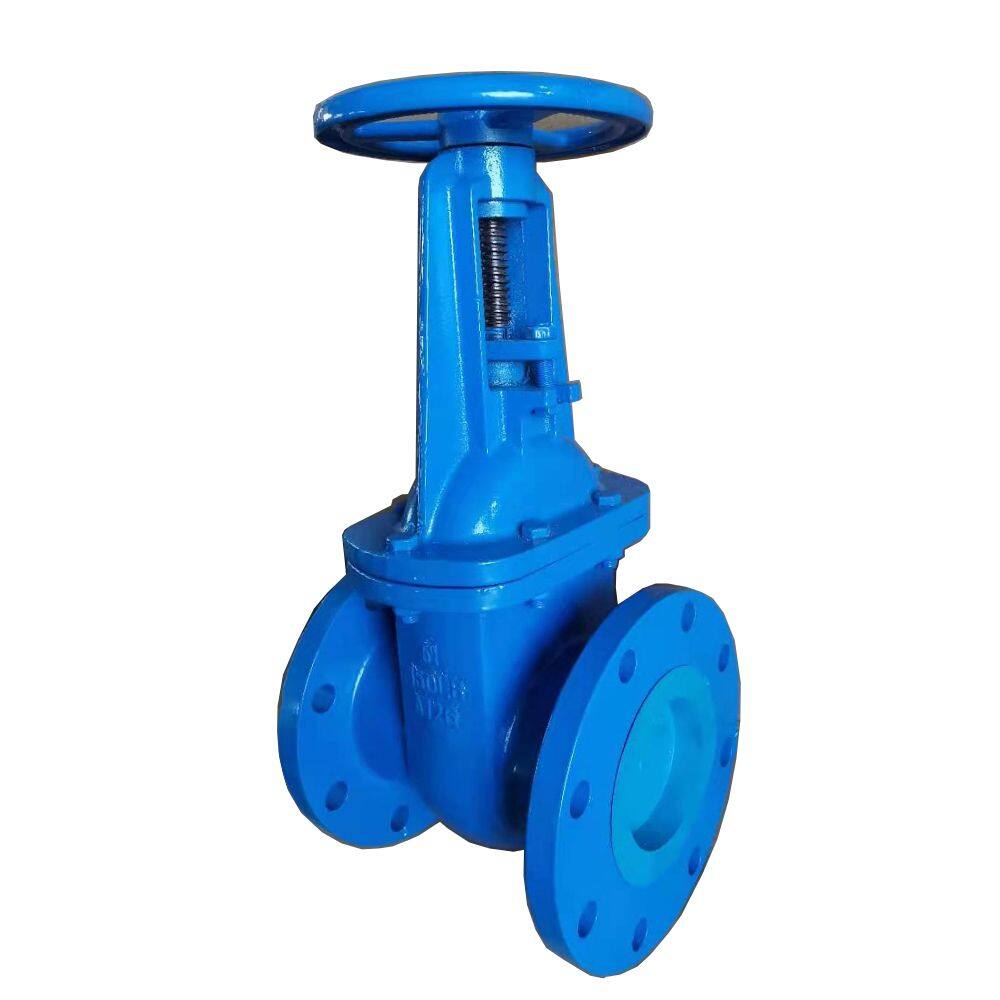
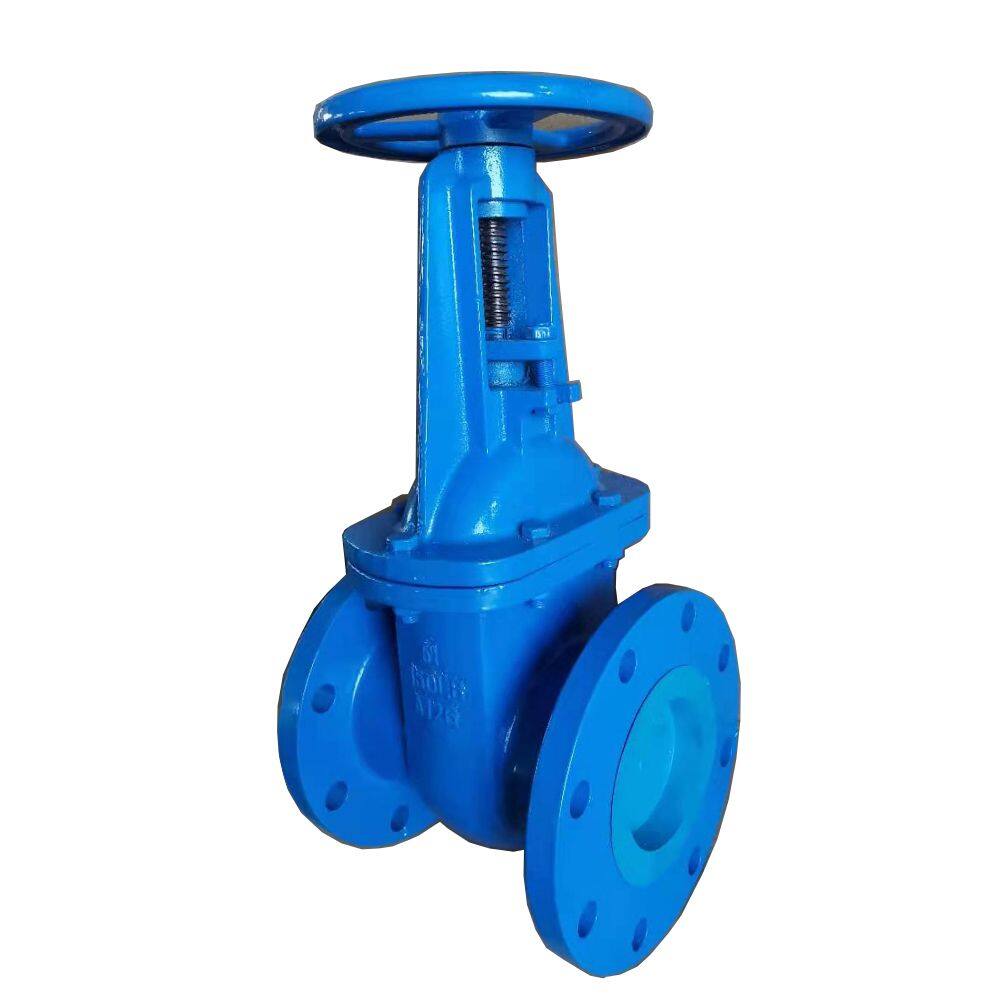
The adjustment of low-pressure valves is primarily accomplished by rotating their control mechanisms. Rotating in a clockwise direction typically increases the output pressure, while rotating in a counterclockwise direction reduces the pressure. The following are the specific steps and precautions for adjustment:
**Safety Precautions Before Adjustment:**
- **Turn off the gas source or fluid supply:** Cut off the supply upstream of the valve to prevent leaks or sudden pressure changes during the adjustment process.
- **Release any remaining pressure:** Open the downstream equipment or valve to allow the remaining pressure in the pipeline to be completely released, avoiding the risk of high-pressure gases or liquids causing accidents.
- **Check the valve’s condition:** Ensure that the valve and its connecting parts are not damaged and there are no leaks. Verify that the control mechanism (such as the knob or screws) can be operated properly.
**Specific Steps for Adjusting the Pressure of a Low-Pressure Valve:**
1. **Set the initial pressure:** Rotate the control mechanism (knob, bolt) in a counterclockwise direction to the lowest pressure position, using this as the starting point for adjustment.
2. **Open the gas source/fluid supply gradually:** Slowly open the upstream valve to allow the medium to flow into the valve gradually, preventing sudden pressure increases that could damage the equipment.
3. **Monitor and adjust the pressure:** Use a pressure gauge to monitor the output pressure.
4. **Increase or decrease the pressure as needed:** Rotate the control mechanism in a clockwise direction to increase the pressure, and in a counterclockwise direction to decrease it.
5. **After each small adjustment, wait for the pressure to stabilize (about 1–2 minutes) before making further fine-tuning adjustments until the desired pressure is reached.
6. **Lock the control mechanism:** Once the set pressure is reached, if the valve is equipped with a locking nut or cover, tighten it to prevent accidental changes in pressure.

**Inspections and Maintenance After Adjustment:**
- **Stability test:** Let the valve operate for a period of time to check if the pressure remains stable. If there are significant fluctuations, readjust the valve or check for any malfunctions.
- **Leak detection:** Apply soapy water to the valve connections and look for bubbles to ensure there are no leaks.
- **Regular maintenance:** Regularly clean the inside of the valve to remove impurities, and inspect the condition of springs, seals, and other components to ensure long-term stable operation.
Tags: valve
 Business License