

- Chengxin Valve Co., Ltd.
-
 1YrXingtai, Hebei, China
 - Main Products: Gate valve, Butterfly valve, Globe valve, Check valve
-
 LI
Hi there! Welcome to my shop. Let me know if you have any questions.
LI
Hi there! Welcome to my shop. Let me know if you have any questions.
Your message has exceeded the limit.
Differences between low-pressure valves and high-pressure valves
2025-12-08 15:46:14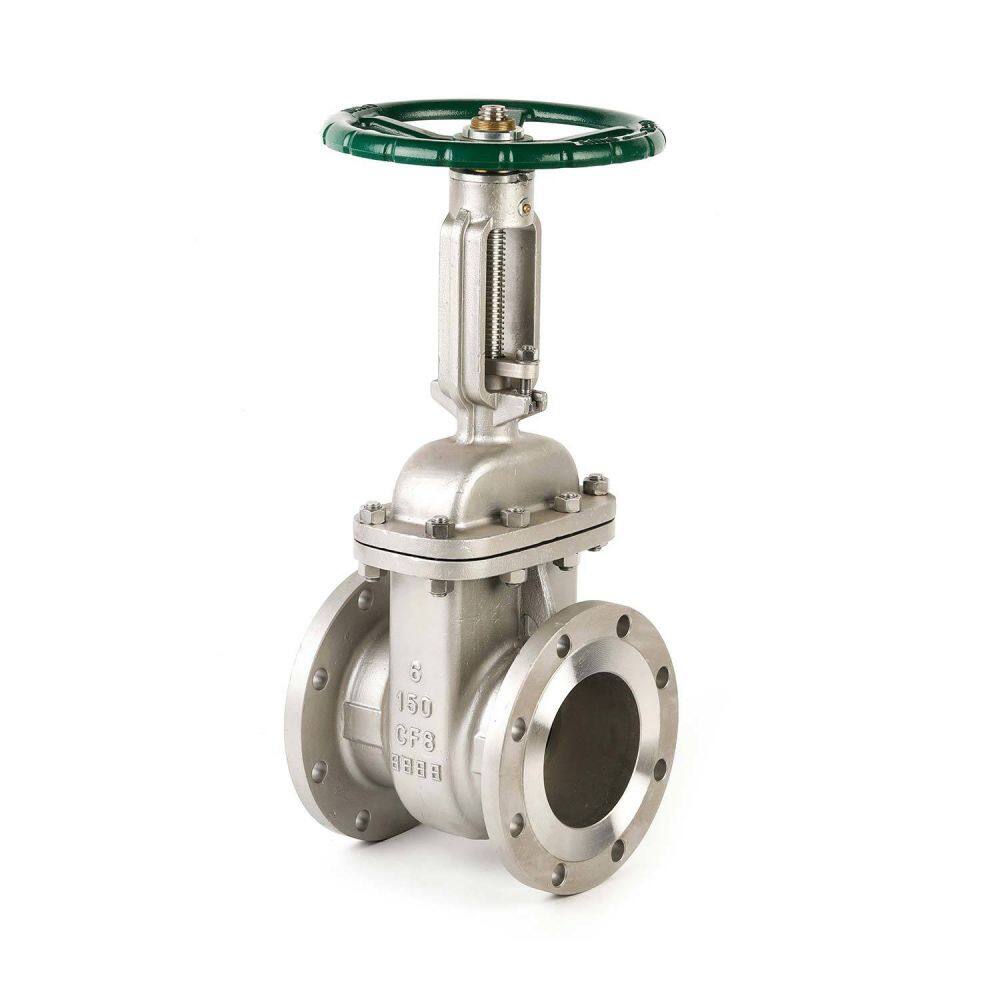
The key differences between low-pressure valves and high-pressure valves lie in their operating pressure ranges, application scenarios, structural designs, and safety performance. When selecting one, it is essential to match it according to actual needs.
**Pressure Range and Flow Characteristics:**
- **High-pressure valves:** Have a nominal pressure range of PN10.0 to 80.0 MPa (approximately 9.81 to 78.48 MPa). They generate high output pressures and large flow rates, and the pressure can be precisely controlled through adjustment mechanisms such as needle valves.
- **Low-pressure valves:** Have a nominal pressure of PN ≤ 1.6 MPa. They produce low output pressures and small flow rates. The pressure is usually fixed or only slightly adjustable, making them suitable for stable low-pressure environments.
**Application Scenarios:**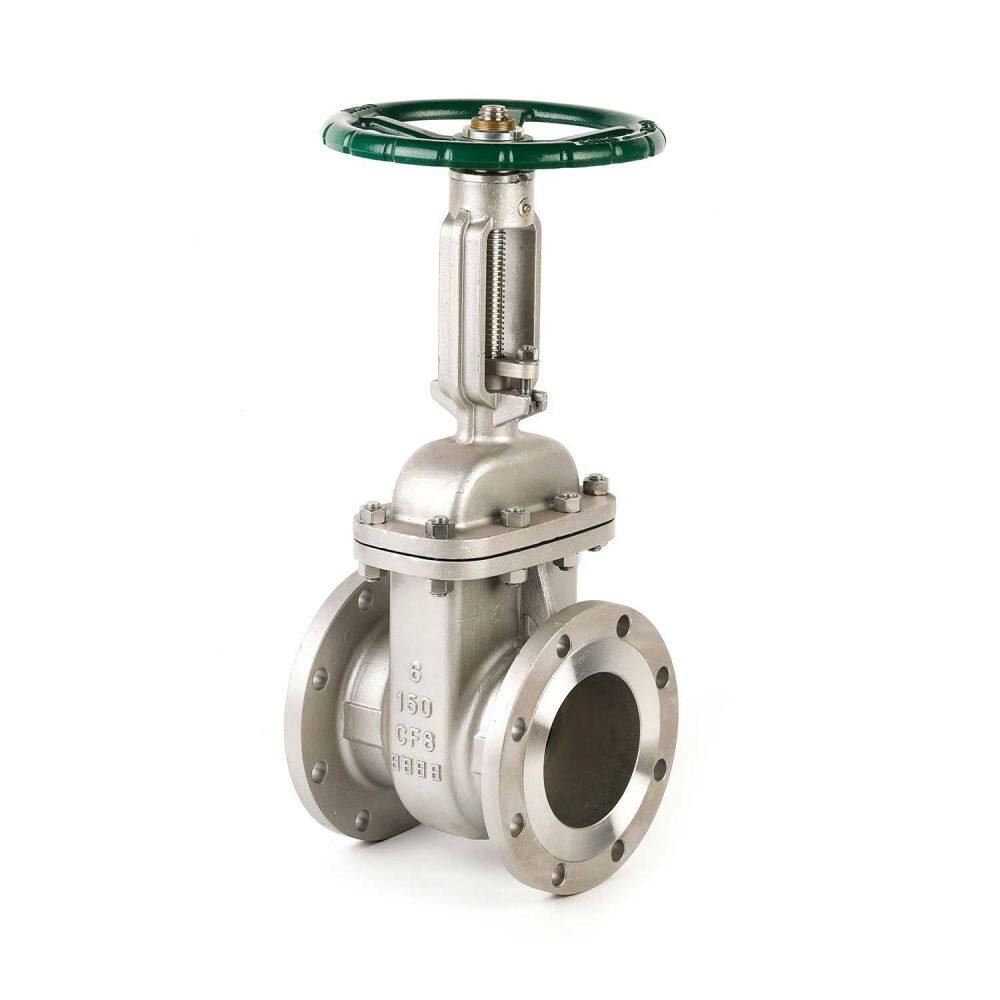
- **High-pressure valves:** Are used in industrial high-pressure applications such as thermal power generation, petrochemical industries, and the production of superhard materials, where they must withstand extreme pressures.
- **Low-pressure valves:** Are commonly found in household or small commercial settings, such as in household appliances like gas stoves and water heaters.
**Structural and Design Differences:**
- **High-pressure valves:** Have a more complex structure. They feature thickened valve bodies, self-tightening seals, wedge-shaped valve discs, and other designs to enhance their pressure resistance and sealing performance. High-hardness alloys are often used in their construction.
- **Low-pressure valves:** Have a relatively simpler structure and are smaller in size. The range of adjustment components (such as knobs) is limited, and cost-effectiveness and ease of use are given priority in their design.
Tags: high-pressure valves
 Business License