
 Business License
Problems encountered in the use of butterfly valves
1. Since the multi-layered soft and hard composite seal ring is fixed on the valve plate, when the valve plate is in the normally open position, the medium exerts direct erosion on its sealing surface. This erosion of the soft seal strip in the metal sheet interlayer directly affects the sealing performance.
2. Due to structural limitations, this design is not suitable for valves with a diameter of DN200 or smaller. The reason is that the overall structure of the valve plate is too thick, resulting in high flow resistance.
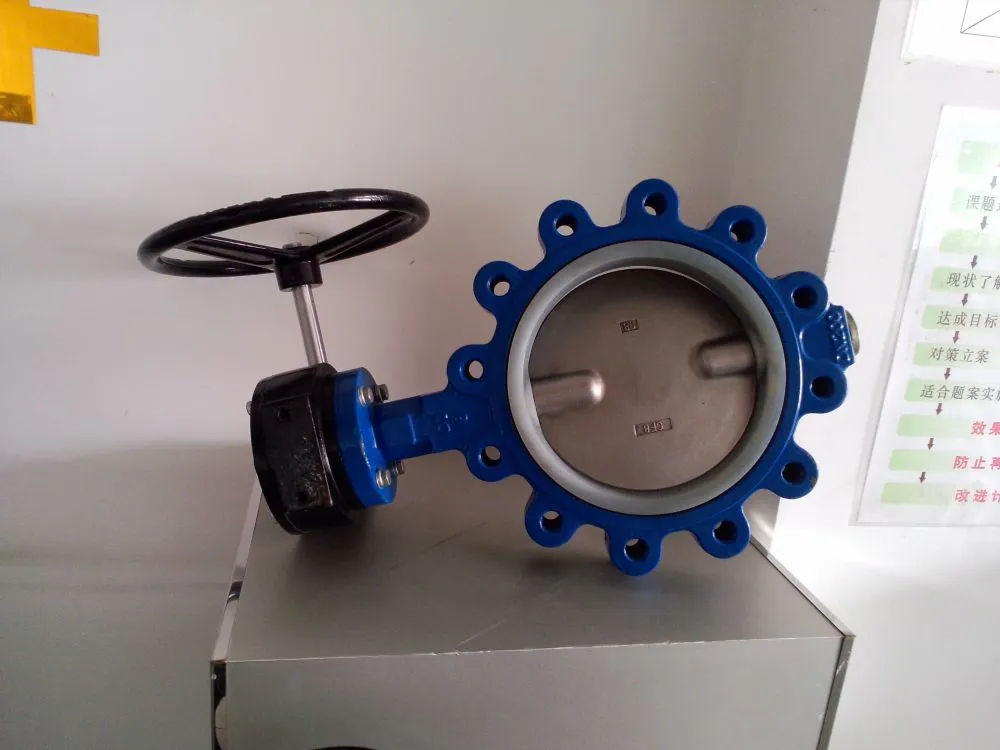
3. According to the principle of the triple-eccentric structure, the seal between the valve plate’s sealing surface and the valve seat is maintained by the torque generated by the drive mechanism, which presses the valve plate against the valve seat. During forward flow, the higher the medium pressure, the tighter the seal. However, when the medium flows in reverse, if the unit normal pressure between the valve plate and the valve seat becomes less than the medium pressure, leakage occurs.
The high-performance triple-eccentric double-direction hard-sealed butterfly valve is characterized in that the valve seat seal ring consists of multiple layers of stainless steel sheets on both sides of a flexible T-shaped seal ring. The sealing surfaces of the valve plate and the valve seat are conical in shape, with temperature- and corrosion-resistant alloy materials welded onto the conical surface of the valve plate. The spring fixed between the adjusting ring and the pressure plate is assembled together with the adjusting bolts on the pressure plate.
This structure effectively compensates for the tolerance between the shaft sleeve and the valve body, as well as the elastic deformation of the valve stem under medium pressure. It solves the sealing problems that occur during the bidirectional transfer of media. The use of multiple layers of stainless steel sheets on both sides of the flexible T-shaped seal ring provides the advantages of both metal hard sealing and soft sealing. It ensures zero leakage sealing performance at both low and high temperatures.
Tests have shown that during forward flow (when the direction of medium flow is the same as the rotation direction of the butterfly plate), the pressure on the sealing surface is caused by the torque of the drive mechanism and the medium pressure acting on the valve plate. As the forward medium pressure increases, the conical surface of the valve plate presses more tightly against the valve seat, resulting in better sealing performance. During reverse flow, the seal between the valve plate and the valve seat is maintained by the torque of the drive mechanism. As the reverse medium pressure increases, if the unit normal pressure between the valve plate and the valve seat becomes less than the medium pressure, the stored elastic energy of the spring in the adjusting ring compensates for the pressure between the valve plate and the valve seat, providing automatic compensation. Therefore, unlike existing technologies that install multi-layered soft and hard seal rings on the valve plate, this new design installs them directly on the valve body. Adding an adjusting ring between the pressure plate and the valve seat is an ideal way to achieve double-direction hard sealing. It has the potential to replace gate valves, globe valves, and ball valves.
Recently Posted
-
Installation precautions for check valves
August 26, 2026Installation precautions for check valves:1. Do not let check valves bear weight in the pipeline system. Large check valves should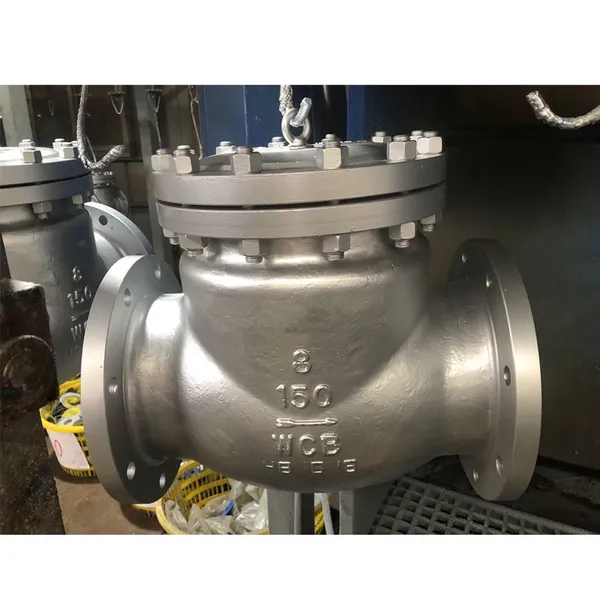 Read More
 -
The purpose of check valve
August 26, 2026Butterfly double valve check valve is suitable for high-rise building water supply pipelines, pipelines with certain chemical corr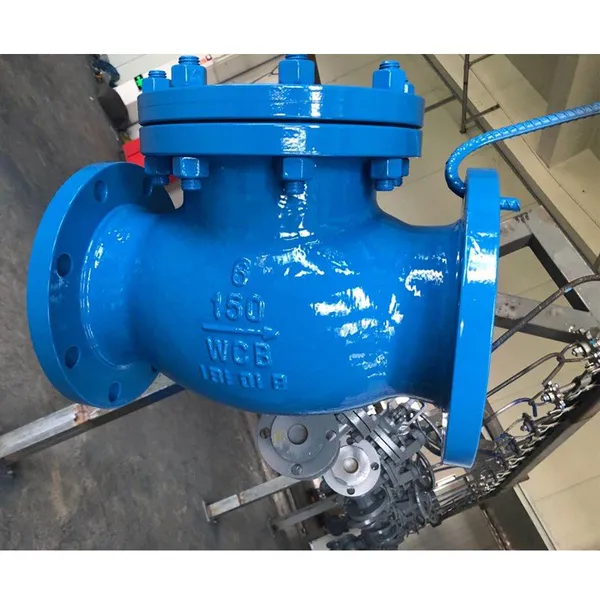 Read More
 -
Process Design of Check Valve
August 26, 2026Process Design of Check Valve:(1) Quality Control of the Main Body Rough Material All components of this valve are forged pi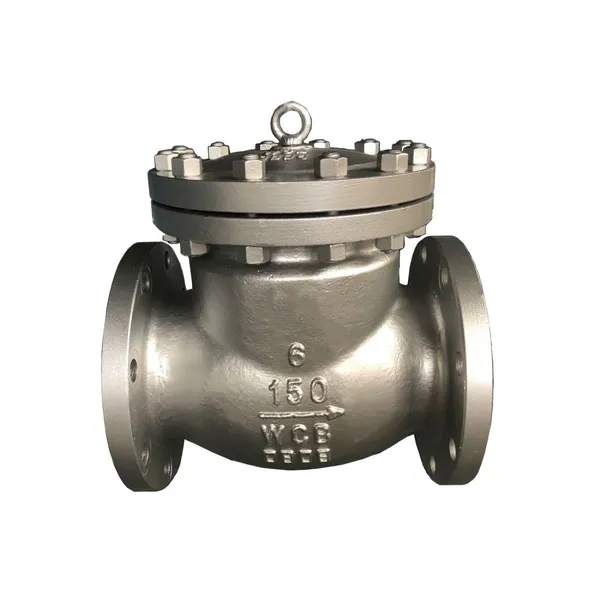 Read More
 -
Check valve selection standard 2
August 25, 2026Check valve selection standard:Diaphragm check valve is suitable for pipelines prone to water hammer. Diaphragm can well eliminate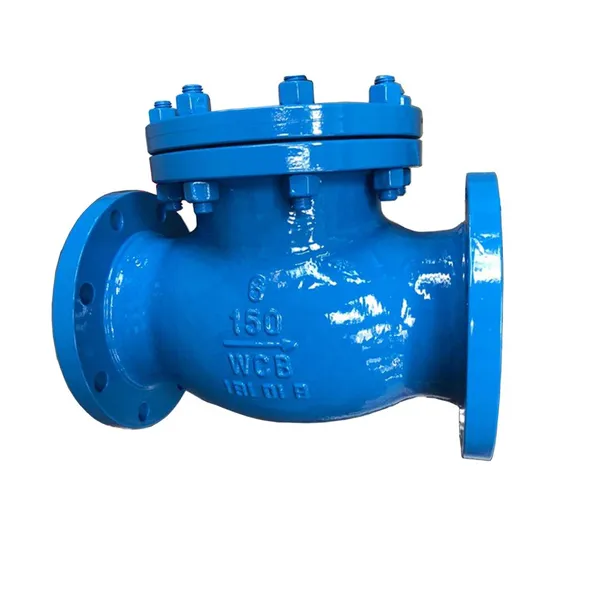 Read More

Contact Us
Recommended Products
-
 ANSI Class 150 Lug/Wafer Butterfly Valve ASTM A126B Body API 609 Design ASME B16.42 Flange Industrial Pipeline Valve Manual/Worm/Electric OperatedUS$ 50 - 100MOQ: 9 Pieces
 -
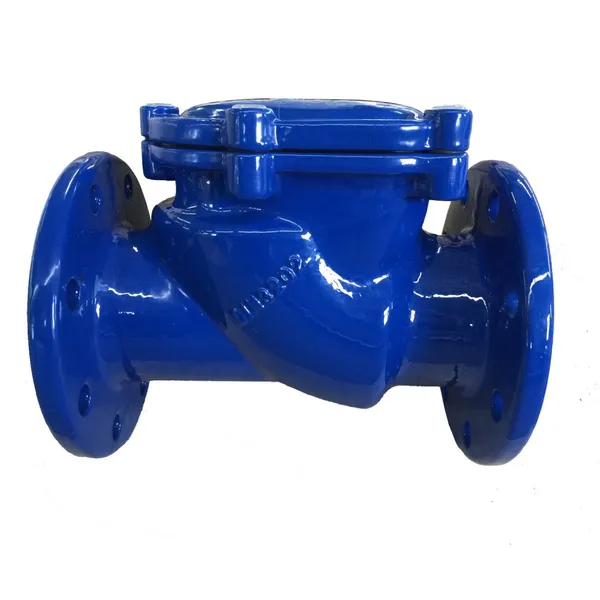
Certified DIN Swing Check Valve Meeting DIN3356 and ISO5208 Standards for Safe and Efficient OperationNegotiableMOQ: 1 Unit
-
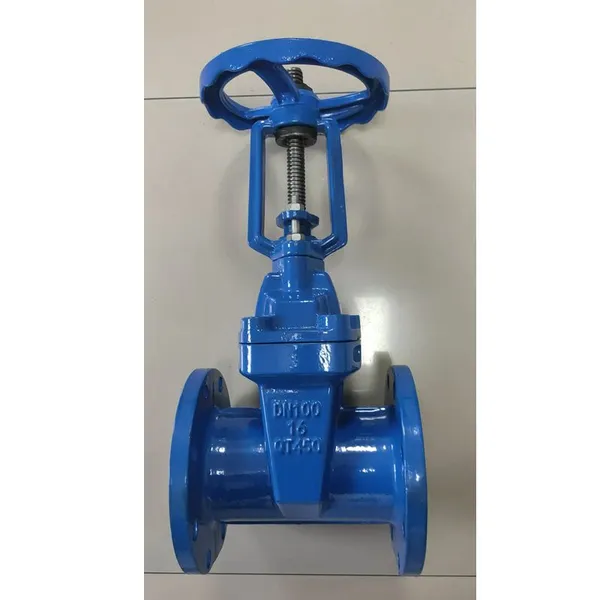
Made in China 150LB, 300LB, 600LB, 900LB BS Non- Rising Gate ValveNegotiableMOQ: 1 Piece
-
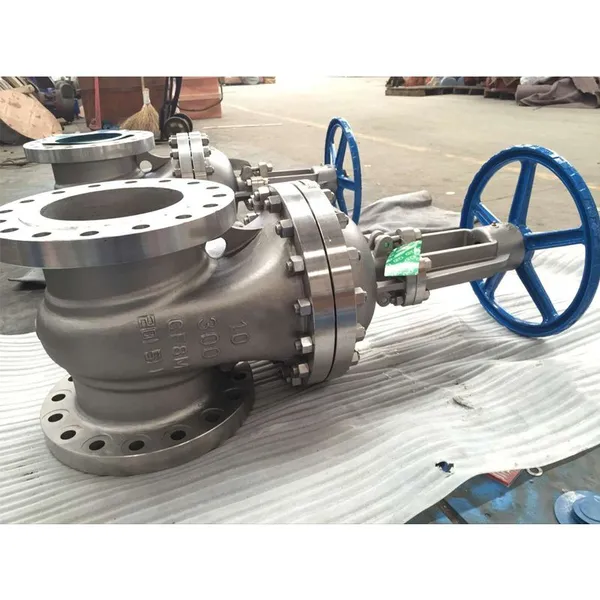
ANSI Stainless Steel Gate Valve API600 DN40–DN600 150LB–900LB Industrial Valve Flanged Gate Valve for Oil Gas WaterUS$ 50 - 1000MOQ: 1 Piece
-
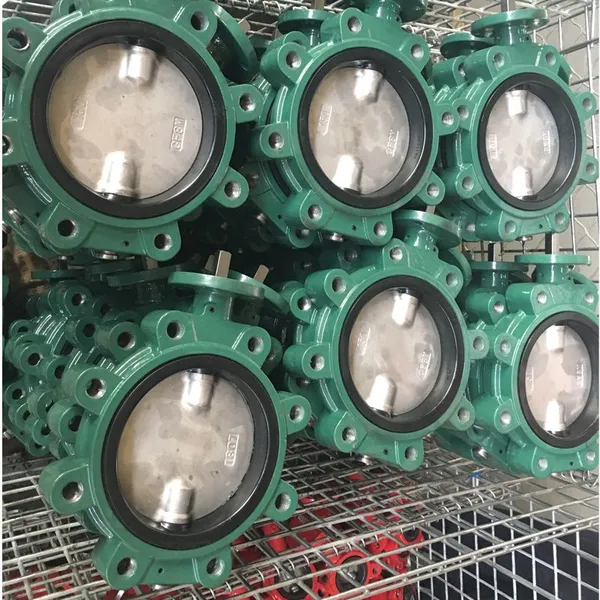
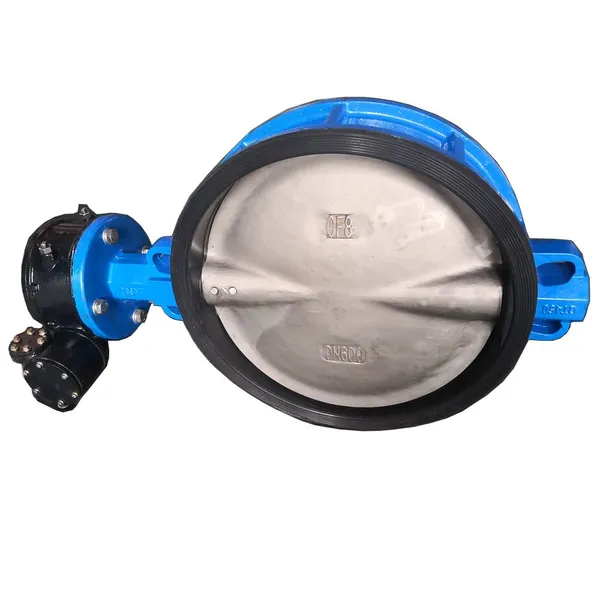
4" PN10 PN16 Butterfly Valve Flange BS Butterfly ValveNegotiableMOQ: 1 Piece
-
ANSI Cast Steel Gate Valve API 600/6D Standard 1/2"-40" DN15-DN1000 150LB-900LB WCB/CF8/CF8M Body Flanged End ASME B16.25 TestedUS$ 50 - 700MOQ: 1 Piece
-
API Swing Check Valve BS 1868 Standard 2"-24" DN40-DN600 150LB-600LB ASTM A216 WCB Body Flanged End API 598 Tested Non-Return ValveUS$ 50 - 700MOQ: 1 Piece
-
Made in China DN40~DN1000 DIN Butterfly Valve With PinNegotiableMOQ: 1 Piece
-
900LB API 600 Gate Valve ASME B16.34 2"-12" Flanged/Welded End MSS SP-61 Tested Factory DirectUS$ 100 - 1000MOQ: 1 Piece
-
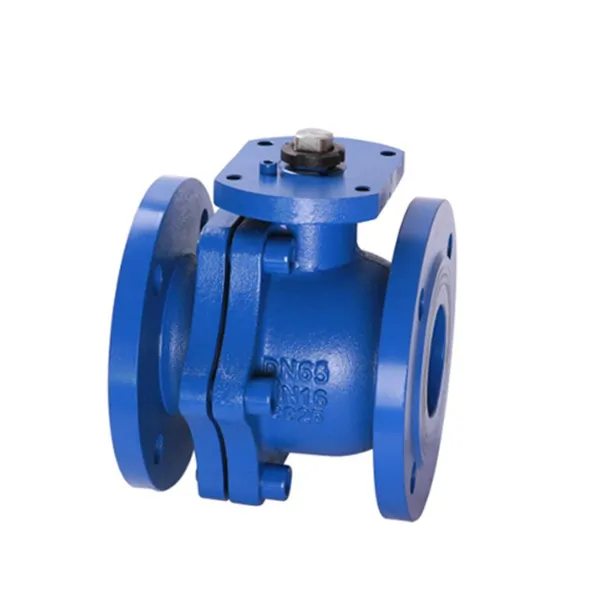
DN100 Cast Iron DIN Ball Valve PN16 Reliability ValveNegotiableMOQ: 1 Piece
-
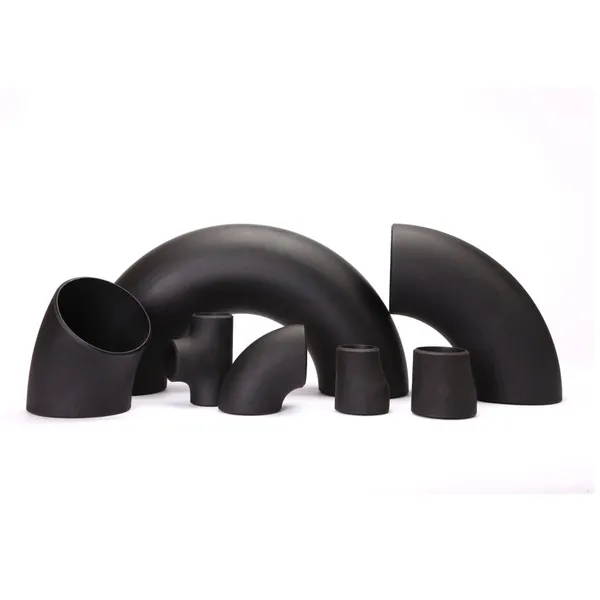
API ANSI B16.9/ASTM A234 Wp11 Lr 45/90 Degree DN200 Seamless Steel Pipe Fitting Forged Stainless Steel Seamless ElbowNegotiableMOQ: 1 Piece
-
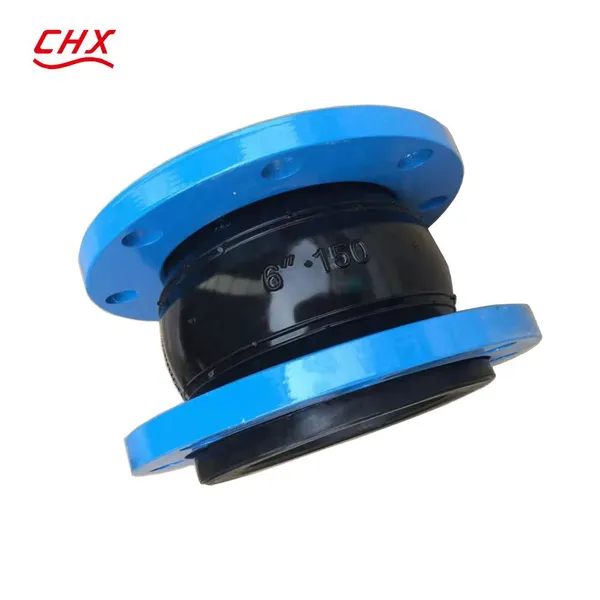
Universal Joints Single Sphere Carbon Steel Flexible Rubber Epdm Joint Expantion Reduction JointNegotiableMOQ: 1 Piece
-
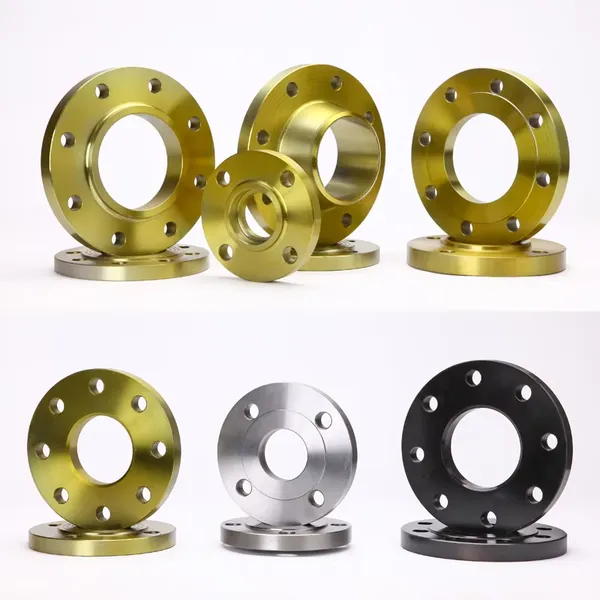
ANSI B16.5 Inlet Flange Forged Carbon/Stainless Steel Flanges Blind FlangeUS$ 39MOQ: 1 Piece
-
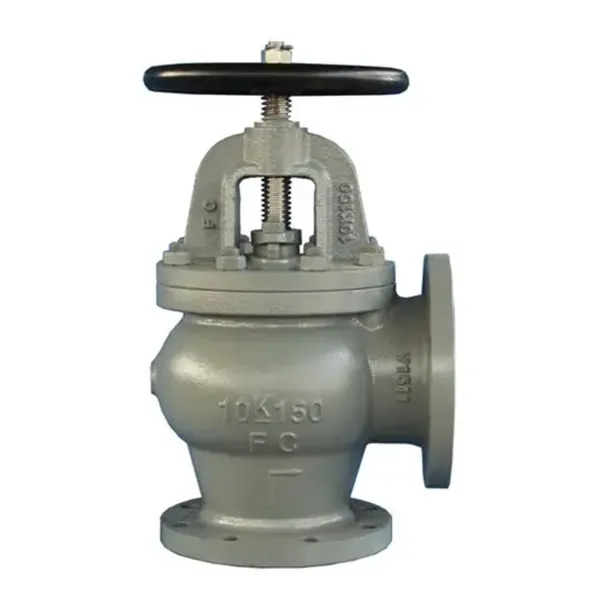
JIS Standard 5K Marine Valves JIS F7376 Cast Iron Cast Steel 10K Angle Check Valves Globe ValveUS$ 580.61 - 683.06MOQ: 1 Unit
-
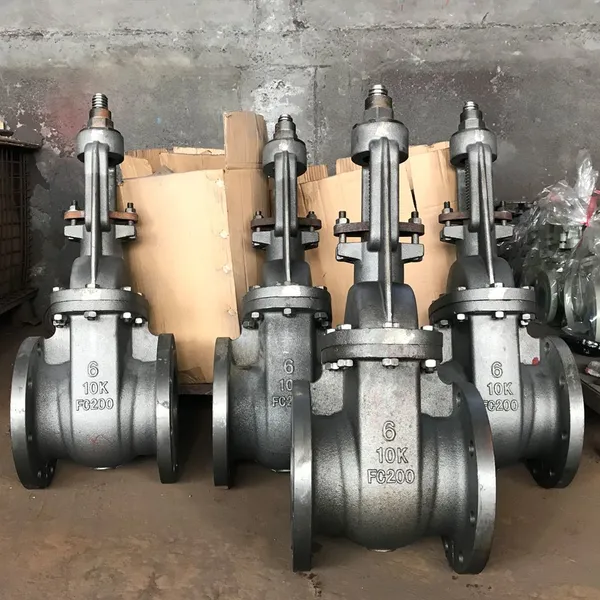
ANSI Rising Stem Gate Valve Cast Iron Flanged Gate Valve 125LB/150LB MSS SP-70 API 598 DN50-DN1000 Flanged End Petroleum/Chemical IndustryUS$ 35 - 79MOQ: 1 Piece
-
ANSI/JIS DN80 3 Inch Ductile Iron Water Knife Gate Valve Wafer/Flange/Lug Type SS Plate Knife Gate ValveUS$ 551.73 - 689.66MOQ: 1 Piece
-
API 900lb Forged Steel High Quality Stainless Steel SS 316 F304L F22 Flange Type Bolt Bonnet Gate ValveUS$ 207.04 - 690.13MOQ: 1 Unit
-
DIN3352 Square Nut DN200 Ductile Iron GGG40 Double Socket End Gate Valve Used for PVC Pipes Swing Check ValveUS$ 138.03 - 345.07MOQ: 1 Unit
-
GOST GB Standard PN16 DN200 Rising Stem Ss321 GOST Electric Actuator Gate ValveUS$ 551.73 - 1379.32MOQ: 1 Unit
-
ANSI Cast Steel Globe Valve API 600/6D Standard 1/2"-24" (DN15-DN600) 150LB-900LB ASTM A216 WCB Body Flanged End Industrial Flow ControlUS$ 50 - 700MOQ: 1 Piece