
 Business License
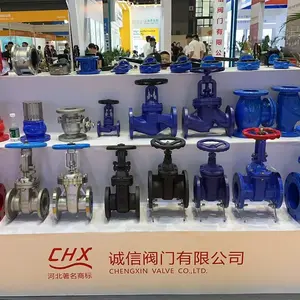
The working principle of the micro-resistance slow-closing butterfly check valve
The micro-resistance slow-closing butterfly check valve mainly consists of a valve body, two semi-circular valve discs, a return spring, an oil storage cylinder, a slow-closing small cylinder assembly, and a needle valve (for fine adjustment). Its principle relies on the thrust of the incoming medium to smoothly push open the two valve discs. At the same time, the pressurized medium from the inlet enters the lower part of the piston in the oil cylinder, pushing the piston upward. This causes the oil above the piston to be forced through the needle valve into the ends of the small cylinders on both sides of the valve body, causing the piston rods inside the small cylinders to extend. When the pressure of the incoming medium drops below that of the outlet, the medium begins to flow back. Under the action of the spring and the returning medium, the valve discs automatically close. However, since the piston rod is in an extended position, it prevents the valve discs from closing completely, allowing about 20% of the area to remain open for the medium to pass through. This helps to eliminate water hammer effects. The valve discs are closed in two stages: first quickly, then slowly, which not only prevents the motor from reversing but also helps to reduce noise.
Recently Posted
-
Installation precautions for check valves
August 26, 2026Installation precautions for check valves:1. Do not let check valves bear weight in the pipeline system. Large check valves should Read More
 -
The purpose of check valve
August 26, 2026Butterfly double valve check valve is suitable for high-rise building water supply pipelines, pipelines with certain chemical corr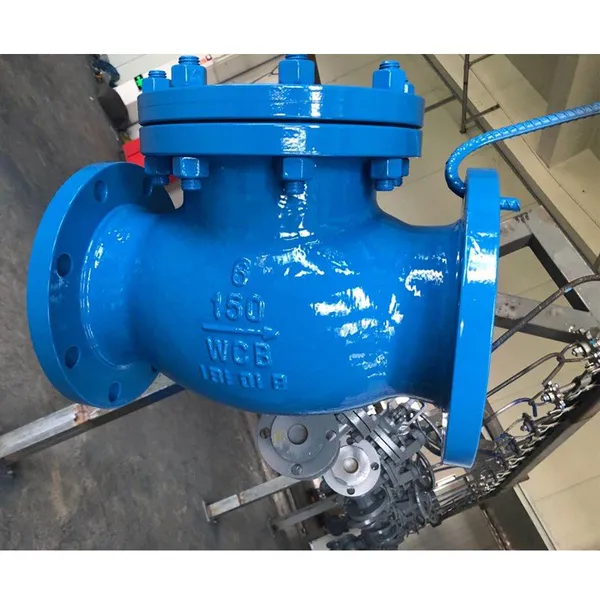 Read More
 -
Process Design of Check Valve
August 26, 2026Process Design of Check Valve:(1) Quality Control of the Main Body Rough Material All components of this valve are forged pi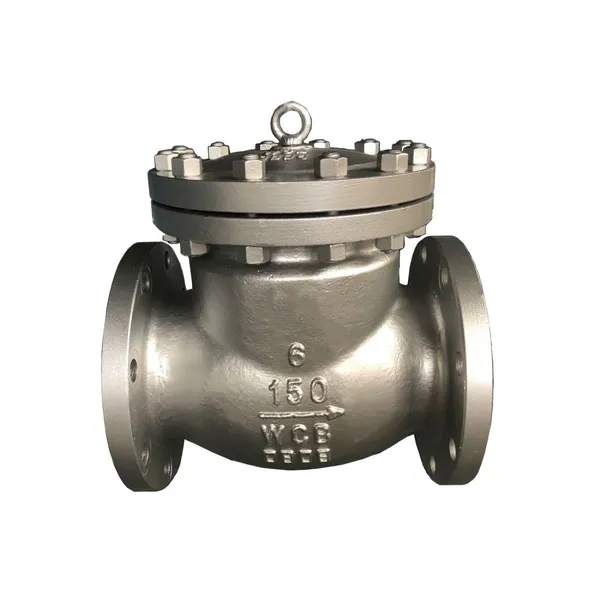 Read More
 -
Check valve selection standard 2
August 25, 2026Check valve selection standard:Diaphragm check valve is suitable for pipelines prone to water hammer. Diaphragm can well eliminate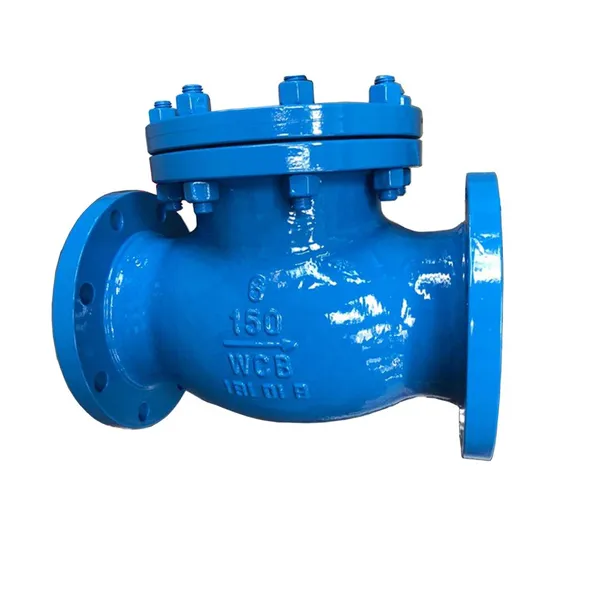 Read More

Contact Us
Recommended Products
-
 ANSI Class 150 Lug/Wafer Butterfly Valve ASTM A126B Body API 609 Design ASME B16.42 Flange Industrial Pipeline Valve Manual/Worm/Electric OperatedUS$ 50 - 100MOQ: 9 Pieces
 -
Certified DIN Swing Check Valve Meeting DIN3356 and ISO5208 Standards for Safe and Efficient OperationNegotiableMOQ: 1 Unit
-
Made in China 150LB, 300LB, 600LB, 900LB BS Non- Rising Gate ValveNegotiableMOQ: 1 Piece
-
ANSI Stainless Steel Gate Valve API600 DN40–DN600 150LB–900LB Industrial Valve Flanged Gate Valve for Oil Gas WaterUS$ 50 - 1000MOQ: 1 Piece
-
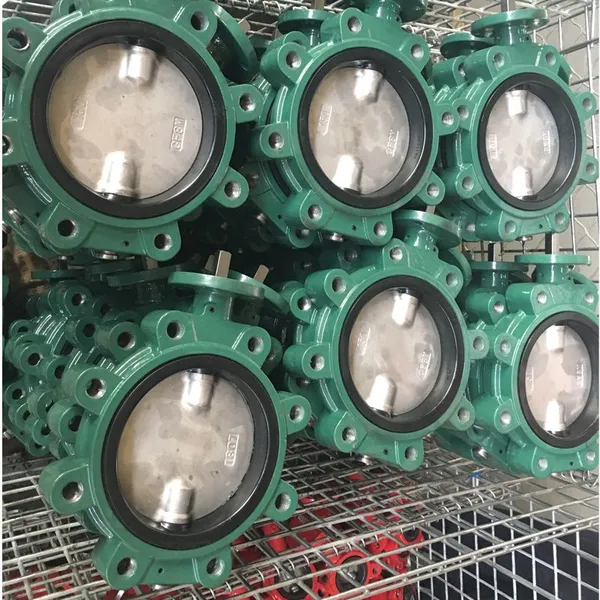
4" PN10 PN16 Butterfly Valve Flange BS Butterfly ValveNegotiableMOQ: 1 Piece
-
ANSI Cast Steel Gate Valve API 600/6D Standard 1/2"-40" DN15-DN1000 150LB-900LB WCB/CF8/CF8M Body Flanged End ASME B16.25 TestedUS$ 50 - 700MOQ: 1 Piece
-
API Swing Check Valve BS 1868 Standard 2"-24" DN40-DN600 150LB-600LB ASTM A216 WCB Body Flanged End API 598 Tested Non-Return ValveUS$ 50 - 700MOQ: 1 Piece
-
Made in China DN40~DN1000 DIN Butterfly Valve With PinNegotiableMOQ: 1 Piece
-
900LB API 600 Gate Valve ASME B16.34 2"-12" Flanged/Welded End MSS SP-61 Tested Factory DirectUS$ 100 - 1000MOQ: 1 Piece
-
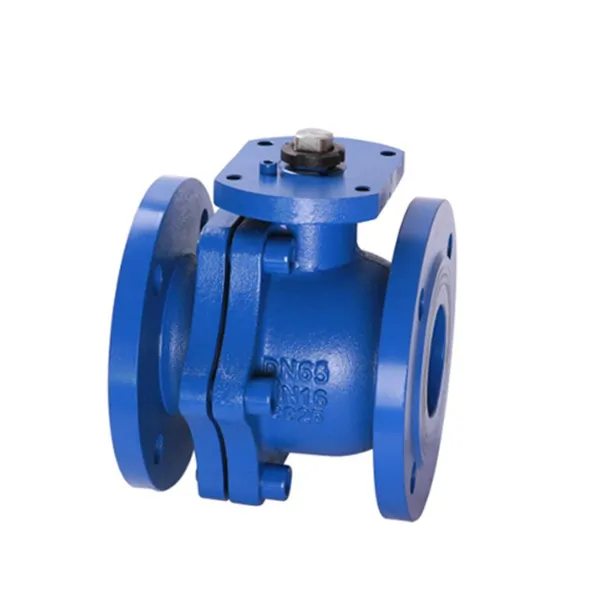
DN100 Cast Iron DIN Ball Valve PN16 Reliability ValveNegotiableMOQ: 1 Piece
-
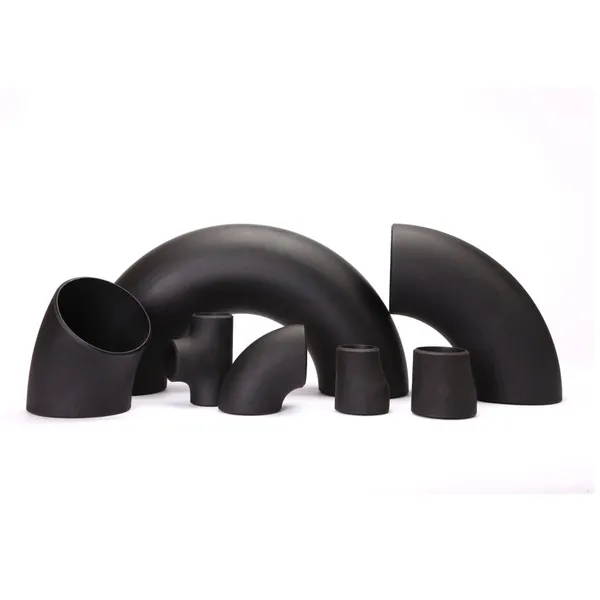
API ANSI B16.9/ASTM A234 Wp11 Lr 45/90 Degree DN200 Seamless Steel Pipe Fitting Forged Stainless Steel Seamless ElbowNegotiableMOQ: 1 Piece
-
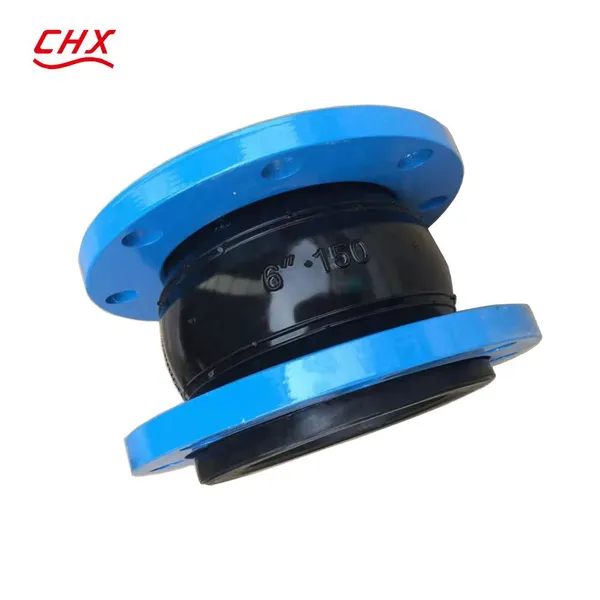
Universal Joints Single Sphere Carbon Steel Flexible Rubber Epdm Joint Expantion Reduction JointNegotiableMOQ: 1 Piece
-
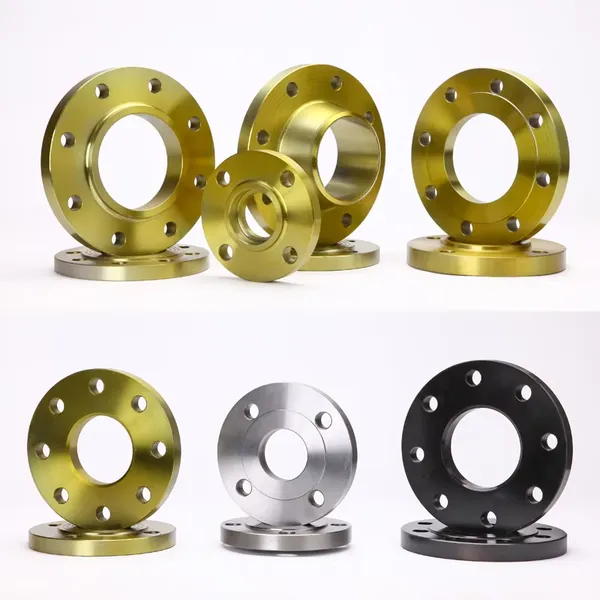
ANSI B16.5 Inlet Flange Forged Carbon/Stainless Steel Flanges Blind FlangeUS$ 39MOQ: 1 Piece
-
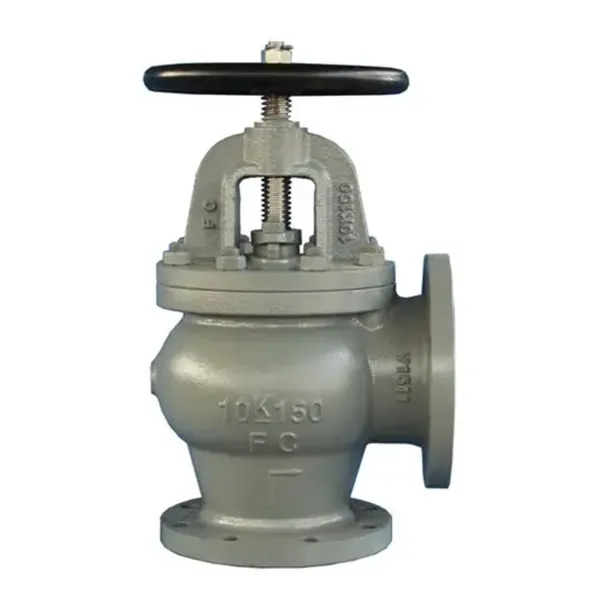
JIS Standard 5K Marine Valves JIS F7376 Cast Iron Cast Steel 10K Angle Check Valves Globe ValveUS$ 580.61 - 683.06MOQ: 1 Unit
-
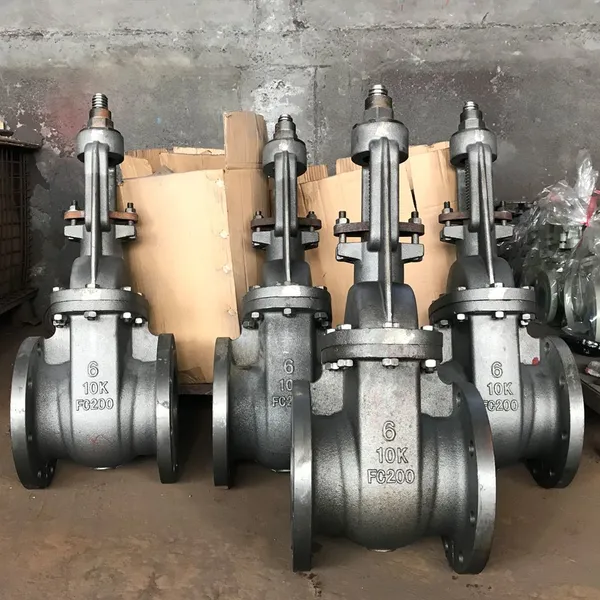
ANSI Rising Stem Gate Valve Cast Iron Flanged Gate Valve 125LB/150LB MSS SP-70 API 598 DN50-DN1000 Flanged End Petroleum/Chemical IndustryUS$ 35 - 79MOQ: 1 Piece
-
ANSI/JIS DN80 3 Inch Ductile Iron Water Knife Gate Valve Wafer/Flange/Lug Type SS Plate Knife Gate ValveUS$ 551.73 - 689.66MOQ: 1 Piece
-
API 900lb Forged Steel High Quality Stainless Steel SS 316 F304L F22 Flange Type Bolt Bonnet Gate ValveUS$ 207.04 - 690.13MOQ: 1 Unit
-
DIN3352 Square Nut DN200 Ductile Iron GGG40 Double Socket End Gate Valve Used for PVC Pipes Swing Check ValveUS$ 138.03 - 345.07MOQ: 1 Unit
-
GOST GB Standard PN16 DN200 Rising Stem Ss321 GOST Electric Actuator Gate ValveUS$ 551.73 - 1379.32MOQ: 1 Unit
-
ANSI Cast Steel Globe Valve API 600/6D Standard 1/2"-24" (DN15-DN600) 150LB-900LB ASTM A216 WCB Body Flanged End Industrial Flow ControlUS$ 50 - 700MOQ: 1 Piece