
 Business License
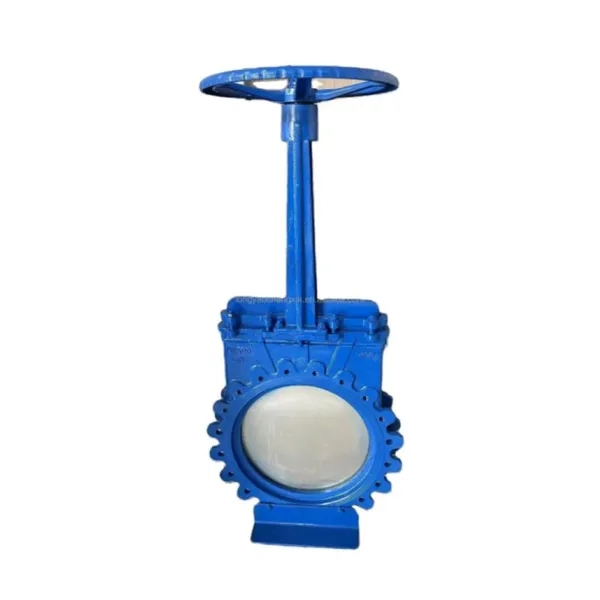
Improvement of slag slurry gate valve structure for throttling
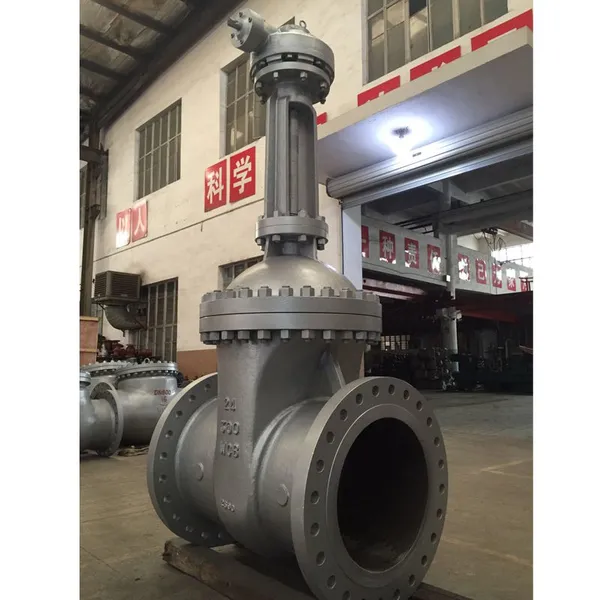
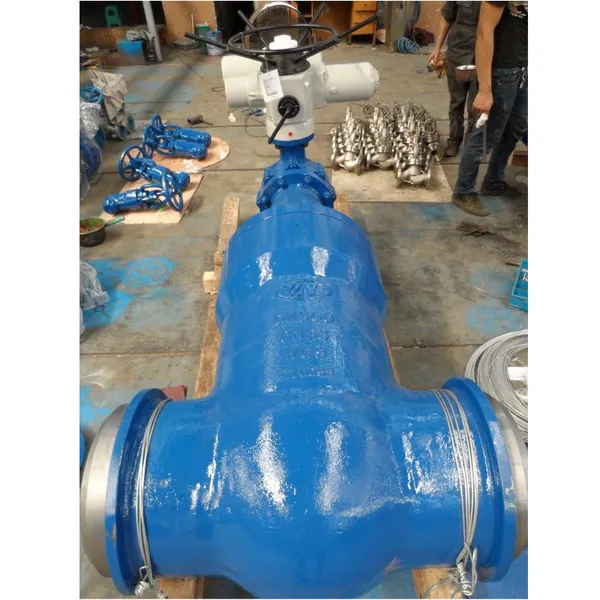
Due to errors in selection calculations and actual pipe network resistance, the slurry pump has a higher flow rate during actual operation. In order to achieve production balance, it is necessary to use gate valves on the outlet pipeline to regulate the flow rate to meet the requirements of the production process. Gate valves can generally only be used for opening and closing shut-off, and can only be used for throttling when the opening degree is less than 40%. When used for throttling in slurry pipelines, the service life is very short. When throttling the gate valve, cavitation and backflow occur, forming a large number of deep grooves and pits in the valve body groove and gate plate, leading to premature failure of the gate valve, increasing maintenance costs, and seriously affecting the stable operation of the production system.
When the slurry passes through the small channel formed by the gate and valve body, the flow area shrinks locally, the flow velocity increases sharply, and the pressure drops sharply. After the instantaneous pressure drops to the vaporization pressure, bubbles will be generated. After throttling, the increased pressure compresses the bubbles, forcing them to rupture and causing damage to the material. At the same time, after passing through the locally contracted small section, the slurry separates from the pipe wall and creates a low-pressure area on the back of the gate, forming backflow. The reflux slurry is mixed with bubbles and slag slurry, and is repeatedly washed in the high-pressure and low-pressure areas, causing serious damage to the back of the gate and the bottom of the valve body groove, especially at the crescent shaped sharp corners formed between the two sides of the gate and the valve body, where the back of the gate is most severely damaged. At the same time, it will also generate noise and vibration.
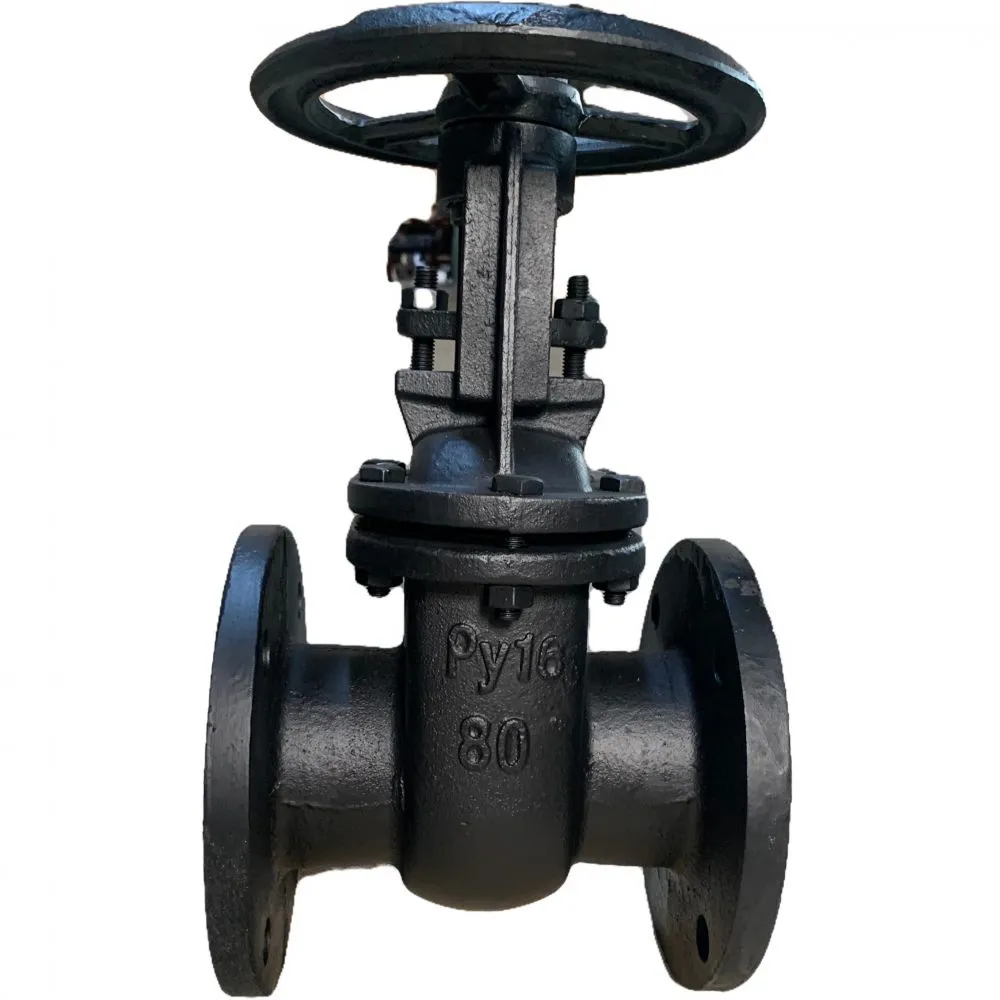
In order to improve the wear resistance of gate valves, an embedded lining structure is adopted, and the lining material can be rubber or wear-resistant alloy. Rubber materials have low cost and good sealing performance, but poor wear resistance, short lifespan, heavy maintenance workload, and inconvenient replacement, resulting in high operating costs. Wear resistant alloy materials have good wear resistance, lower cost than integral forging wear-resistant alloys, and higher cost-effectiveness than rubber. The lining can be replaced, and the valve body can continue to be used for a long time. The lining is made of high chromium wear-resistant alloy with high hardness and wear resistance. After heat treatment, its hardness reaches 58-62HRC, and its wear resistance is good.
In order to reduce the erosion of the gate and valve body groove caused by backflow, a partition is installed in the outlet sleeve. The partition forces the medium to form a secondary diffusion, controlling the large-scale backflow in the area below the partition, reducing the erosion of the backflow on the gate and valve body groove. At the same time, it reduces the pressure drop and lowers the likelihood of cavitation.
Recently Posted
-
Installation precautions for check valves
August 26, 2026Installation precautions for check valves:1. Do not let check valves bear weight in the pipeline system. Large check valves should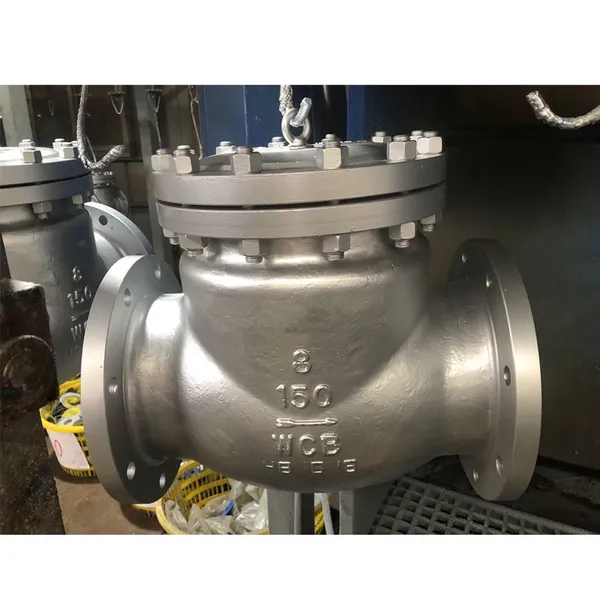 Read More
 -
The purpose of check valve
August 26, 2026Butterfly double valve check valve is suitable for high-rise building water supply pipelines, pipelines with certain chemical corr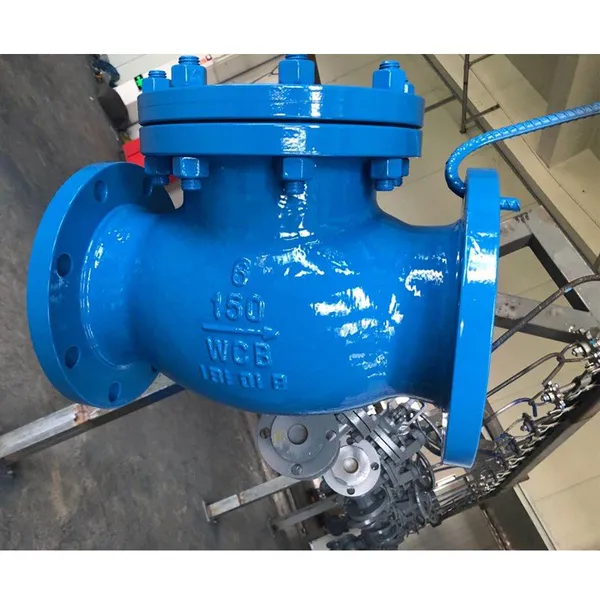 Read More
 -
Process Design of Check Valve
August 26, 2026Process Design of Check Valve:(1) Quality Control of the Main Body Rough Material All components of this valve are forged pi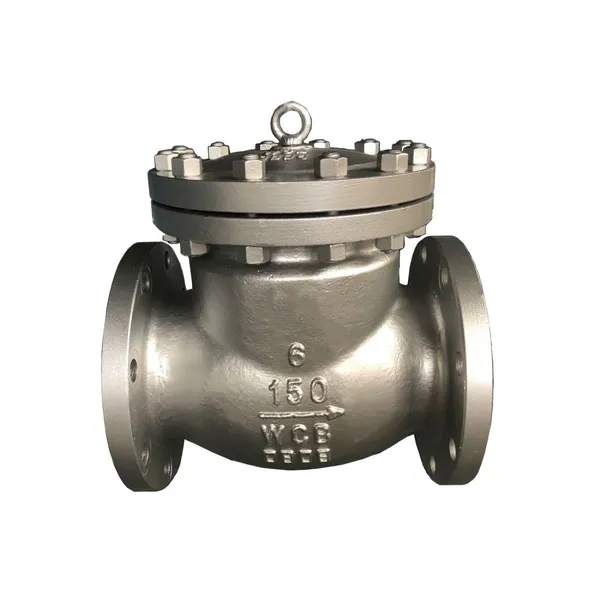 Read More
 -
Check valve selection standard 2
August 25, 2026Check valve selection standard:Diaphragm check valve is suitable for pipelines prone to water hammer. Diaphragm can well eliminate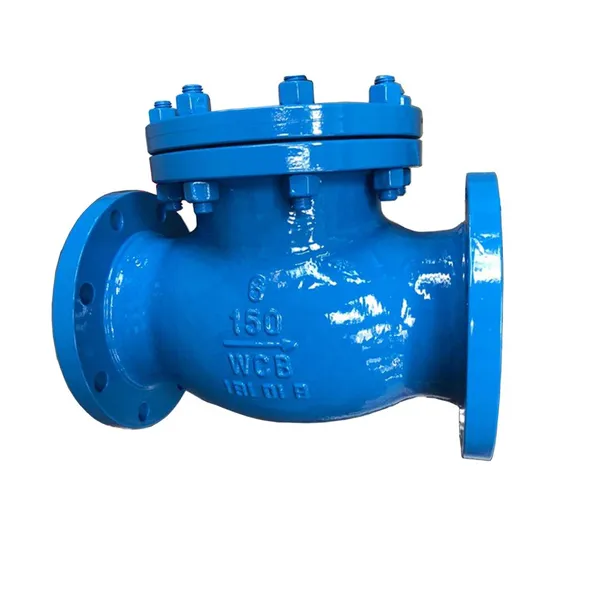 Read More

Contact Us
Recommended Products
-
 ANSI Class 150 Lug/Wafer Butterfly Valve ASTM A126B Body API 609 Design ASME B16.42 Flange Industrial Pipeline Valve Manual/Worm/Electric OperatedUS$ 50 - 100MOQ: 9 Pieces
 -
Certified DIN Swing Check Valve Meeting DIN3356 and ISO5208 Standards for Safe and Efficient OperationNegotiableMOQ: 1 Unit
-
Made in China 150LB, 300LB, 600LB, 900LB BS Non- Rising Gate ValveNegotiableMOQ: 1 Piece
-
ANSI Stainless Steel Gate Valve API600 DN40–DN600 150LB–900LB Industrial Valve Flanged Gate Valve for Oil Gas WaterUS$ 50 - 1000MOQ: 1 Piece
-
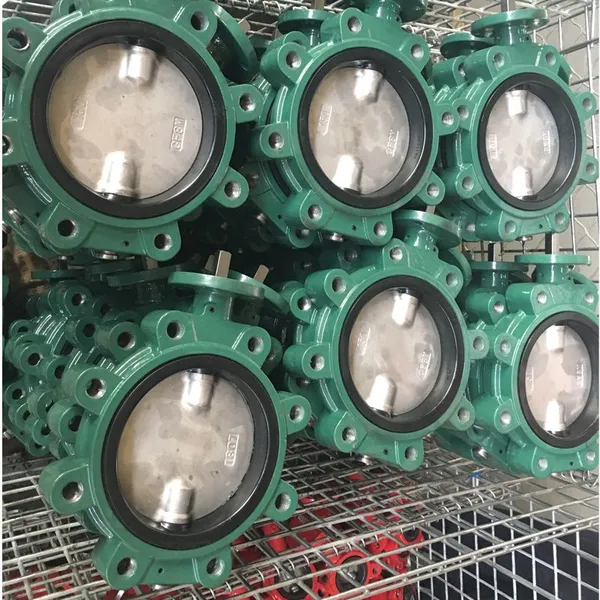
4" PN10 PN16 Butterfly Valve Flange BS Butterfly ValveNegotiableMOQ: 1 Piece
-
ANSI Cast Steel Gate Valve API 600/6D Standard 1/2"-40" DN15-DN1000 150LB-900LB WCB/CF8/CF8M Body Flanged End ASME B16.25 TestedUS$ 50 - 700MOQ: 1 Piece
-
API Swing Check Valve BS 1868 Standard 2"-24" DN40-DN600 150LB-600LB ASTM A216 WCB Body Flanged End API 598 Tested Non-Return ValveUS$ 50 - 700MOQ: 1 Piece
-
Made in China DN40~DN1000 DIN Butterfly Valve With PinNegotiableMOQ: 1 Piece
-
900LB API 600 Gate Valve ASME B16.34 2"-12" Flanged/Welded End MSS SP-61 Tested Factory DirectUS$ 100 - 1000MOQ: 1 Piece
-
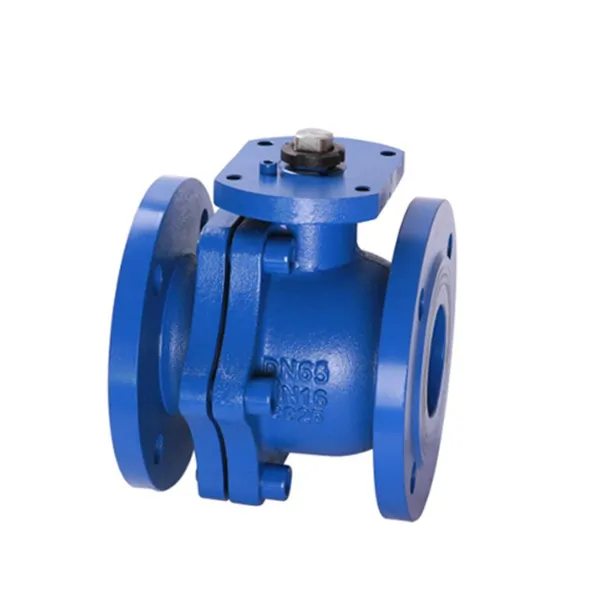
DN100 Cast Iron DIN Ball Valve PN16 Reliability ValveNegotiableMOQ: 1 Piece
-
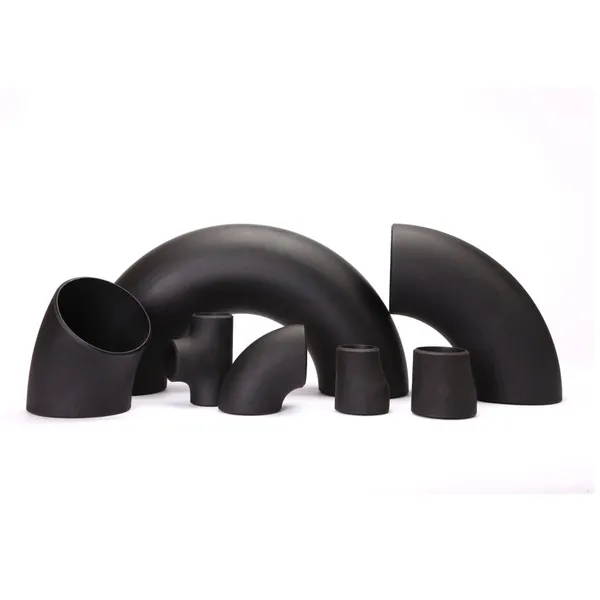
API ANSI B16.9/ASTM A234 Wp11 Lr 45/90 Degree DN200 Seamless Steel Pipe Fitting Forged Stainless Steel Seamless ElbowNegotiableMOQ: 1 Piece
-
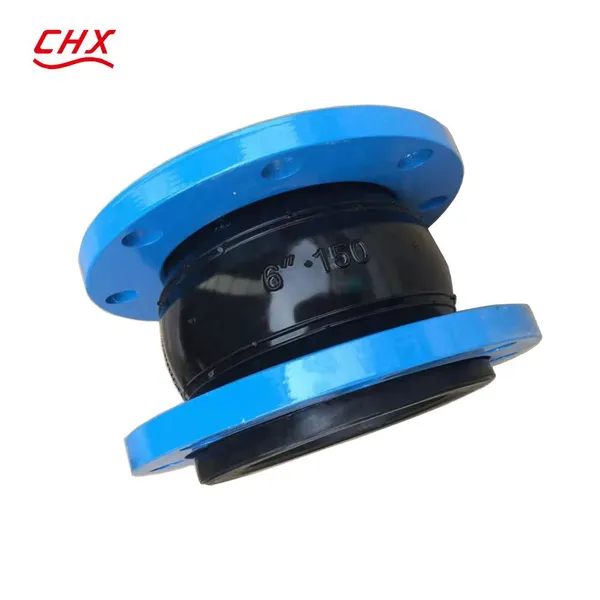
Universal Joints Single Sphere Carbon Steel Flexible Rubber Epdm Joint Expantion Reduction JointNegotiableMOQ: 1 Piece
-
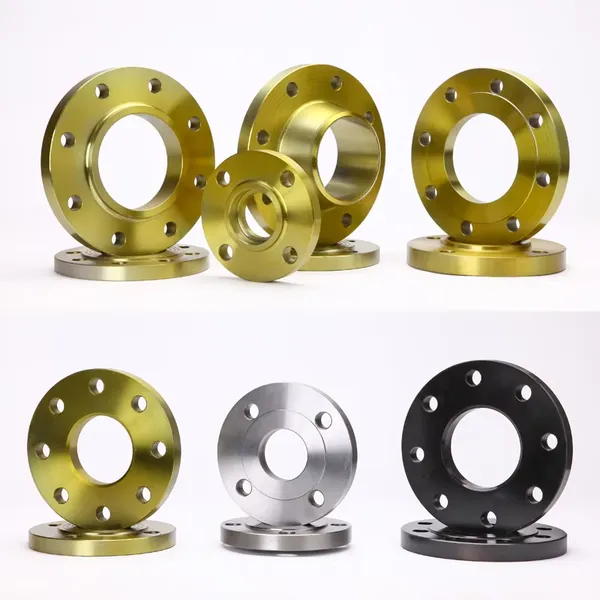
ANSI B16.5 Inlet Flange Forged Carbon/Stainless Steel Flanges Blind FlangeUS$ 39MOQ: 1 Piece
-
JIS Standard 5K Marine Valves JIS F7376 Cast Iron Cast Steel 10K Angle Check Valves Globe ValveUS$ 580.61 - 683.06MOQ: 1 Unit
-
ANSI Rising Stem Gate Valve Cast Iron Flanged Gate Valve 125LB/150LB MSS SP-70 API 598 DN50-DN1000 Flanged End Petroleum/Chemical IndustryUS$ 35 - 79MOQ: 1 Piece
-
ANSI/JIS DN80 3 Inch Ductile Iron Water Knife Gate Valve Wafer/Flange/Lug Type SS Plate Knife Gate ValveUS$ 551.73 - 689.66MOQ: 1 Piece
-
API 900lb Forged Steel High Quality Stainless Steel SS 316 F304L F22 Flange Type Bolt Bonnet Gate ValveUS$ 207.04 - 690.13MOQ: 1 Unit
-
DIN3352 Square Nut DN200 Ductile Iron GGG40 Double Socket End Gate Valve Used for PVC Pipes Swing Check ValveUS$ 138.03 - 345.07MOQ: 1 Unit
-
GOST GB Standard PN16 DN200 Rising Stem Ss321 GOST Electric Actuator Gate ValveUS$ 551.73 - 1379.32MOQ: 1 Unit
-
ANSI Cast Steel Globe Valve API 600/6D Standard 1/2"-24" (DN15-DN600) 150LB-900LB ASTM A216 WCB Body Flanged End Industrial Flow ControlUS$ 50 - 700MOQ: 1 Piece