
 Business License
Maintenance of globe valves
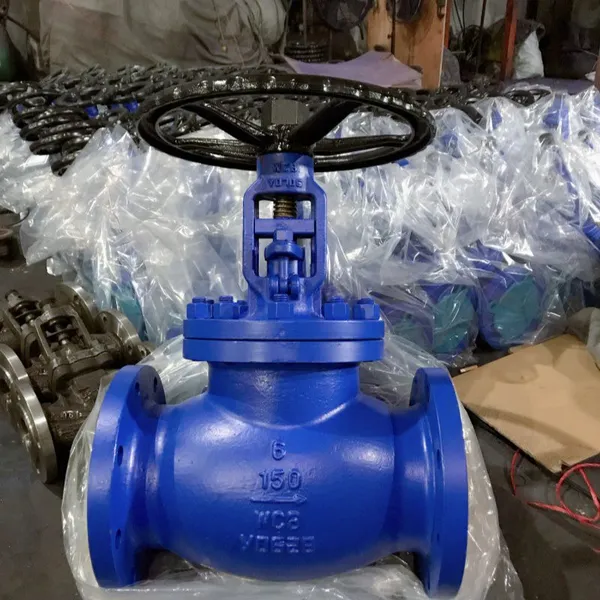
For a functioning globe valve, all components must be present and in good condition. The bolts on flanges and supports are essential; the threads must be intact with no signs of looseness. If the nuts on the handwheel become loose, they should be tightened promptly to prevent damage to the connections or loss of the handwheel and its markings. If the handwheel is lost, it must not be replaced with a adjustable wrench; a new handwheel must be obtained immediately. The packing gland must not be misaligned or lack any pre-tightening clearance. For globe valves located in environments prone to contamination by rain, snow, dust, or sand, a protective cover must be installed on the valve stem. The markings on the globe valve must remain complete, accurate, and clear. The lead seals, caps, and pneumatic accessories must also be intact. It is strictly prohibited to strike, stand on, or place heavy objects on a functioning globe valve. This is especially true for non-metallic and cast-iron valves. Maintenance work on valves before welding, before commissioning, and after commissioning is crucial for ensuring their proper function and extending their service life. Proper and orderly maintenance will protect the valves and enable them to perform their duties effectively. Although valve maintenance may seem simple, there are often overlooked aspects.
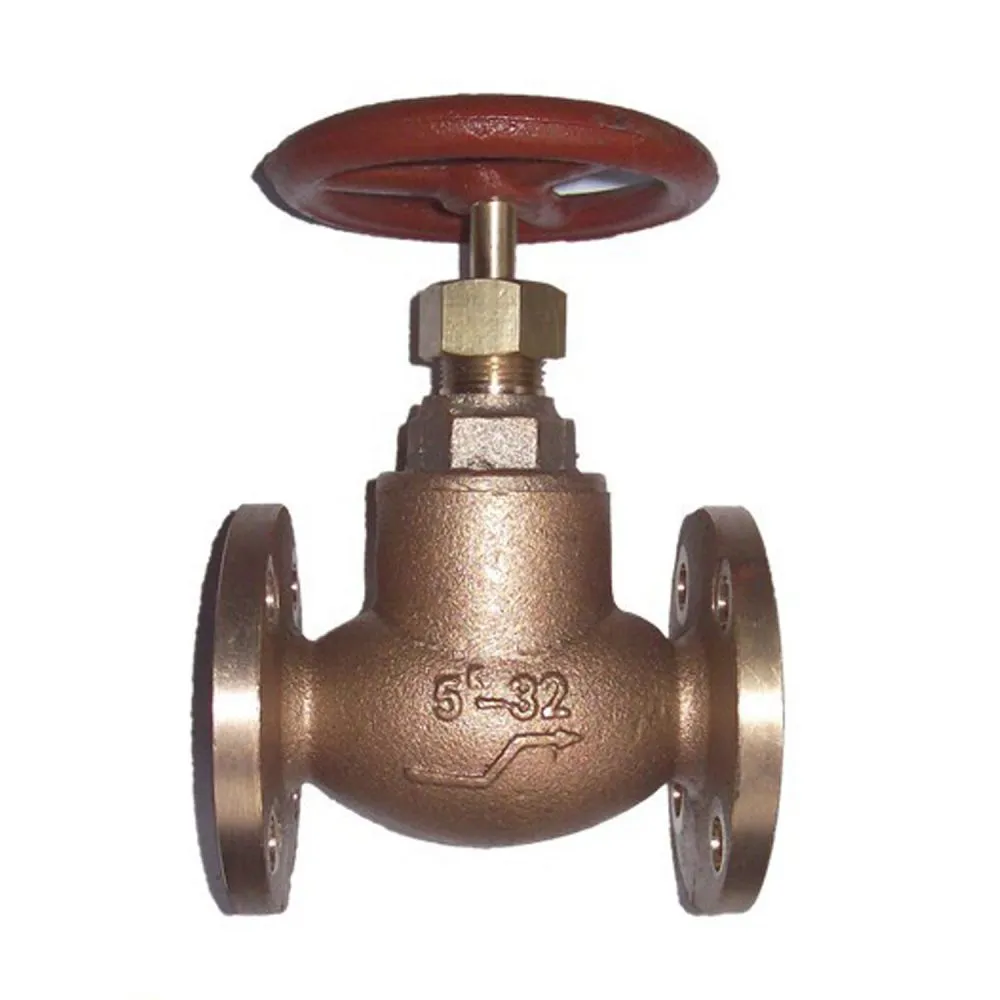
First, when lubricating a globe valve, the amount of grease used is often neglected. After selecting the appropriate valve and lubrication method, the operator proceeds with the lubrication process. There are two potential issues: too little grease can lead to accelerated wear of the sealing surface due to lack of lubrication, while too much grease results in waste. The correct amount of grease should be determined based on the valve type and its sealing capacity. The sealing capacity can be calculated using the valve’s dimensions and category, and an appropriate amount of grease should then be applied.
Second, the pressure during grease injection is also often overlooked. During lubrication, the pressure fluctuates regularly. Too low pressure can cause sealing leaks or failure, while too high pressure can block the grease inlet, harden the grease inside the seal, or cause the seal to stick to the valve ball or disc. When the pressure is too low, the grease tends to flow to the bottom of the valve chamber, especially in small gate valves. High pressure, on the other hand, can cause problems such as clogged grease nozzles or hardened grease. In such cases, a cleaning solution should be used to soften the hardened grease, and new grease should be applied. The type and material of the seal also affect the required lubrication pressure. Different seal types require different pressures; generally, hard-sealed valves require higher pressure than soft-sealed valves. Ball valves are usually maintained in the open position unless special circumstances require them to be closed. Other valves cannot always be assumed to be in the open position. Gate valves must be closed during maintenance to ensure that the grease fills the sealing grooves along the seal. If they are open, the grease will flow into the flow channel or valve chamber, resulting in waste.
Recently Posted
-
Installation precautions for check valves
August 26, 2026Installation precautions for check valves:1. Do not let check valves bear weight in the pipeline system. Large check valves should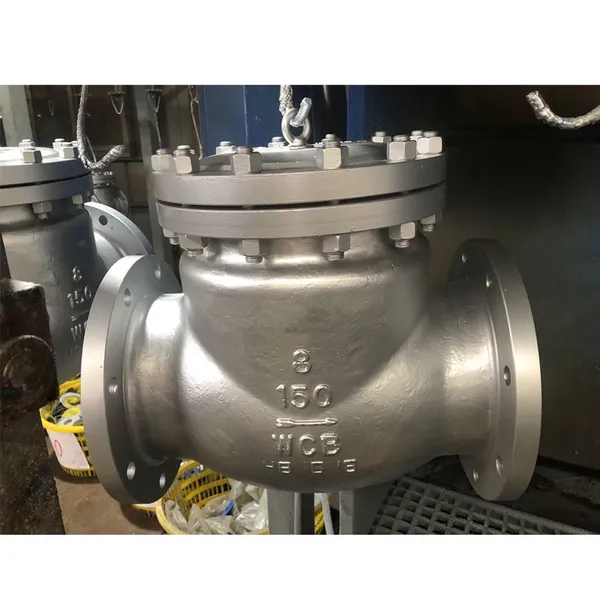 Read More
 -
The purpose of check valve
August 26, 2026Butterfly double valve check valve is suitable for high-rise building water supply pipelines, pipelines with certain chemical corr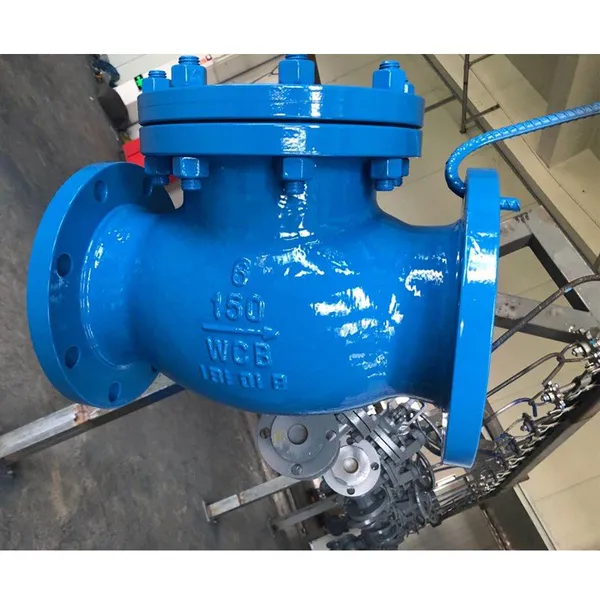 Read More
 -
Process Design of Check Valve
August 26, 2026Process Design of Check Valve:(1) Quality Control of the Main Body Rough Material All components of this valve are forged pi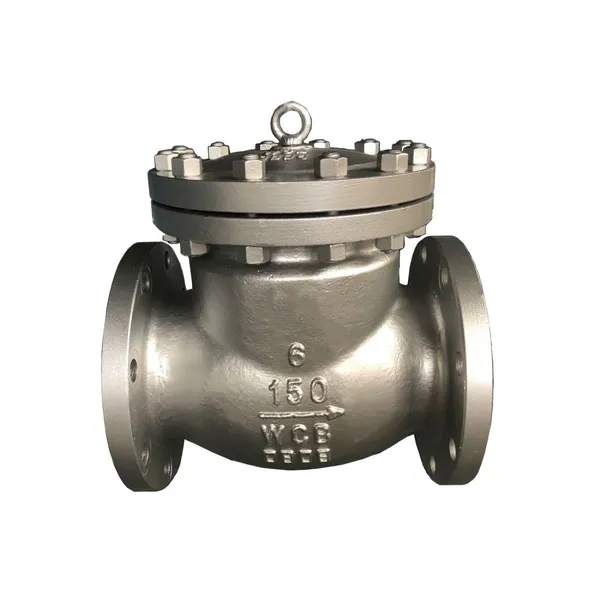 Read More
 -
Check valve selection standard 2
August 25, 2026Check valve selection standard:Diaphragm check valve is suitable for pipelines prone to water hammer. Diaphragm can well eliminate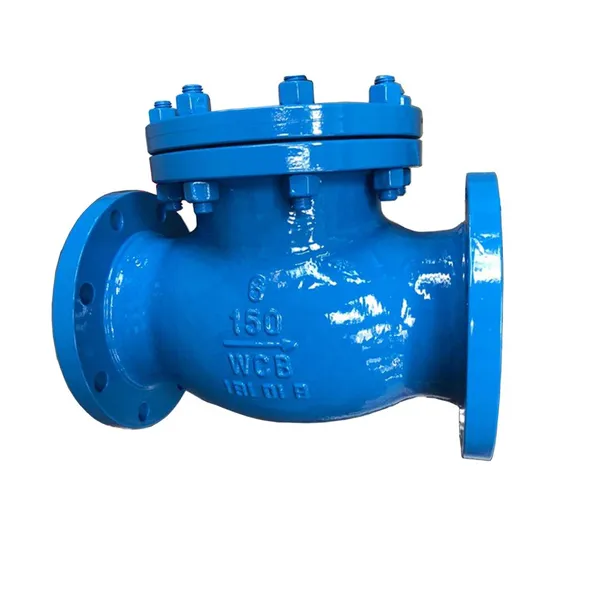 Read More

Contact Us
Recommended Products
-
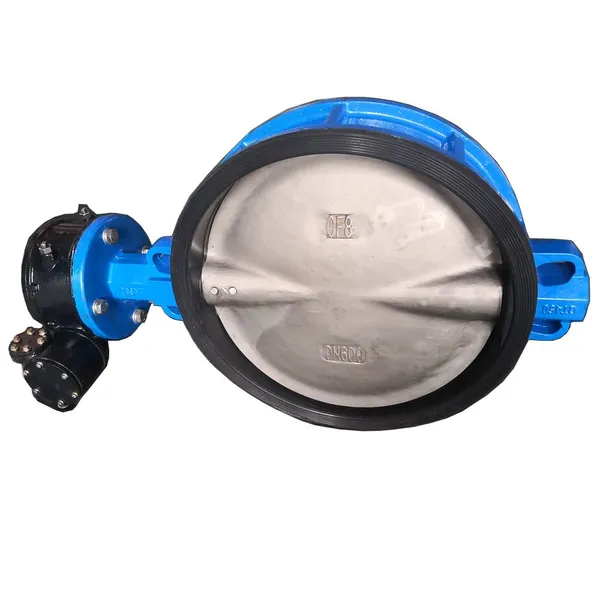
 ANSI Class 150 Lug/Wafer Butterfly Valve ASTM A126B Body API 609 Design ASME B16.42 Flange Industrial Pipeline Valve Manual/Worm/Electric OperatedUS$ 50 - 100MOQ: 9 Pieces
 -
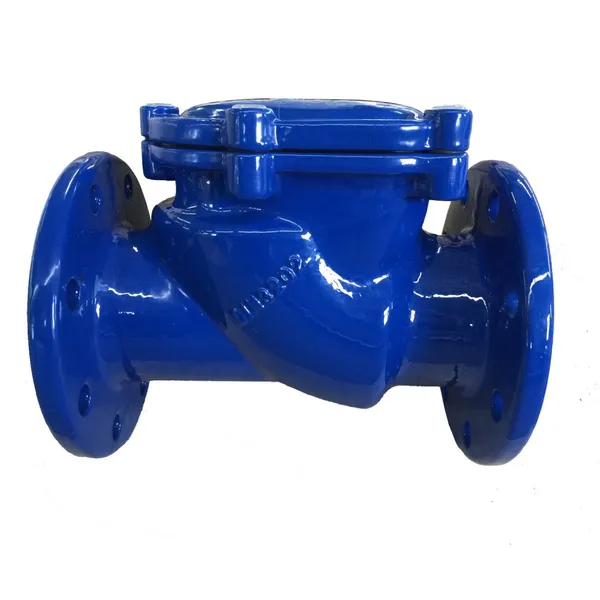
Certified DIN Swing Check Valve Meeting DIN3356 and ISO5208 Standards for Safe and Efficient OperationNegotiableMOQ: 1 Unit
-
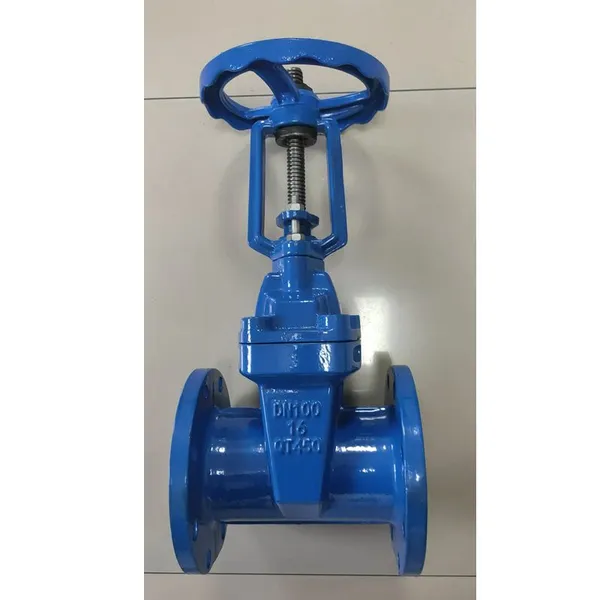
Made in China 150LB, 300LB, 600LB, 900LB BS Non- Rising Gate ValveNegotiableMOQ: 1 Piece
-
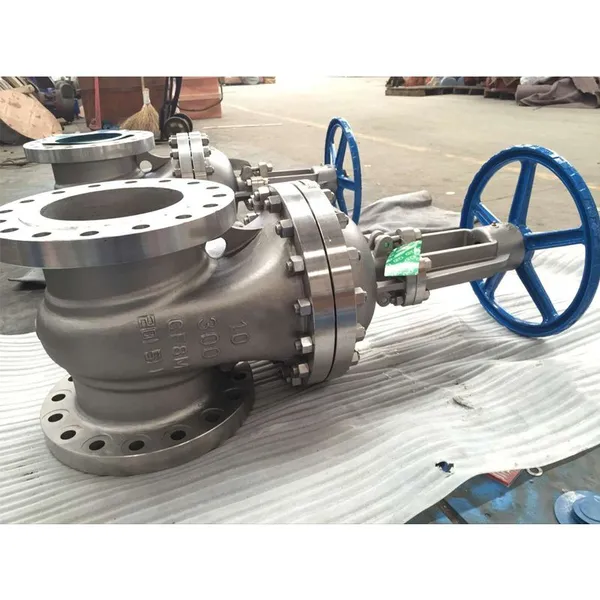
ANSI Stainless Steel Gate Valve API600 DN40–DN600 150LB–900LB Industrial Valve Flanged Gate Valve for Oil Gas WaterUS$ 50 - 1000MOQ: 1 Piece
-
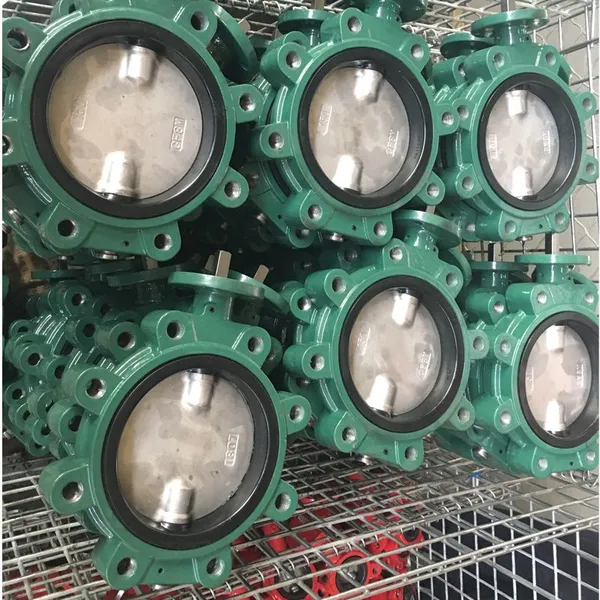
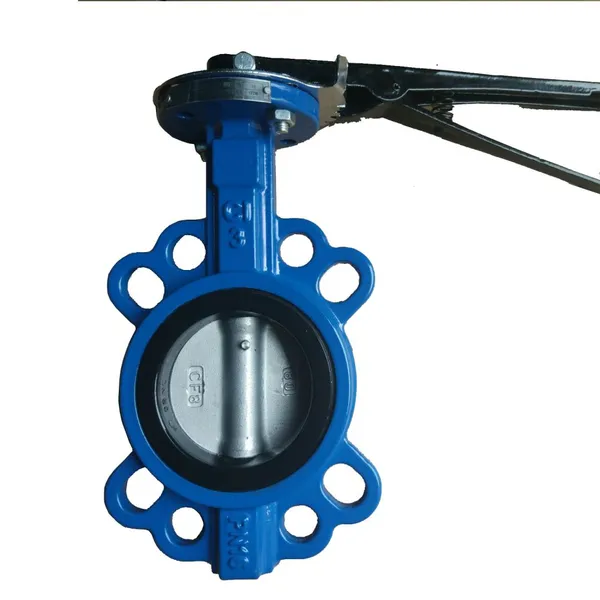
4" PN10 PN16 Butterfly Valve Flange BS Butterfly ValveNegotiableMOQ: 1 Piece
-
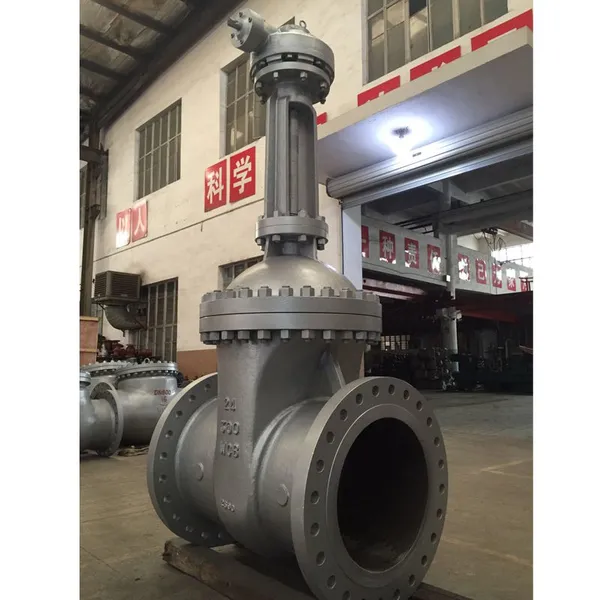
ANSI Cast Steel Gate Valve API 600/6D Standard 1/2"-40" DN15-DN1000 150LB-900LB WCB/CF8/CF8M Body Flanged End ASME B16.25 TestedUS$ 50 - 700MOQ: 1 Piece
-
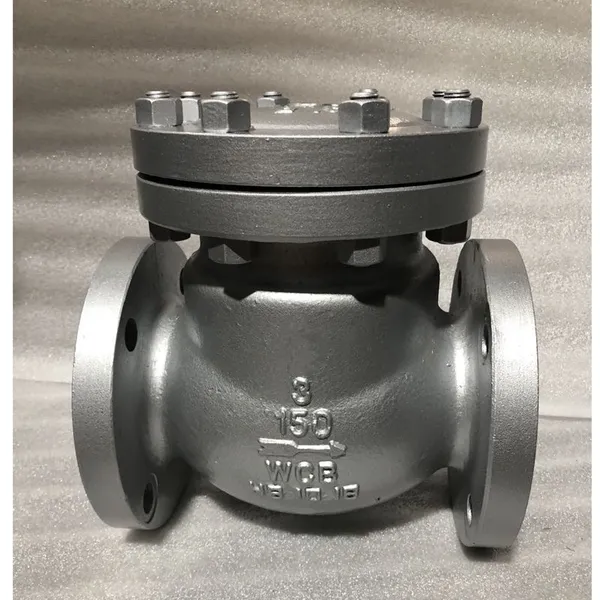
API Swing Check Valve BS 1868 Standard 2"-24" DN40-DN600 150LB-600LB ASTM A216 WCB Body Flanged End API 598 Tested Non-Return ValveUS$ 50 - 700MOQ: 1 Piece
-
Made in China DN40~DN1000 DIN Butterfly Valve With PinNegotiableMOQ: 1 Piece
-
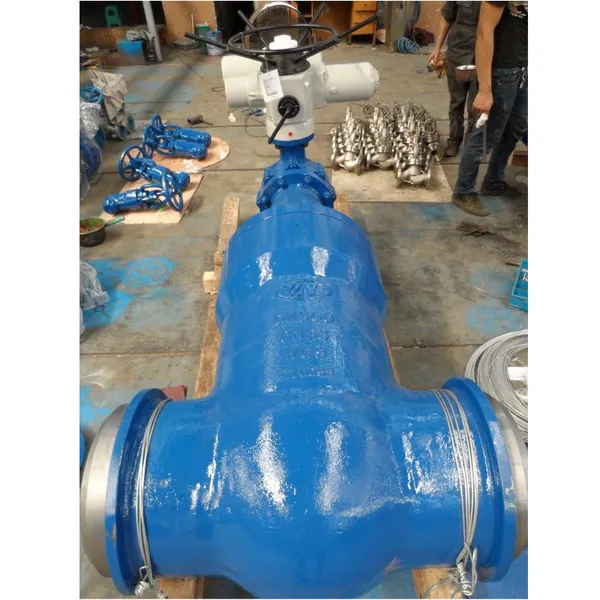
900LB API 600 Gate Valve ASME B16.34 2"-12" Flanged/Welded End MSS SP-61 Tested Factory DirectUS$ 100 - 1000MOQ: 1 Piece
-
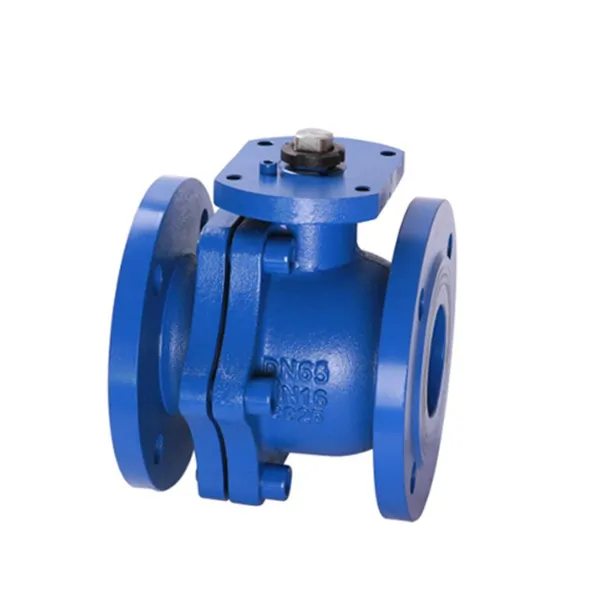
DN100 Cast Iron DIN Ball Valve PN16 Reliability ValveNegotiableMOQ: 1 Piece
-
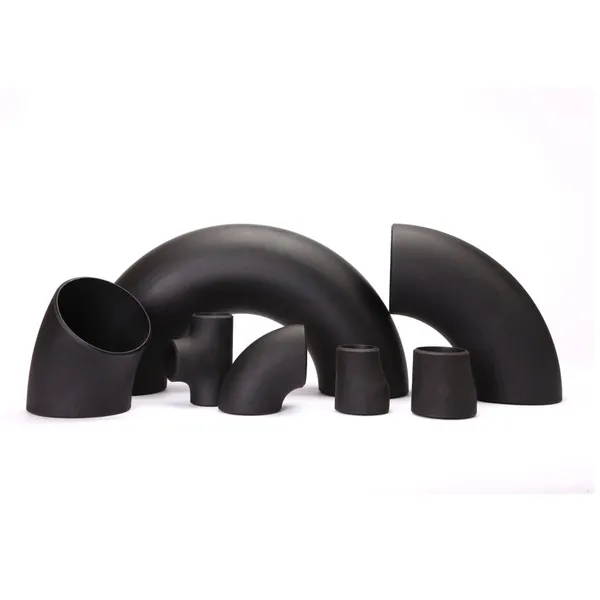
API ANSI B16.9/ASTM A234 Wp11 Lr 45/90 Degree DN200 Seamless Steel Pipe Fitting Forged Stainless Steel Seamless ElbowNegotiableMOQ: 1 Piece
-
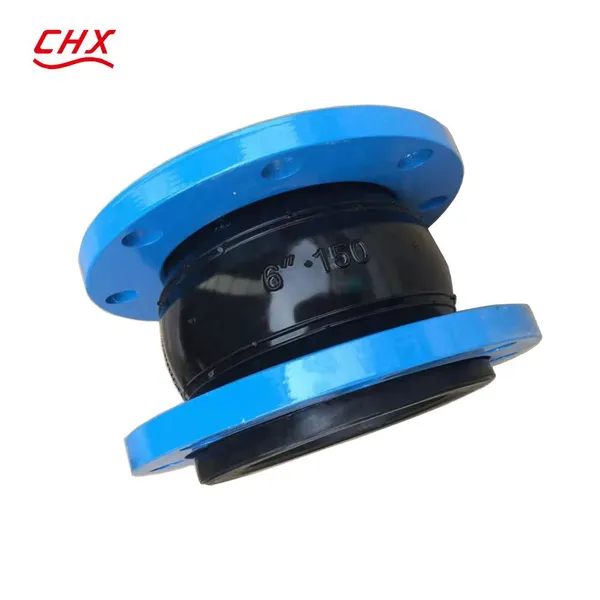
Universal Joints Single Sphere Carbon Steel Flexible Rubber Epdm Joint Expantion Reduction JointNegotiableMOQ: 1 Piece
-
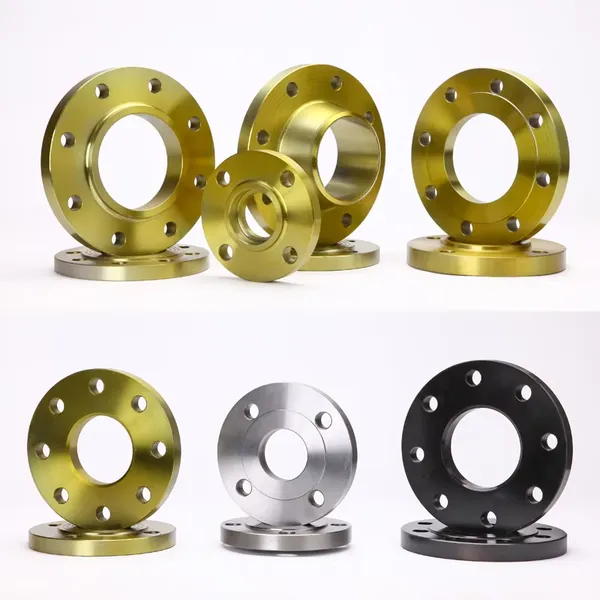
ANSI B16.5 Inlet Flange Forged Carbon/Stainless Steel Flanges Blind FlangeUS$ 39MOQ: 1 Piece
-
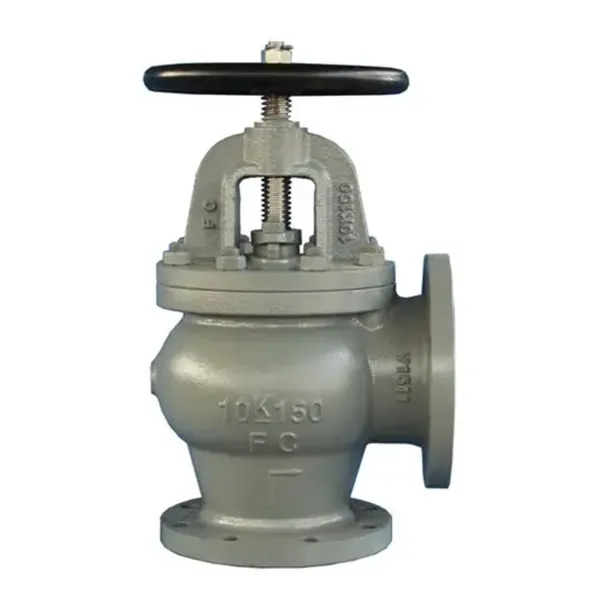
JIS Standard 5K Marine Valves JIS F7376 Cast Iron Cast Steel 10K Angle Check Valves Globe ValveUS$ 580.61 - 683.06MOQ: 1 Unit
-
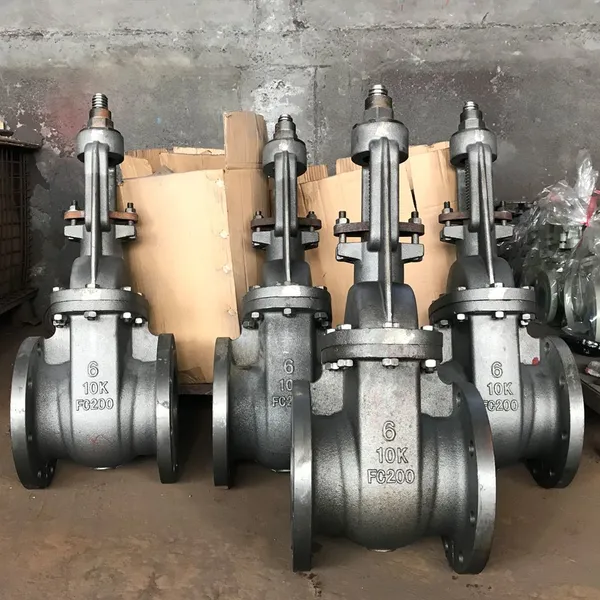
ANSI Rising Stem Gate Valve Cast Iron Flanged Gate Valve 125LB/150LB MSS SP-70 API 598 DN50-DN1000 Flanged End Petroleum/Chemical IndustryUS$ 35 - 79MOQ: 1 Piece
-
ANSI/JIS DN80 3 Inch Ductile Iron Water Knife Gate Valve Wafer/Flange/Lug Type SS Plate Knife Gate ValveUS$ 551.73 - 689.66MOQ: 1 Piece
-
API 900lb Forged Steel High Quality Stainless Steel SS 316 F304L F22 Flange Type Bolt Bonnet Gate ValveUS$ 207.04 - 690.13MOQ: 1 Unit
-
DIN3352 Square Nut DN200 Ductile Iron GGG40 Double Socket End Gate Valve Used for PVC Pipes Swing Check ValveUS$ 138.03 - 345.07MOQ: 1 Unit
-
GOST GB Standard PN16 DN200 Rising Stem Ss321 GOST Electric Actuator Gate ValveUS$ 551.73 - 1379.32MOQ: 1 Unit
-
ANSI Cast Steel Globe Valve API 600/6D Standard 1/2"-24" (DN15-DN600) 150LB-900LB ASTM A216 WCB Body Flanged End Industrial Flow ControlUS$ 50 - 700MOQ: 1 Piece