
 Business License
Maintenance and Inspection of Safety Valves
To ensure the safety valve operates sensitively, reliably, and maintains good sealing performance, it is essential to enhance maintenance and inspection during the operation of boilers, pressure vessels, and pressure pipelines.
(1) Maintain the cleanliness of the safety valve regularly to prevent the valve body spring and other components from being clogged with oil stains or corroded, and to avoid blockage of the safety valve discharge pipe by oil or other foreign substances. Frequently inspect the integrity of the lead seal to prevent loosening or displacement of the weight in lever-type safety valves, as well as unauthorized adjustments.
(2) If signs of leakage are detected in the safety valve, it should be promptly replaced or repaired. It is prohibited to eliminate leakage by increasing the load (e.g., excessively tightening the adjustment screw of a spring-type safety valve or adding weights to the lever of a lever-type safety valve). To prevent the valve disc and seat from being stuck by contaminants such as oil deposits in the gas, which could prevent the safety valve from opening properly, manual discharge tests should be conducted regularly for safety valves used in air, steam, or other gases containing viscous contaminants but where discharge would not cause harm.
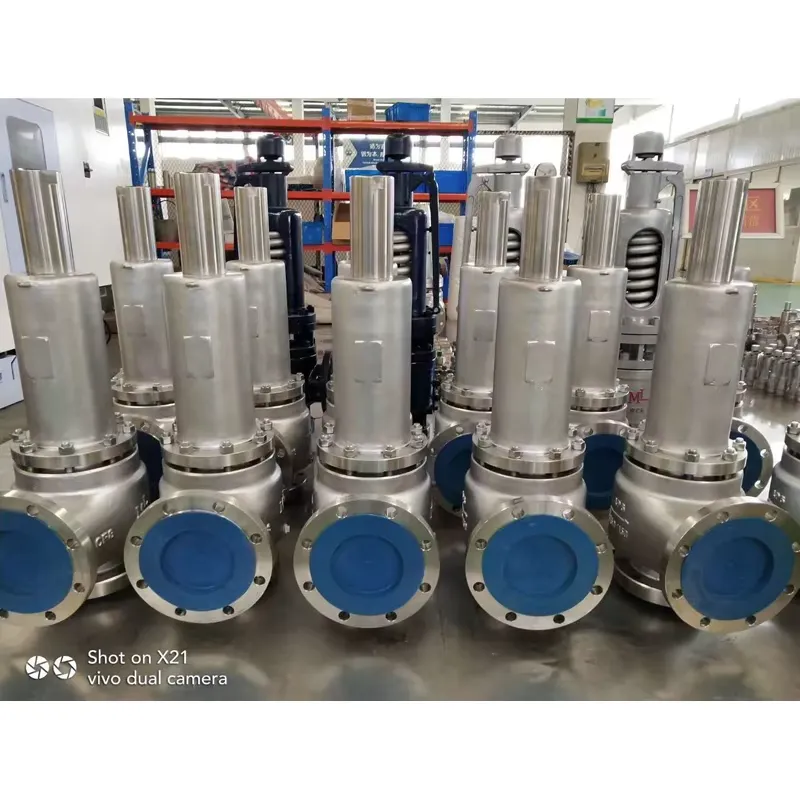
(3) To ensure the safety valve remains sensitive and reliable, a periodic calibration must be conducted at least once a year. The calibration typically includes dynamic testing and disassembly inspection. Dynamic testing primarily involves checking the valve's opening pressure, closing pressure, sealing performance, and lift height under rated discharge pressure, with requirements identical to those during safety valve commissioning. If dynamic testing fails or abnormal conditions such as leakage are detected during operation, disassembly inspection is required. After disassembly, all components of the safety valve should be carefully examined for cracks, scars, wear, corrosion, deformation, or other damages. Repairs or replacements should be made based on the severity and extent of defects, followed by reassembly and another round of dynamic testing.
Special equipment user units must attach great importance to the troubleshooting, maintenance, and inspection (servicing) of safety valves, as well as the lessons from related accidents and the critical role of safety valves in pressure-bearing special equipment. Special equipment manufacturers and user units, especially small and medium-sized private enterprises, should diligently study and implement the "Special Equipment Safety Supervision Regulations," strictly adhere to safety operating procedures and regulations. In addition to conducting regular daily maintenance and inspections of the pressure-bearing special equipment itself, they must also perform periodic calibration and servicing of its safety accessories in accordance with regulations, incorporate these measures into special equipment safety management, promptly address identified hazards, eliminate risks, and genuinely assume corporate responsibility to ensure the safe operation of special equipment.
Recently Posted
-
Key points for installing gate valves
August 6, 2026Key points for installing gate valves:1) The installation position, height, and import/export direction must meet the design requi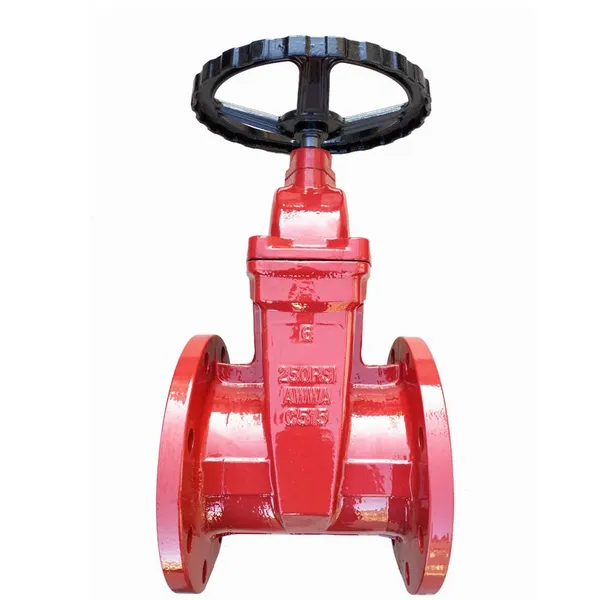 Read More
 -
Precautions for Using Gate Valves
August 6, 20261. Handwheels, handles, and transmission mechanisms are not allowed to be used for lifting and collisions are strictly prohibited.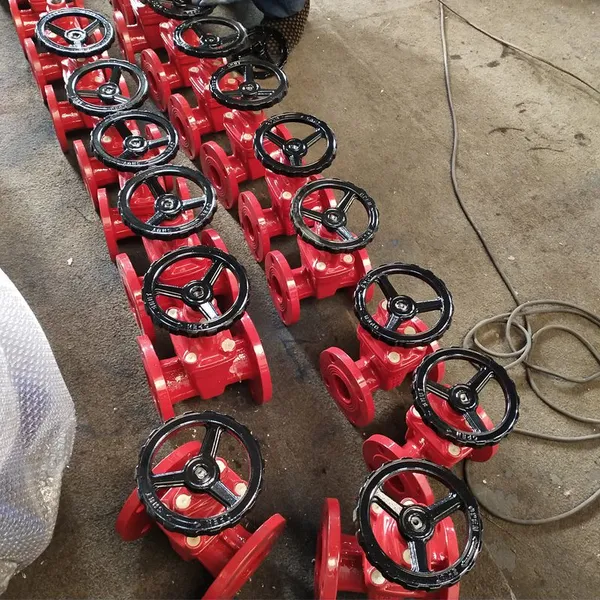 Read More
 -
Characteristics of gate valves
August 6, 2026Characteristics of gate valves:lightweightThe body is made of high-grade ductile iron, reducing the weight by approximately 20% to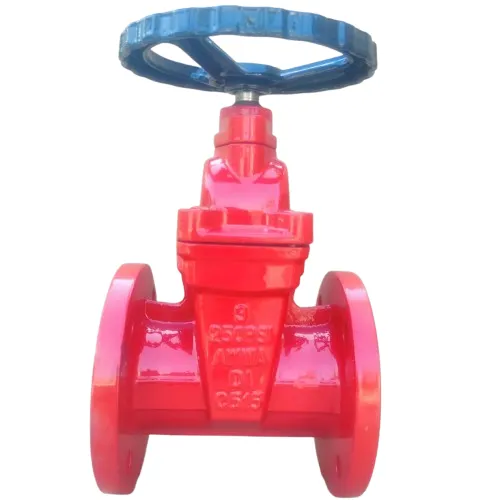 Read More
 -
Disadvantages of gate valves
August 5, 2026Disadvantages of gate valves:(1) Generally, gate valves have two sealing surfaces, making their manufacturing process more complex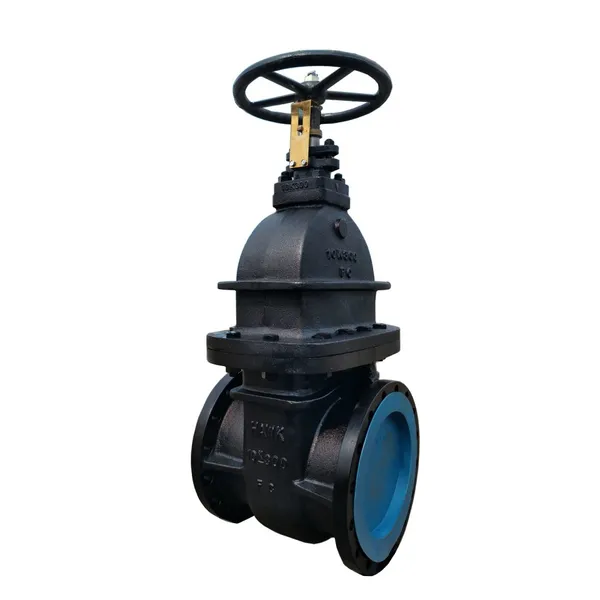 Read More

Contact Us
Recommended Products
-
 ANSI Class 150 Lug/Wafer Butterfly Valve ASTM A126B Body API 609 Design ASME B16.42 Flange Industrial Pipeline Valve Manual/Worm/Electric OperatedUS$ 50 - 100MOQ: 9 Pieces
 -
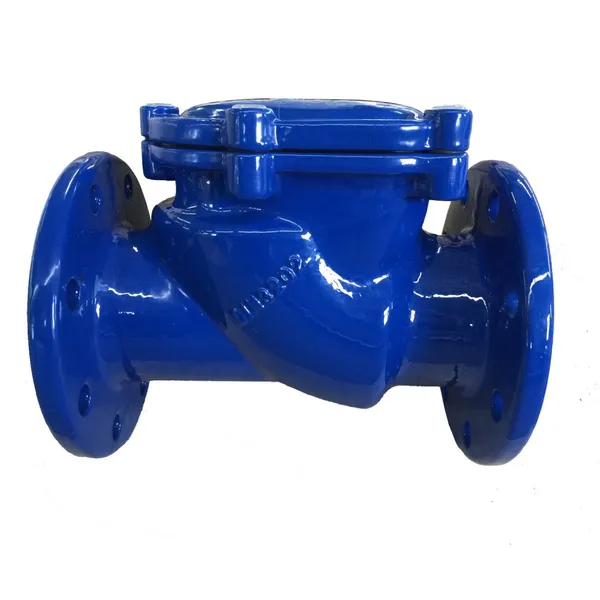
Certified DIN Swing Check Valve Meeting DIN3356 and ISO5208 Standards for Safe and Efficient OperationNegotiableMOQ: 1 Unit
-
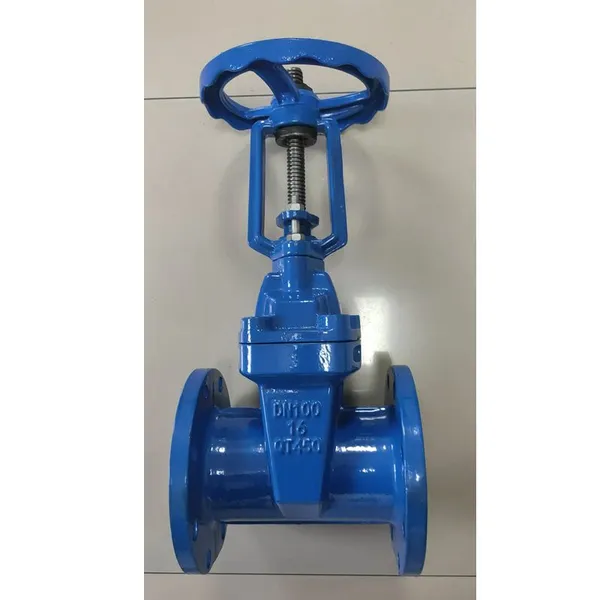
Made in China 150LB, 300LB, 600LB, 900LB BS Non- Rising Gate ValveNegotiableMOQ: 1 Piece
-
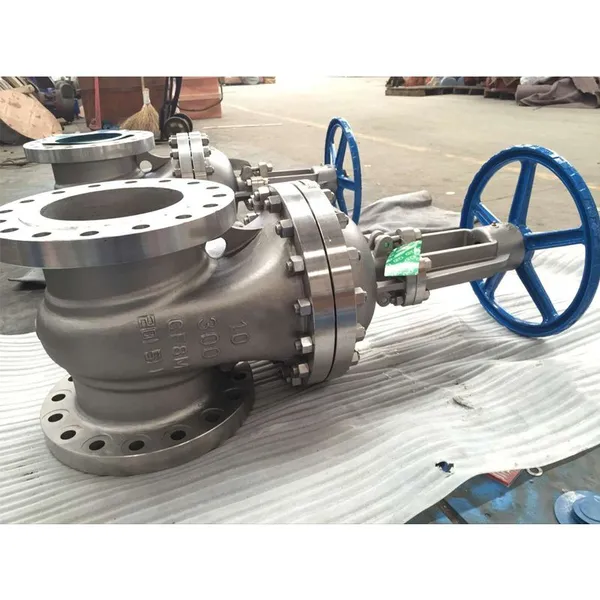
ANSI Stainless Steel Gate Valve API600 DN40–DN600 150LB–900LB Industrial Valve Flanged Gate Valve for Oil Gas WaterUS$ 50 - 1000MOQ: 1 Piece
-
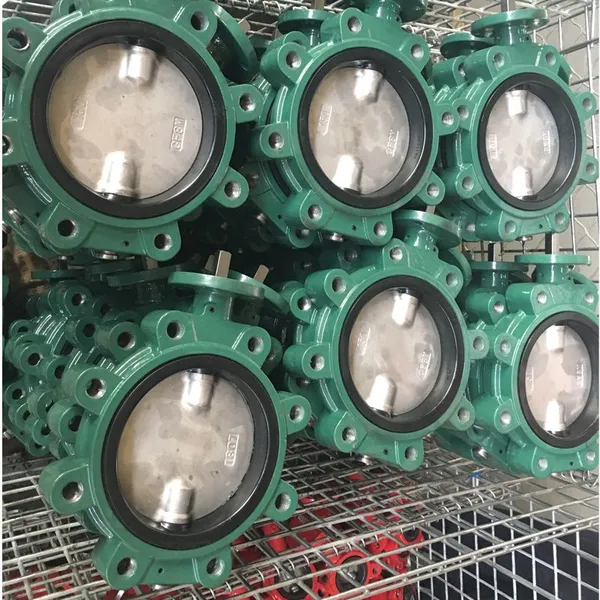
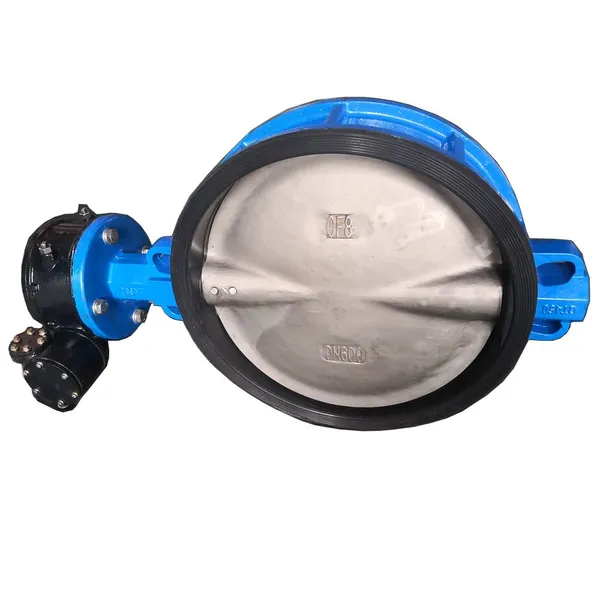
4" PN10 PN16 Butterfly Valve Flange BS Butterfly ValveNegotiableMOQ: 1 Piece
-
ANSI Cast Steel Gate Valve API 600/6D Standard 1/2"-40" DN15-DN1000 150LB-900LB WCB/CF8/CF8M Body Flanged End ASME B16.25 TestedUS$ 50 - 700MOQ: 1 Piece
-
API Swing Check Valve BS 1868 Standard 2"-24" DN40-DN600 150LB-600LB ASTM A216 WCB Body Flanged End API 598 Tested Non-Return ValveUS$ 50 - 700MOQ: 1 Piece
-
Made in China DN40~DN1000 DIN Butterfly Valve With PinNegotiableMOQ: 1 Piece
-
900LB API 600 Gate Valve ASME B16.34 2"-12" Flanged/Welded End MSS SP-61 Tested Factory DirectUS$ 100 - 1000MOQ: 1 Piece
-
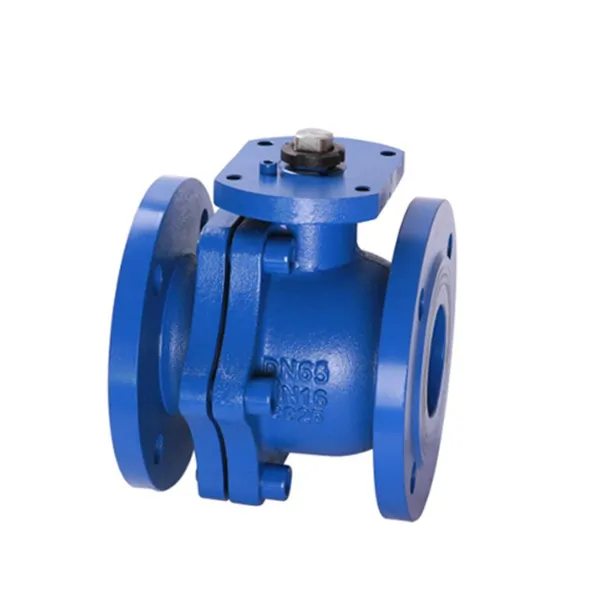
DN100 Cast Iron DIN Ball Valve PN16 Reliability ValveNegotiableMOQ: 1 Piece
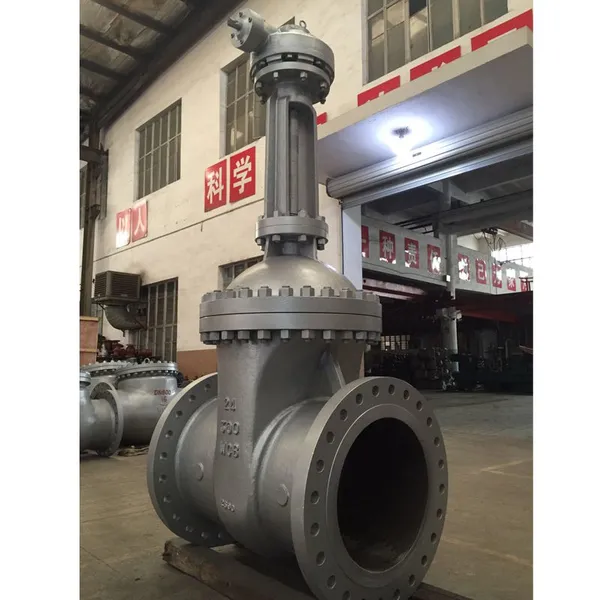
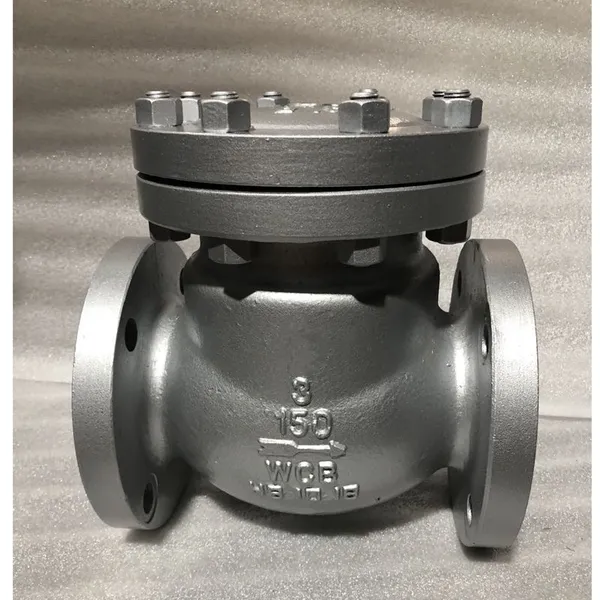
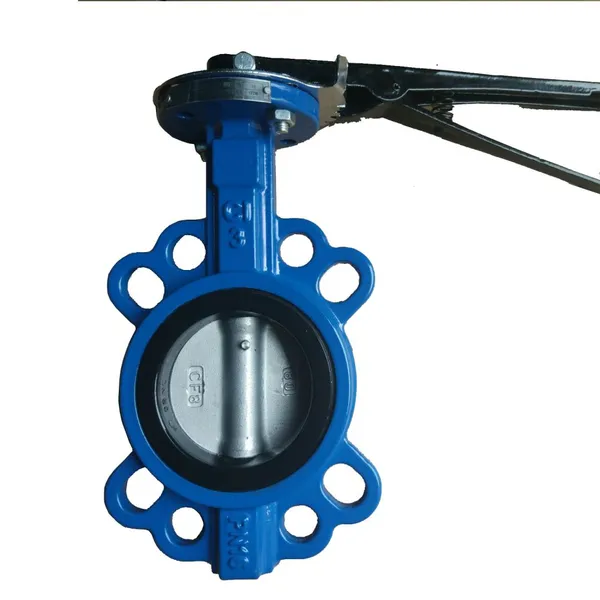
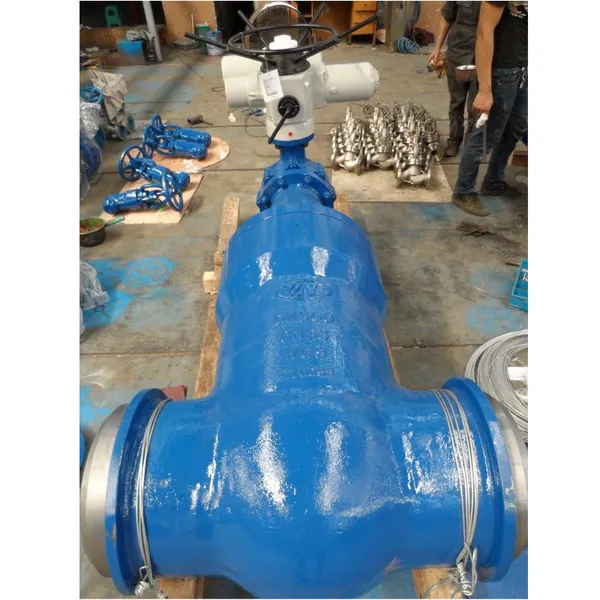
-
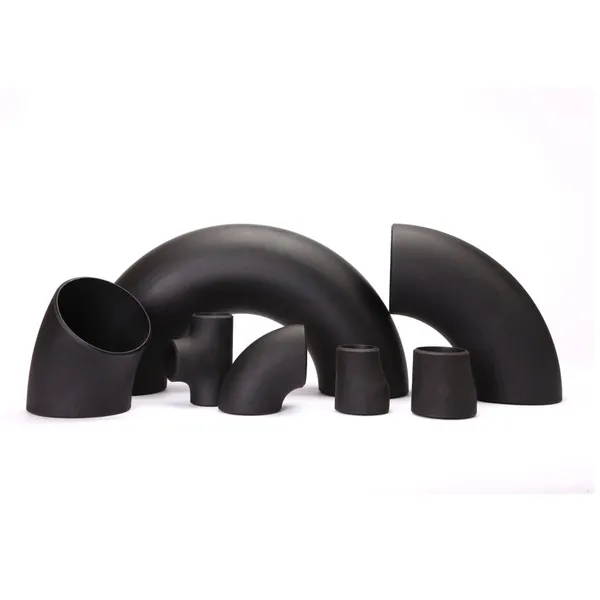
API ANSI B16.9/ASTM A234 Wp11 Lr 45/90 Degree DN200 Seamless Steel Pipe Fitting Forged Stainless Steel Seamless ElbowNegotiableMOQ: 1 Piece
-
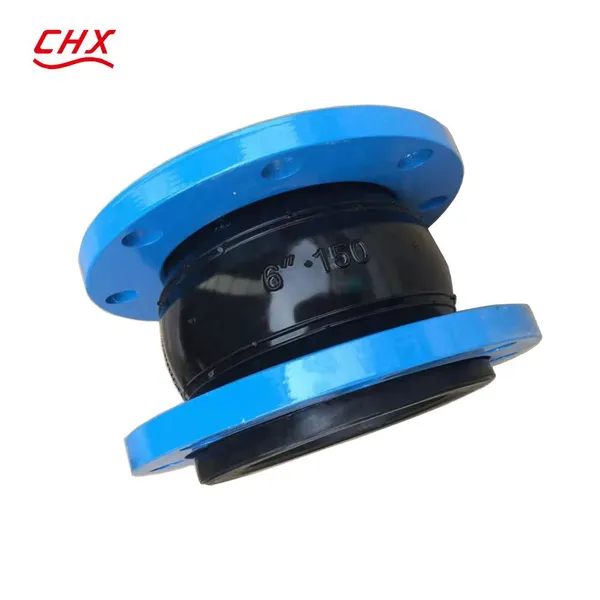
Universal Joints Single Sphere Carbon Steel Flexible Rubber Epdm Joint Expantion Reduction JointNegotiableMOQ: 1 Piece
-
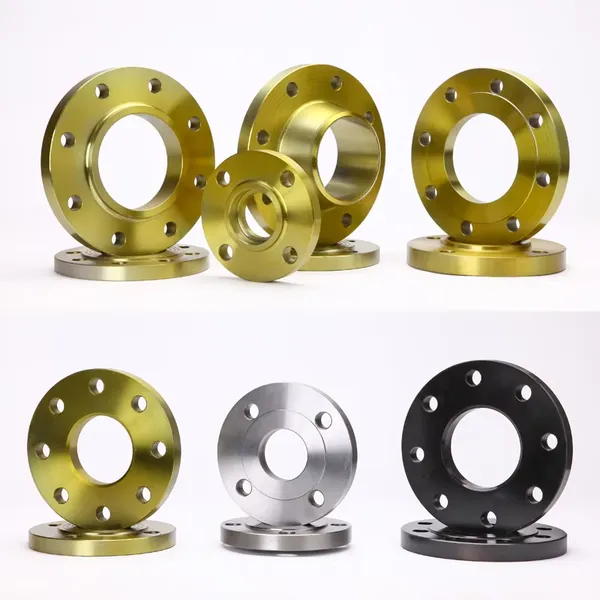
ANSI B16.5 Inlet Flange Forged Carbon/Stainless Steel Flanges Blind FlangeUS$ 39MOQ: 1 Piece
-
JIS Standard 5K Marine Valves JIS F7376 Cast Iron Cast Steel 10K Angle Check Valves Globe ValveUS$ 580.61 - 683.06MOQ: 1 Unit
-
ANSI Rising Stem Gate Valve Cast Iron Flanged Gate Valve 125LB/150LB MSS SP-70 API 598 DN50-DN1000 Flanged End Petroleum/Chemical IndustryUS$ 35 - 79MOQ: 1 Piece
-
ANSI/JIS DN80 3 Inch Ductile Iron Water Knife Gate Valve Wafer/Flange/Lug Type SS Plate Knife Gate ValveUS$ 551.73 - 689.66MOQ: 1 Piece
-
API 900lb Forged Steel High Quality Stainless Steel SS 316 F304L F22 Flange Type Bolt Bonnet Gate ValveUS$ 207.04 - 690.13MOQ: 1 Unit
-
DIN3352 Square Nut DN200 Ductile Iron GGG40 Double Socket End Gate Valve Used for PVC Pipes Swing Check ValveUS$ 138.03 - 345.07MOQ: 1 Unit
-
GOST GB Standard PN16 DN200 Rising Stem Ss321 GOST Electric Actuator Gate ValveUS$ 551.73 - 1379.32MOQ: 1 Unit
-
ANSI Cast Steel Globe Valve API 600/6D Standard 1/2"-24" (DN15-DN600) 150LB-900LB ASTM A216 WCB Body Flanged End Industrial Flow ControlUS$ 50 - 700MOQ: 1 Piece