
 Business License
Methods for eliminating safety valve faults
The main cause of safety valve failure is improper design, manufacturing, selection, or use. If these faults are not eliminated in a timely manner, they will affect the effectiveness and service life of the valve, and even fail to provide safety protection. The common faults and their elimination methods are as follows:
1. Leakage
Under normal operating pressure of the equipment, leakage exceeding the allowable level occurs between the valve disc and the sealing surface of the valve seat. The reason is that there is dirt between the valve disc and the sealing surface of the valve seat. You can use a lifting wrench to open the valve several times and flush away the dirt; Sealing surface damage. According to the degree of damage, repair should be carried out by grinding or grinding after turning; The valve stem is bent, tilted, or the lever and fulcrum are skewed, causing the valve core to be misaligned with the valve disc. Should be reassembled or replaced; The elasticity of the spring decreases or loses its elasticity. Measures such as replacing the spring and readjusting the opening pressure should be taken.
2. Do not open when the specified pressure is reached
The reason for this situation is inaccurate constant pressure, and the compression amount of the spring or the position of the heavy hammer should be readjusted; The valve disc is stuck to the valve seat. Regular manual air release or water discharge tests should be conducted on safety valves; The lever of the lever type safety valve is stuck or the heavy hammer is moved. The position of the heavy hammer should be readjusted and the lever should move freely.
3. Open below the specified pressure
Mainly due to inaccurate constant pressure; The spring has aged and its elasticity has decreased. The adjusting screw should be tightened appropriately or the spring should be replaced.
4. The pressure continues to rise after exhaust
This is mainly because the selected safety valve has a small displacement and the safety discharge capacity of the flat equipment should be re selected with a suitable safety valve; The centerline of the valve stem is not aligned or the spring is rusted, which prevents the valve disc from opening to the desired height. The valve stem should be reassembled or the spring replaced; The exhaust pipe section is insufficient, and an exhaust pipe that meets the safe emission area should be used.
5. Valve disc frequency jump or vibration
Mainly due to the high stiffness of the spring, a spring with appropriate stiffness should be used instead; Improper adjustment of the adjustment ring leads to excessive reseating pressure. The position of the adjustment ring should be readjusted; Excessive resistance in the discharge pipeline results in excessive discharge back pressure. The resistance of the discharge pipeline should be reduced.
6. The valve disc does not return to its seat after discharge
This is mainly caused by the spring bending of the valve stem, improper installation position of the valve disc or being stuck, and should be reassembled.
Recently Posted
-
Key points for installing gate valves
August 6, 2026Key points for installing gate valves:1) The installation position, height, and import/export direction must meet the design requi Read More
 -
Precautions for Using Gate Valves
August 6, 20261. Handwheels, handles, and transmission mechanisms are not allowed to be used for lifting and collisions are strictly prohibited.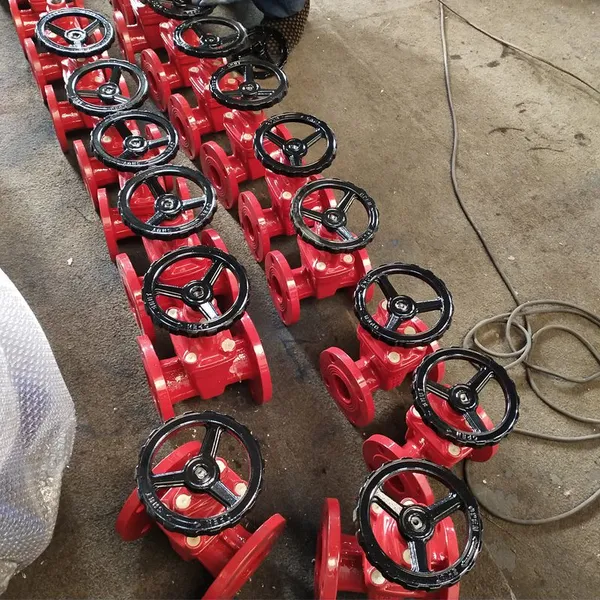 Read More
 -
Characteristics of gate valves
August 6, 2026Characteristics of gate valves:lightweightThe body is made of high-grade ductile iron, reducing the weight by approximately 20% to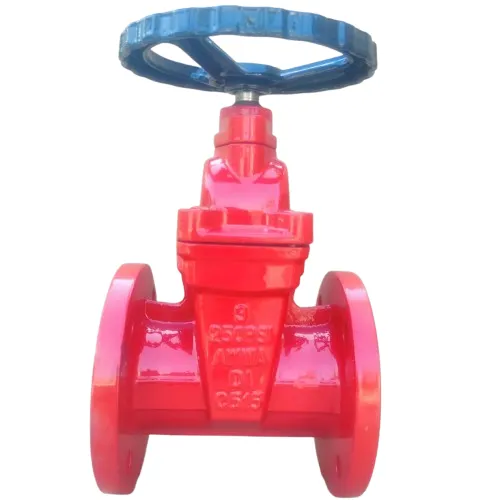 Read More
 -
Disadvantages of gate valves
August 5, 2026Disadvantages of gate valves:(1) Generally, gate valves have two sealing surfaces, making their manufacturing process more complex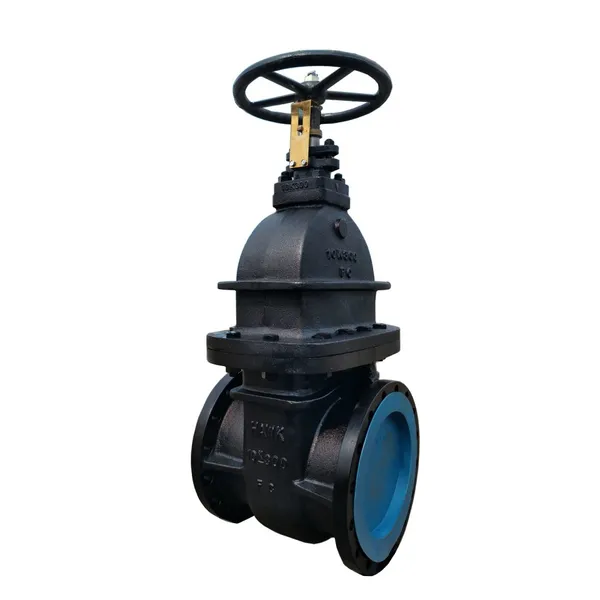 Read More

Contact Us
Recommended Products
-
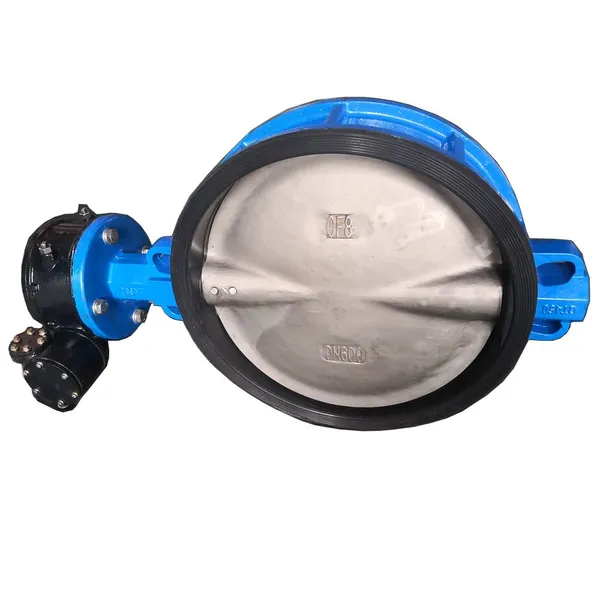
 ANSI Class 150 Lug/Wafer Butterfly Valve ASTM A126B Body API 609 Design ASME B16.42 Flange Industrial Pipeline Valve Manual/Worm/Electric OperatedUS$ 50 - 100MOQ: 9 Pieces
 -
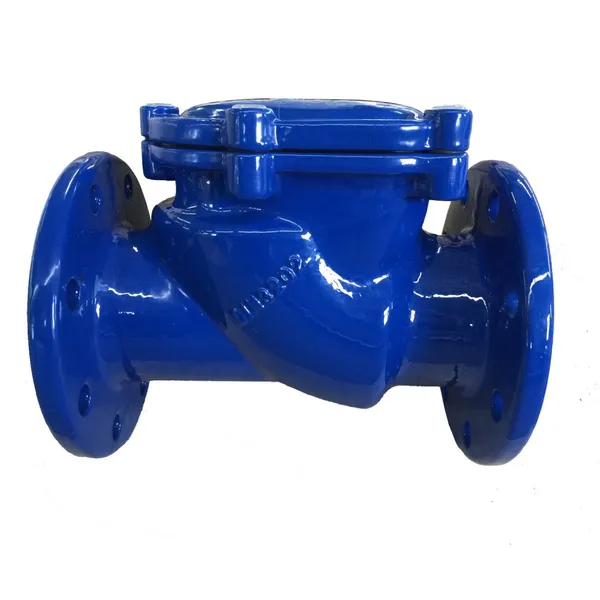
Certified DIN Swing Check Valve Meeting DIN3356 and ISO5208 Standards for Safe and Efficient OperationNegotiableMOQ: 1 Unit
-
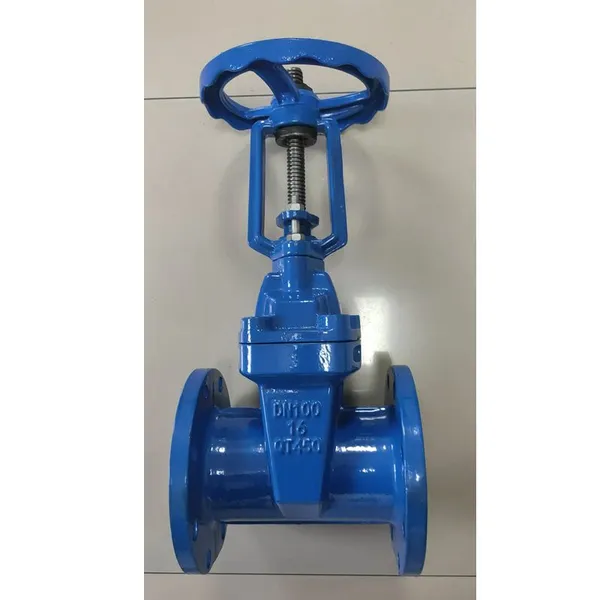
Made in China 150LB, 300LB, 600LB, 900LB BS Non- Rising Gate ValveNegotiableMOQ: 1 Piece
-
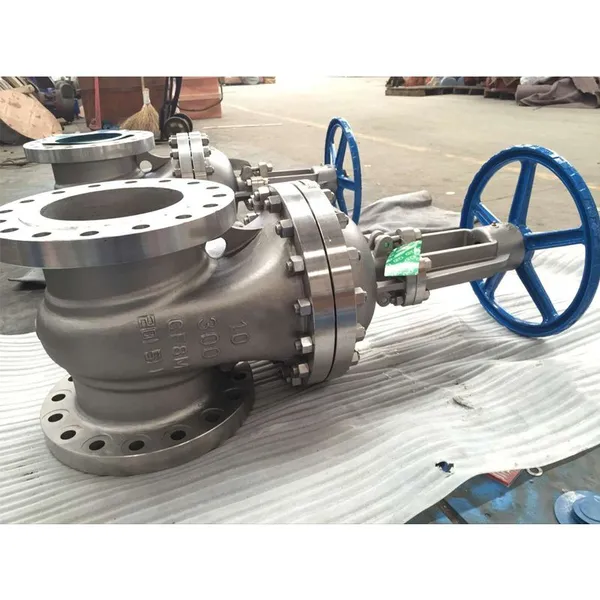
ANSI Stainless Steel Gate Valve API600 DN40–DN600 150LB–900LB Industrial Valve Flanged Gate Valve for Oil Gas WaterUS$ 50 - 1000MOQ: 1 Piece
-
4" PN10 PN16 Butterfly Valve Flange BS Butterfly ValveNegotiableMOQ: 1 Piece
-
ANSI Cast Steel Gate Valve API 600/6D Standard 1/2"-40" DN15-DN1000 150LB-900LB WCB/CF8/CF8M Body Flanged End ASME B16.25 TestedUS$ 50 - 700MOQ: 1 Piece
-
API Swing Check Valve BS 1868 Standard 2"-24" DN40-DN600 150LB-600LB ASTM A216 WCB Body Flanged End API 598 Tested Non-Return ValveUS$ 50 - 700MOQ: 1 Piece
-
Made in China DN40~DN1000 DIN Butterfly Valve With PinNegotiableMOQ: 1 Piece
-
900LB API 600 Gate Valve ASME B16.34 2"-12" Flanged/Welded End MSS SP-61 Tested Factory DirectUS$ 100 - 1000MOQ: 1 Piece
-
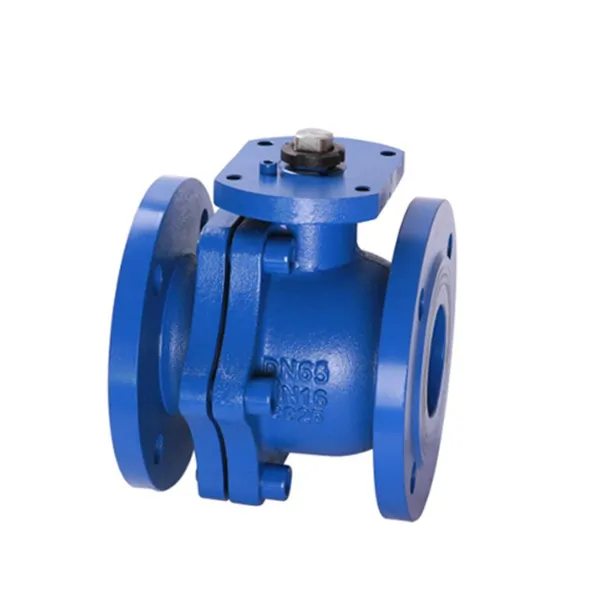
DN100 Cast Iron DIN Ball Valve PN16 Reliability ValveNegotiableMOQ: 1 Piece
-
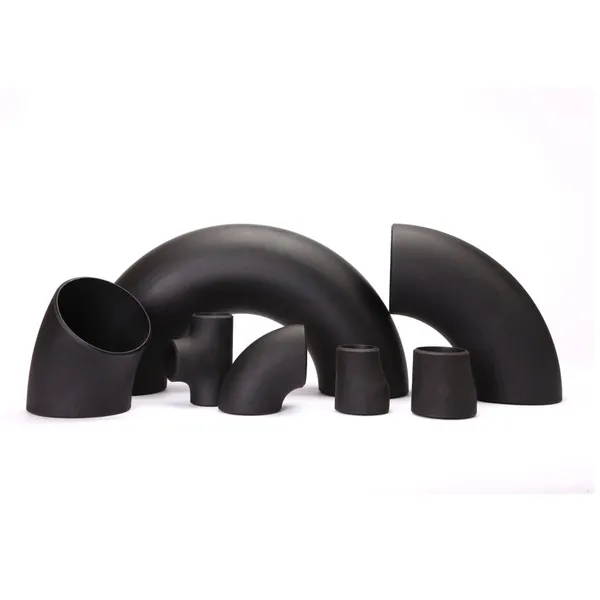
API ANSI B16.9/ASTM A234 Wp11 Lr 45/90 Degree DN200 Seamless Steel Pipe Fitting Forged Stainless Steel Seamless ElbowNegotiableMOQ: 1 Piece
-
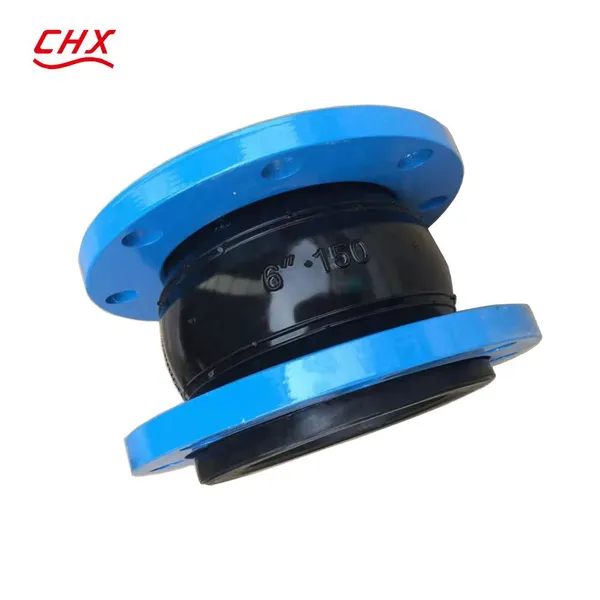
Universal Joints Single Sphere Carbon Steel Flexible Rubber Epdm Joint Expantion Reduction JointNegotiableMOQ: 1 Piece
-
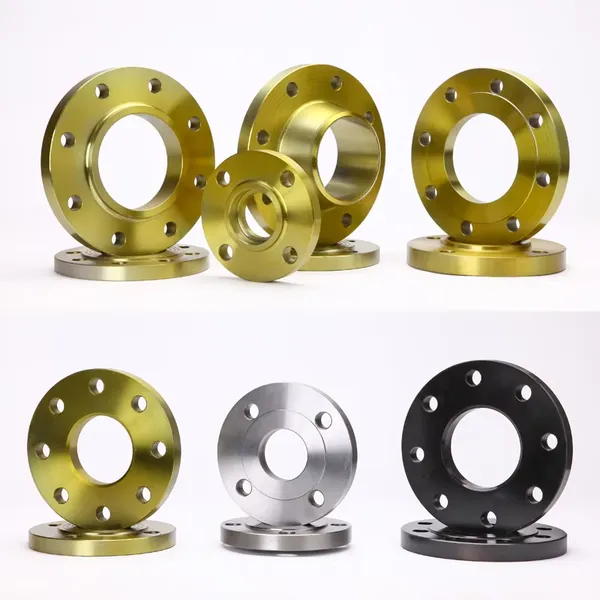
ANSI B16.5 Inlet Flange Forged Carbon/Stainless Steel Flanges Blind FlangeUS$ 39MOQ: 1 Piece
-
JIS Standard 5K Marine Valves JIS F7376 Cast Iron Cast Steel 10K Angle Check Valves Globe ValveUS$ 580.61 - 683.06MOQ: 1 Unit
-
ANSI Rising Stem Gate Valve Cast Iron Flanged Gate Valve 125LB/150LB MSS SP-70 API 598 DN50-DN1000 Flanged End Petroleum/Chemical IndustryUS$ 35 - 79MOQ: 1 Piece
-
ANSI/JIS DN80 3 Inch Ductile Iron Water Knife Gate Valve Wafer/Flange/Lug Type SS Plate Knife Gate ValveUS$ 551.73 - 689.66MOQ: 1 Piece
-
API 900lb Forged Steel High Quality Stainless Steel SS 316 F304L F22 Flange Type Bolt Bonnet Gate ValveUS$ 207.04 - 690.13MOQ: 1 Unit
-
DIN3352 Square Nut DN200 Ductile Iron GGG40 Double Socket End Gate Valve Used for PVC Pipes Swing Check ValveUS$ 138.03 - 345.07MOQ: 1 Unit
-
GOST GB Standard PN16 DN200 Rising Stem Ss321 GOST Electric Actuator Gate ValveUS$ 551.73 - 1379.32MOQ: 1 Unit
-
ANSI Cast Steel Globe Valve API 600/6D Standard 1/2"-24" (DN15-DN600) 150LB-900LB ASTM A216 WCB Body Flanged End Industrial Flow ControlUS$ 50 - 700MOQ: 1 Piece