
 Business License
The working principle of the gate valve
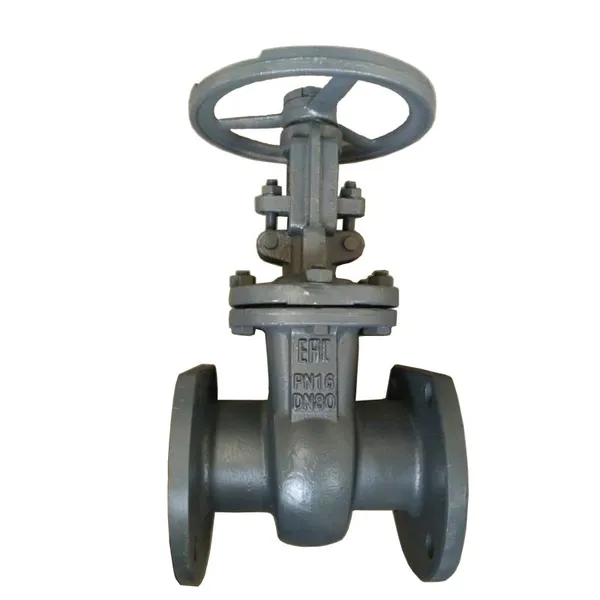
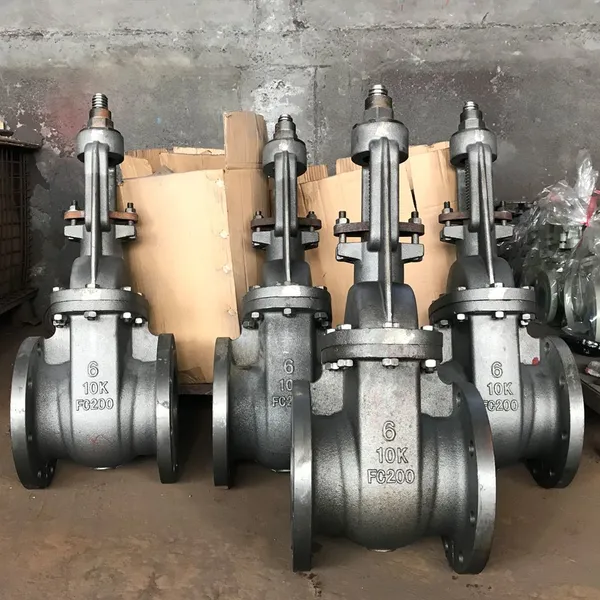
The opening and closing component of a gate valve is the gate plate, and the direction of movement of the gate plate is perpendicular to the direction of the fluid. The gate valve can only be fully opened and fully closed, and cannot be adjusted or throttled. The gate valve has two sealing surfaces, and the most commonly used mode gate valve has two sealing surfaces that form a wedge shape. The wedge angle varies with the valve parameters, usually 5 °, and 2 ° 52 'when the medium temperature is not high. The gate of a wedge gate valve can be made as a whole, called a rigid gate; It can also be made into a gate that can produce slight deformation to improve its processability and compensate for the deviation of the sealing surface angle during the processing.
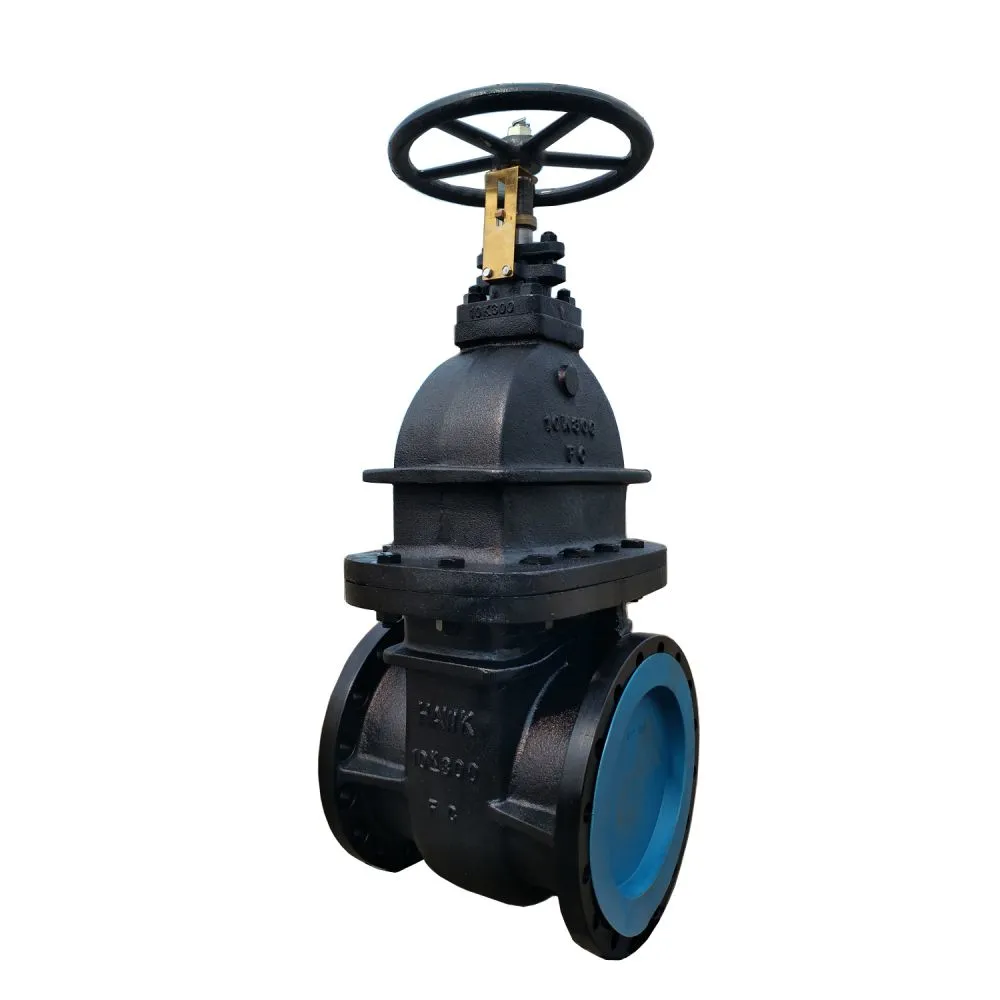
This type of gate is called an elastic gate. When the gate valve is closed, the sealing surface can be sealed solely by the medium pressure, that is, the sealing surface of the gate is pressed against the valve seat on the other side by the medium pressure to ensure the sealing surface is sealed, which is called self sealing. Most gate valves use forced sealing, which means that when the valve is closed, external force must be used to forcefully press the gate plate against the valve seat to ensure the sealing performance of the sealing surface. The gate of a gate valve moves in a straight line with the valve stem, which is called a rising stem gate valve or a rising stem gate valve. Usually, there are trapezoidal threads on the lifting rod, which convert rotational motion into linear motion through the nut at the top of the valve and the guide groove on the valve body, that is, convert operating torque into operating thrust. When the valve is opened, when the lifting height of the gate is equal to 1:1 times the valve diameter, the fluid channel is completely unobstructed, but this position cannot be monitored during operation.
In actual use, the vertex of the valve stem is used as a marker, that is, the position where it cannot be opened, as its fully open position. To consider the phenomenon of locking due to temperature changes, it is usually done by opening the valve to the top position and then reversing it by 1/2-1 turn as the position for fully opening the valve. Therefore, the fully open position of the valve is determined by the position of the gate and the stroke. Some gate valves have the stem nut set on the gate plate, and the handwheel rotates to drive the stem to rotate, thereby lifting the gate plate. This type of valve is called a rotary stem gate valve or a concealed stem gate valve.
Recently Posted
-
Disadvantages of gate valves
August 5, 2026Disadvantages of gate valves:(1) Generally, gate valves have two sealing surfaces, making their manufacturing process more complex Read More
 -
The advantages of gate valves
August 5, 2026The advantages of gate valves:1. Low flow resistance. The internal medium channel of the valve body is straight, allowing the medi Read More
 -
Types of gate valves
August 5, 2026Gate valves are classified into two types based on the structure of the gate plate: wedge-type and parallel-type. There are three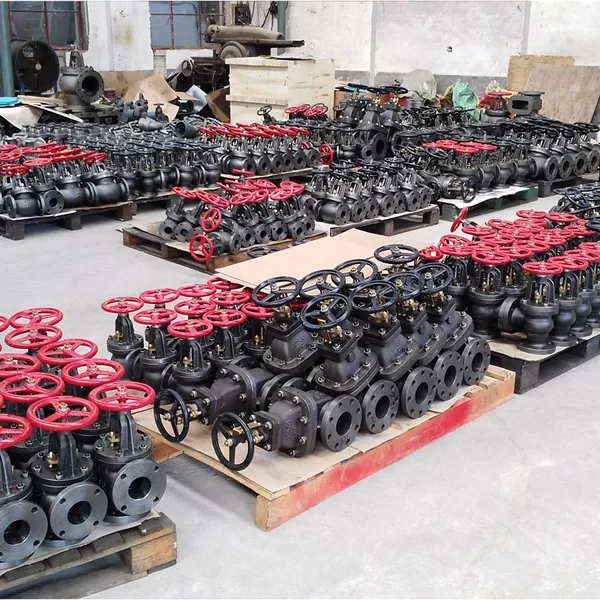 Read More
 -
The movement mode of gate valve
July 31, 2026When the gate valve is closed, the sealing surface can rely solely on the medium pressure to seal, that is, relying solely on the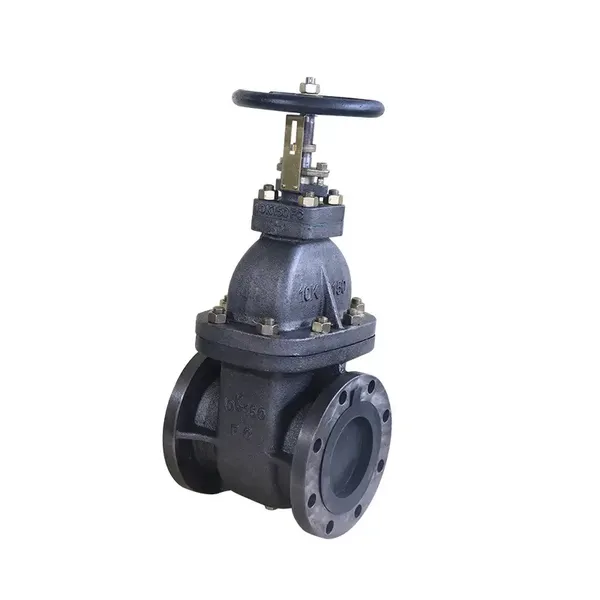 Read More

Contact Us
Recommended Products
-
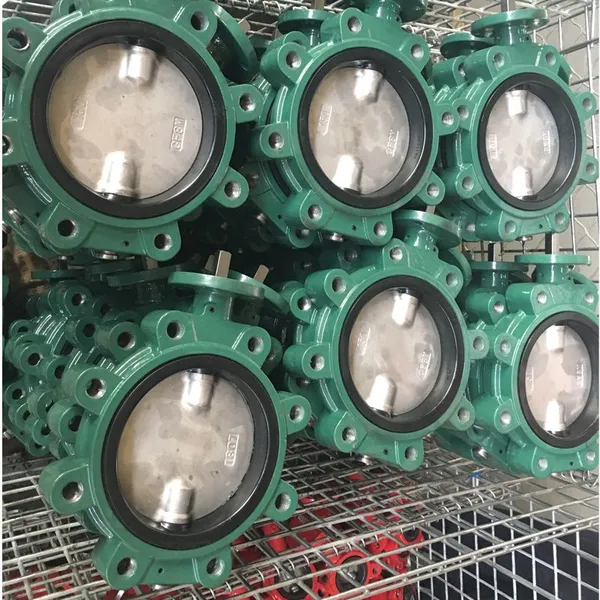
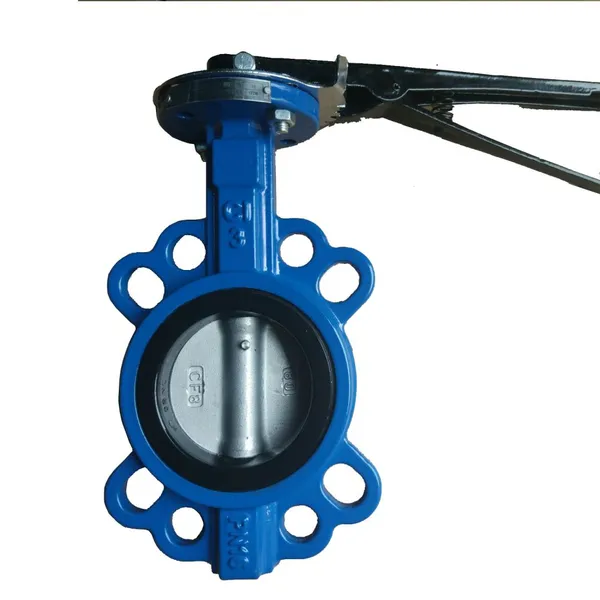
 ANSI Class 150 Lug/Wafer Butterfly Valve ASTM A126B Body API 609 Design ASME B16.42 Flange Industrial Pipeline Valve Manual/Worm/Electric OperatedUS$ 50 - 100MOQ: 9 Pieces
 -
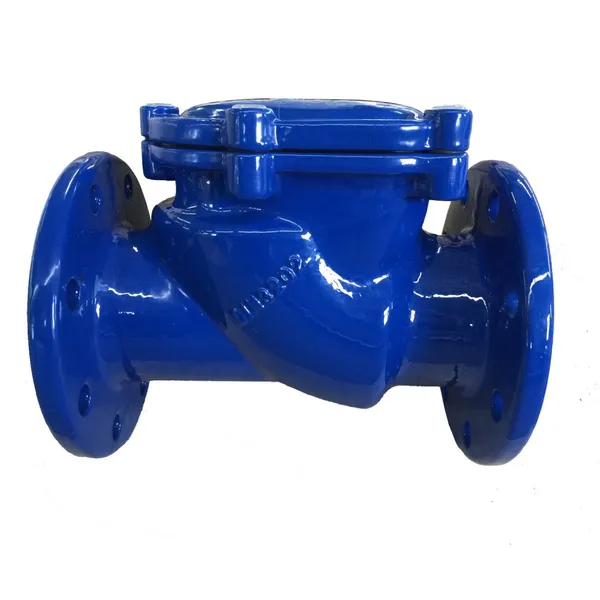
Certified DIN Swing Check Valve Meeting DIN3356 and ISO5208 Standards for Safe and Efficient OperationNegotiableMOQ: 1 Unit
-
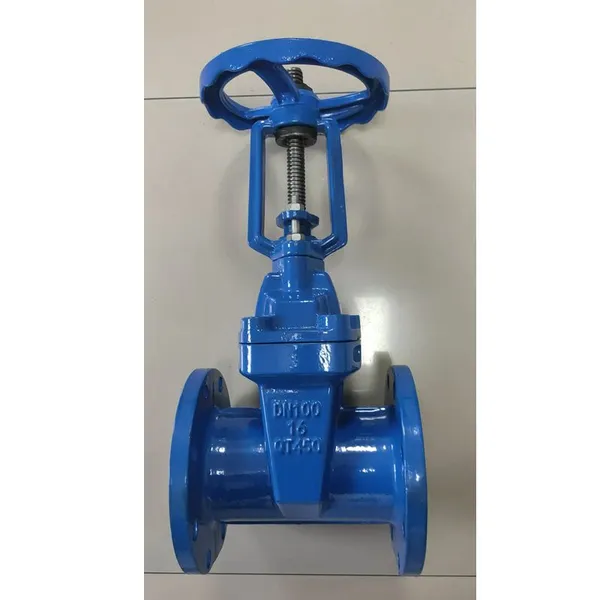
Made in China 150LB, 300LB, 600LB, 900LB BS Non- Rising Gate ValveNegotiableMOQ: 1 Piece
-
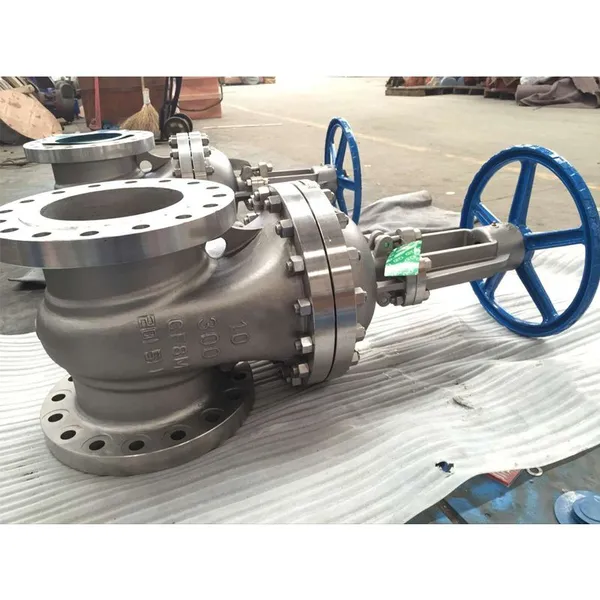
ANSI Stainless Steel Gate Valve API600 DN40–DN600 150LB–900LB Industrial Valve Flanged Gate Valve for Oil Gas WaterUS$ 50 - 1000MOQ: 1 Piece
-
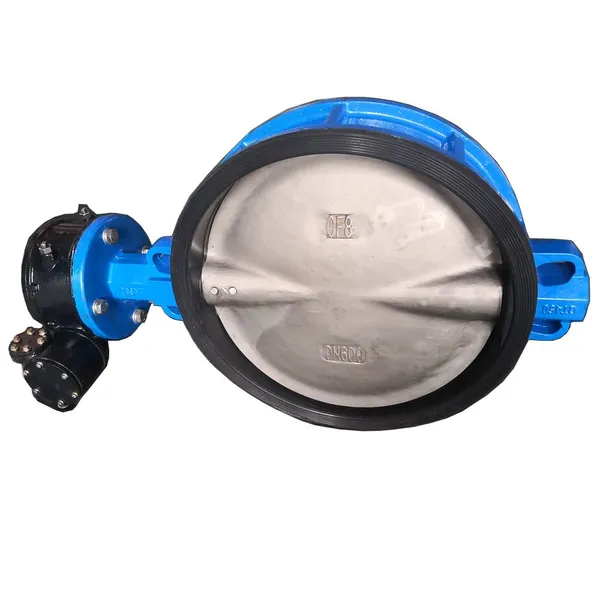
4" PN10 PN16 Butterfly Valve Flange BS Butterfly ValveNegotiableMOQ: 1 Piece
-
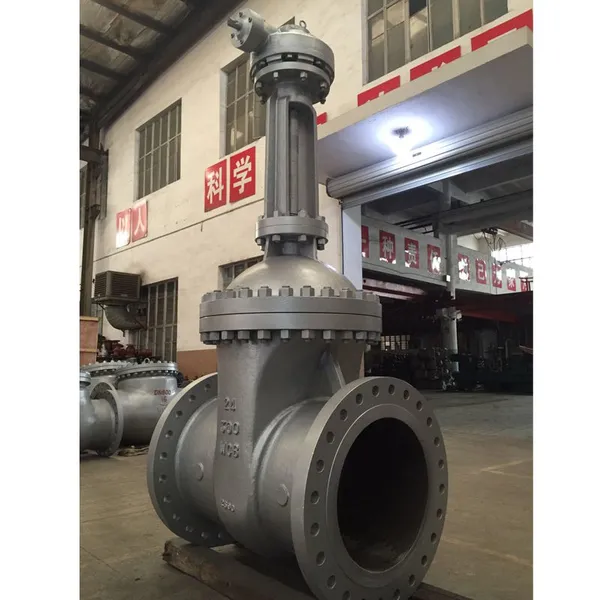
ANSI Cast Steel Gate Valve API 600/6D Standard 1/2"-40" DN15-DN1000 150LB-900LB WCB/CF8/CF8M Body Flanged End ASME B16.25 TestedUS$ 50 - 700MOQ: 1 Piece
-
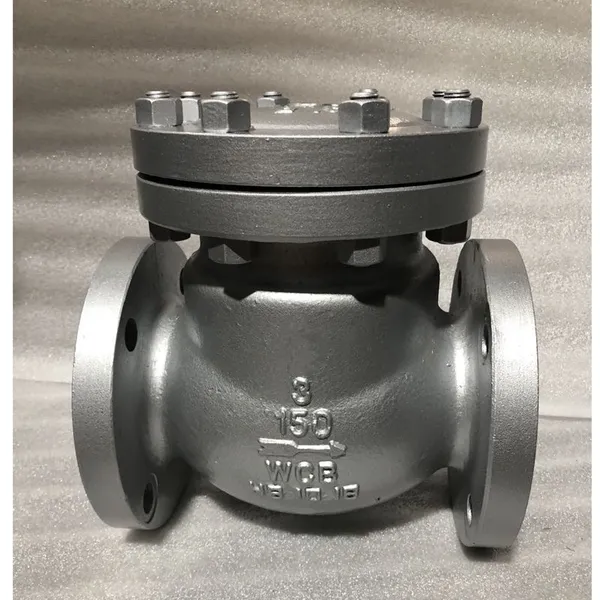
API Swing Check Valve BS 1868 Standard 2"-24" DN40-DN600 150LB-600LB ASTM A216 WCB Body Flanged End API 598 Tested Non-Return ValveUS$ 50 - 700MOQ: 1 Piece
-
Made in China DN40~DN1000 DIN Butterfly Valve With PinNegotiableMOQ: 1 Piece
-
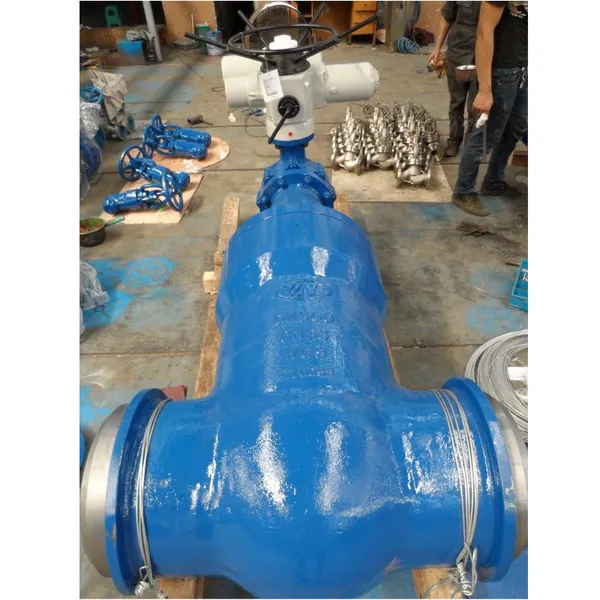
900LB API 600 Gate Valve ASME B16.34 2"-12" Flanged/Welded End MSS SP-61 Tested Factory DirectUS$ 100 - 1000MOQ: 1 Piece
-
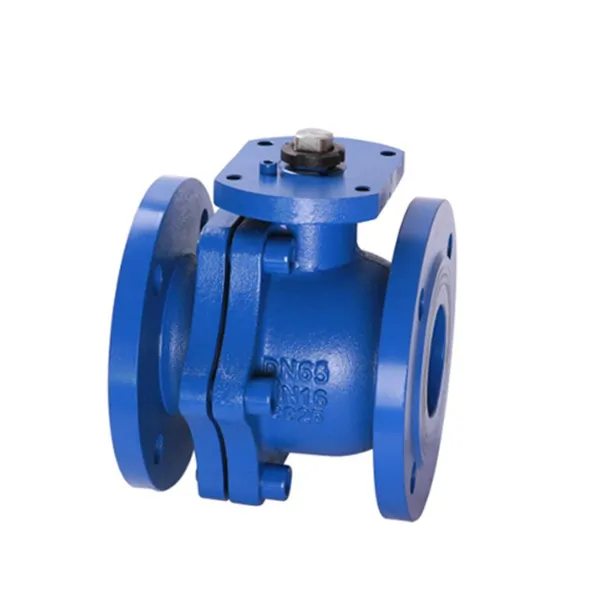
DN100 Cast Iron DIN Ball Valve PN16 Reliability ValveNegotiableMOQ: 1 Piece
-
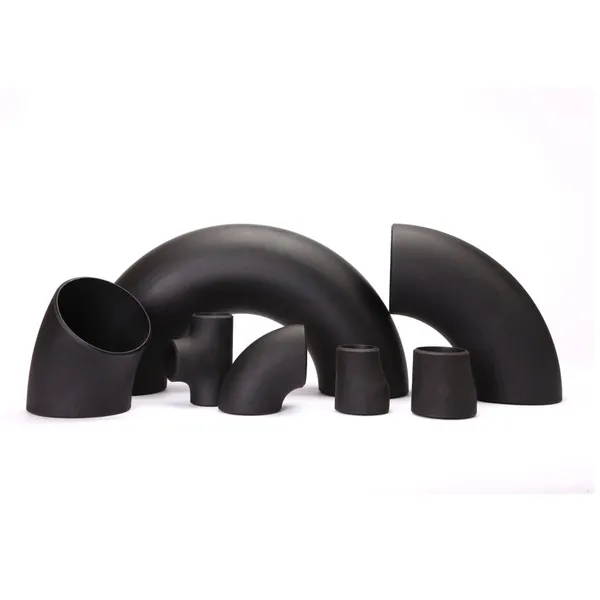
API ANSI B16.9/ASTM A234 Wp11 Lr 45/90 Degree DN200 Seamless Steel Pipe Fitting Forged Stainless Steel Seamless ElbowNegotiableMOQ: 1 Piece
-
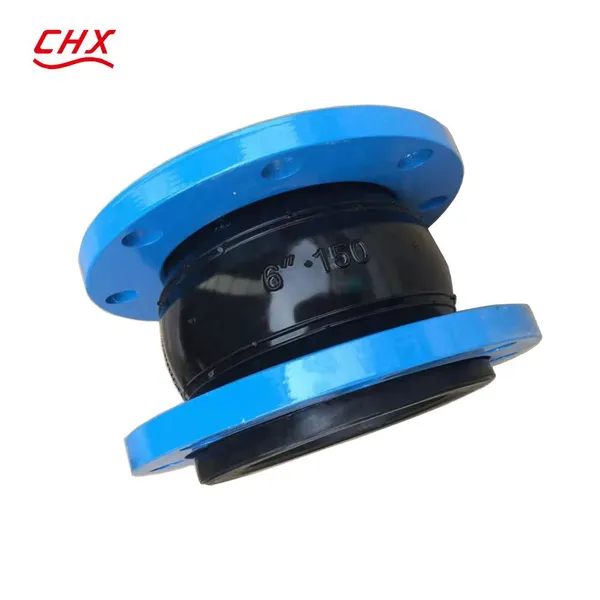
Universal Joints Single Sphere Carbon Steel Flexible Rubber Epdm Joint Expantion Reduction JointNegotiableMOQ: 1 Piece
-
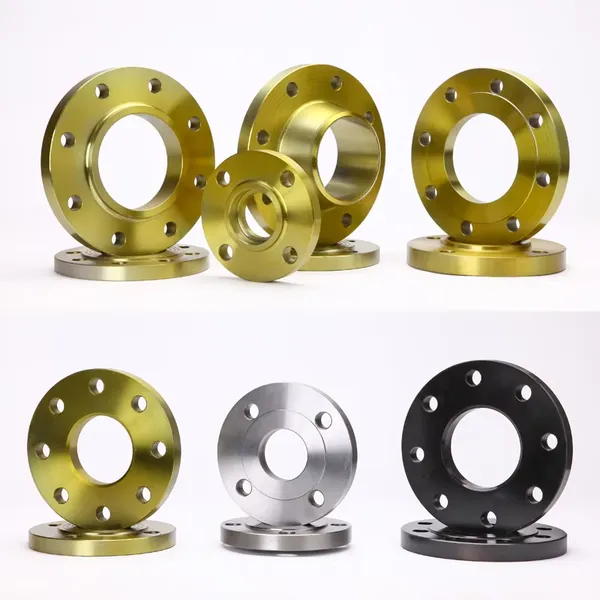
ANSI B16.5 Inlet Flange Forged Carbon/Stainless Steel Flanges Blind FlangeUS$ 39MOQ: 1 Piece
-
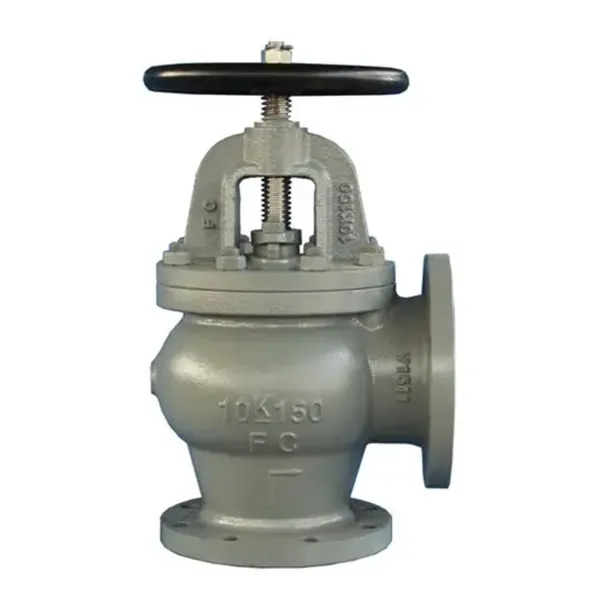
JIS Standard 5K Marine Valves JIS F7376 Cast Iron Cast Steel 10K Angle Check Valves Globe ValveUS$ 580.61 - 683.06MOQ: 1 Unit
-
ANSI Rising Stem Gate Valve Cast Iron Flanged Gate Valve 125LB/150LB MSS SP-70 API 598 DN50-DN1000 Flanged End Petroleum/Chemical IndustryUS$ 35 - 79MOQ: 1 Piece
-
ANSI/JIS DN80 3 Inch Ductile Iron Water Knife Gate Valve Wafer/Flange/Lug Type SS Plate Knife Gate ValveUS$ 551.73 - 689.66MOQ: 1 Piece
-
API 900lb Forged Steel High Quality Stainless Steel SS 316 F304L F22 Flange Type Bolt Bonnet Gate ValveUS$ 207.04 - 690.13MOQ: 1 Unit
-
DIN3352 Square Nut DN200 Ductile Iron GGG40 Double Socket End Gate Valve Used for PVC Pipes Swing Check ValveUS$ 138.03 - 345.07MOQ: 1 Unit
-
GOST GB Standard PN16 DN200 Rising Stem Ss321 GOST Electric Actuator Gate ValveUS$ 551.73 - 1379.32MOQ: 1 Unit
-
ANSI Cast Steel Globe Valve API 600/6D Standard 1/2"-24" (DN15-DN600) 150LB-900LB ASTM A216 WCB Body Flanged End Industrial Flow ControlUS$ 50 - 700MOQ: 1 Piece