
 Business License

How to use a lift-type valve
The method of using a lift-type valve varies depending on the specific application scenario and type. Preparations before use: Check the valve to ensure that it is in good condition, free from any damage or blockages caused by foreign objects, and verify that all components are securely connected. Steps for operating a lift-type valve: Locate the valve: Determine its exact position according to the layout of the equipment or system. Unlock and adjust: Some lift-type valves are equipped with locking mechanisms, which must be unlocked first. Then, rotate or press the handle, button, or knob of the valve gently to adjust the height or flow rate as required. Monitor and adjust: During the adjustment process, closely observe the flow of the medium or the movement of the equipment to ensure smooth operation without any interruptions. Precautions when using a lift-type valve: Ensure the correct direction: Make sure that the flow direction of the medium matches the direction indicated by the arrow on the valve to prevent disruption of the normal flow. Use appropriate force: Apply moderate force when adjusting the valve to avoid damage or accidents caused by excessive force. Regular maintenance: Clean and maintain the valve regularly to extend its service life and ensure safe use.
Recently Posted
-
Principle of lift-type valves
December 19, 2025The lift-type valve is an automatic valve that relies on the flow of the medium to automatically open and close the valve disc, th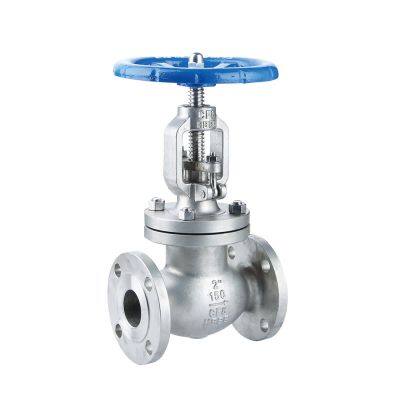 Read More
 -
Sewer valve check valve
December 19, 2025Sewer check valves can effectively prevent the backflow of sewage, the spread of unpleasant odors, and the invasion of mosquitoes,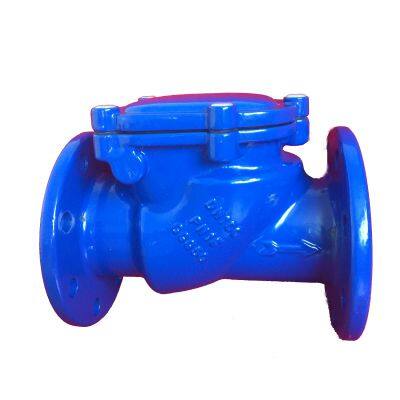 Read More
 -
How to install a sewer valve?
December 18, 2025Installing sewer valves requires following specific steps depending on the type of valve (such as check valves, flush valves, etc.
Read More -
Installation height of fire pump valves
December 18, 2025The installation height of valves in fire pump rooms must comply with the national standard GB50974-2014. The specific requirement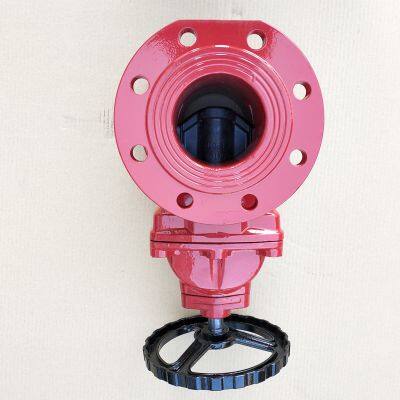 Read More

Contact Us
Recommended Products
-
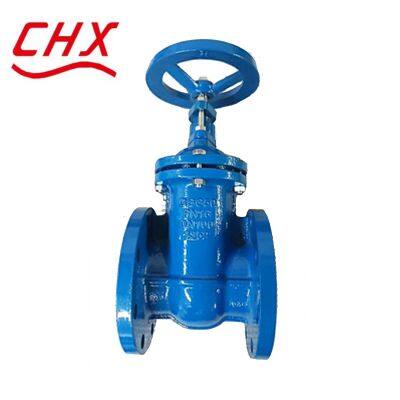
 DIN F4 Flange Gate Valve Cast Iron Body DN50-600 Material GGG40 GG25 GGG50 Resilient Seat for Water Control ApplicationsNegotiableMOQ: 100 Pieces
 -
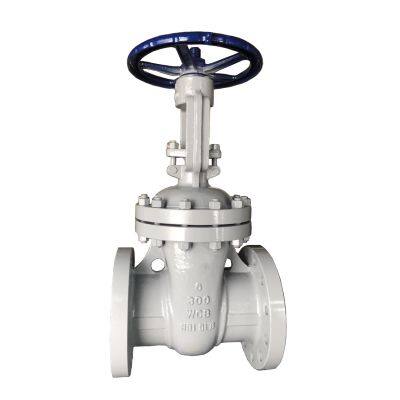
ANSI Rising Cast Steel WCB Flange High Pressure Gate ValveNegotiableMOQ: 100 Pieces
-
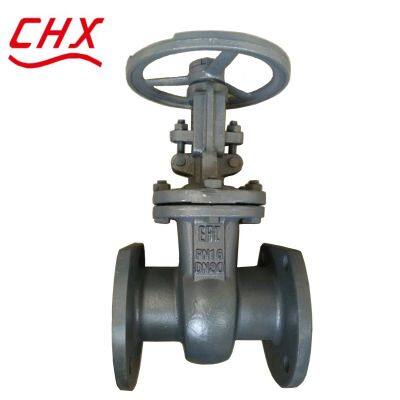
GOST Hard Seat Cast Iron Gate Valve, DN50-400 Size, PN10/PN16 Pressure, for Water Control ApplicationsNegotiableMOQ: 100 Pieces
-
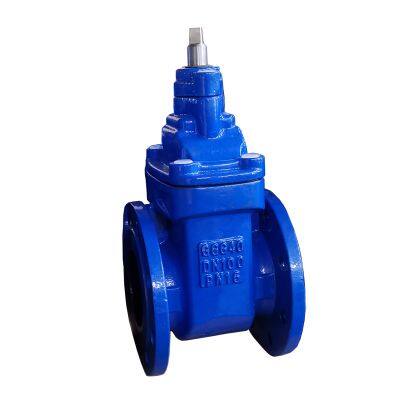
DIN3352 Compliant F4 Flange Pump Gate Valve PN10/PN16 Cast Iron Body for High Sealing PerformanceNegotiableMOQ: 100 Pieces
-
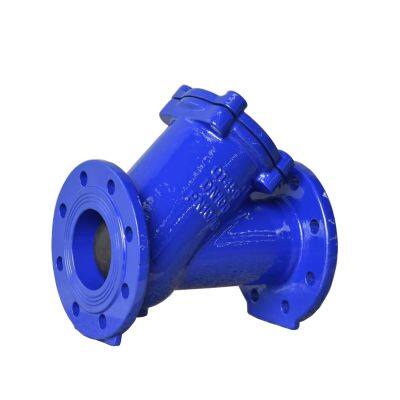
ANSI DN150 150LB Cast Iron Cast Steel WCB Strainer Flange Y-Type Strainer Stainless Steel Central Heating FilterNegotiableMOQ: 100 Pieces
-
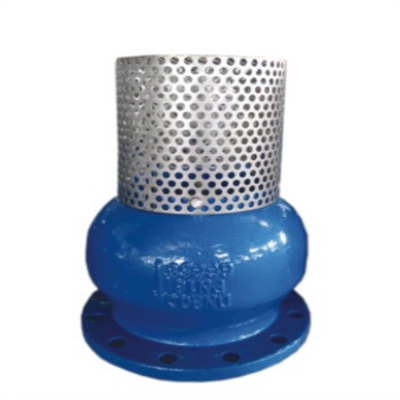
Wide Size Range ANSI Flanged Foot Valve, Ductile Iron, API 598 Tested, for High Sealing PerformanceNegotiableMOQ: 1 Piece
-
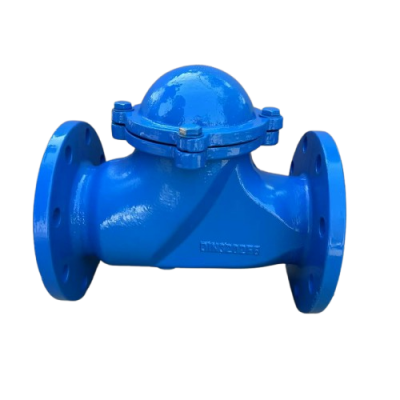
Float Valve DN100 PN25 High-Pressure Ball Type Non Return Valve Valvula Check Tipo WaferNegotiableMOQ: 100 Pieces
-
API 598 Certified Cast Steel Globe Valve for Oil/Gas Pipelines, Size 1/2" to 12" 300LB RatingNegotiableMOQ: 1 Piece
-
Industrial Globe Valve Shutoff Valves for ASME B16.5 Flanges Pressure Rated 150LB-300LBNegotiableMOQ: 1 Piece
-
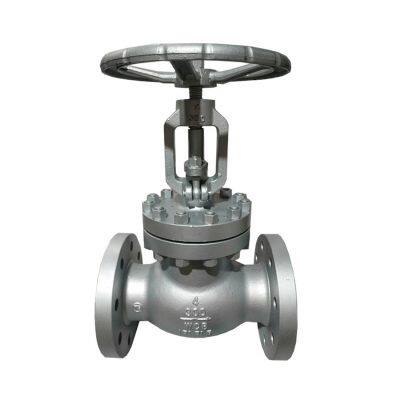
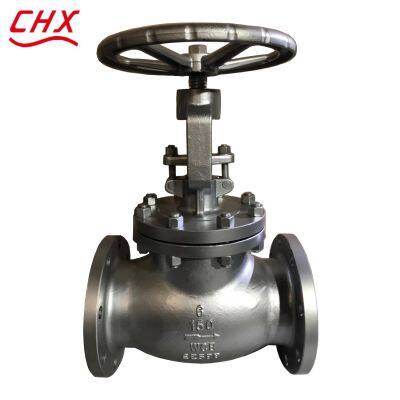
API 6D Certified Globe Valve With ASTM A216 WCB Body and Corrosion-Resistant Stem OptionsNegotiableMOQ: 1 Piece
-
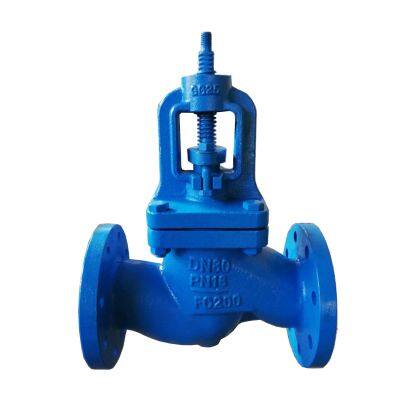
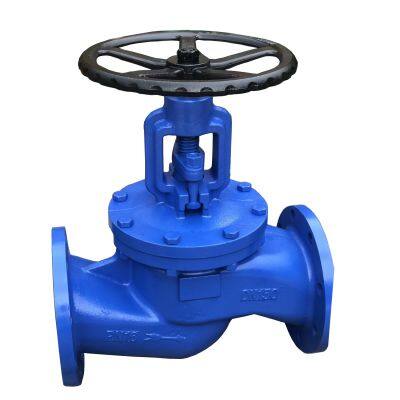
Reliable DIN Cast Iron Globe Valve With Brass Seat, PN16 Pressure Rating, DN50-250NegotiableMOQ: 1 Piece
-
DIN Standard Compliant Globe Valve for Flange Systems, Size Range DN50 to DN250NegotiableMOQ: 1 Piece
-
Durable Cast Iron ANSI Grooved Butterfly Valve, Manual/Worm/Electric Operation, NBR/EPDM Seat OptionsNegotiableMOQ: 1 Piece
-
ANSI Grooved End Butterfly Valve, AWWA C606 Flange Standard, Ideal for Water Treatment ApplicationsNegotiableMOQ: 1 Piece
-
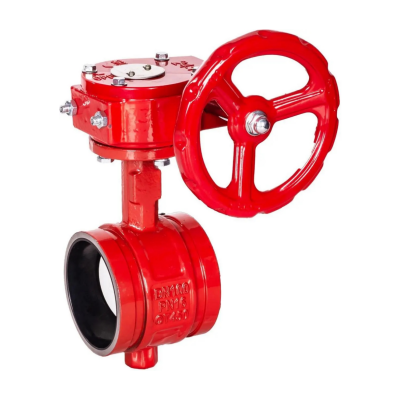
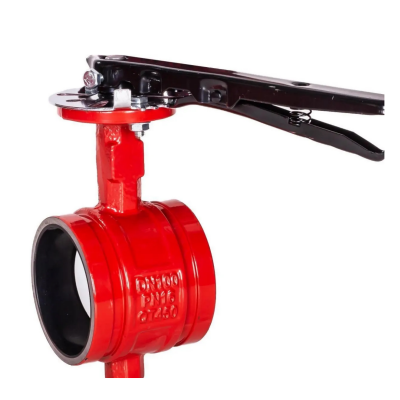
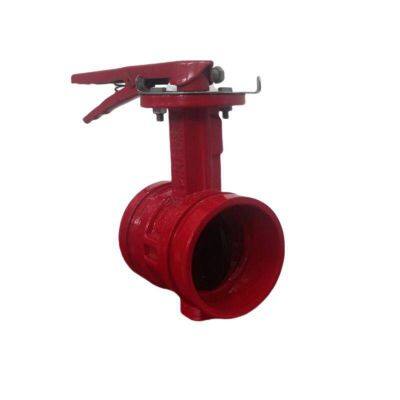
Manual Grooved End Cast Iron Butterfly Valve for Water Fire FightingNegotiableMOQ: 1 Piece
-
AWWA Butterfly Valve Grooved End Butterfly Valve for Industrial Use ANSI Full Lift Safety FlangNegotiableMOQ: 1 Piece
-
Multi-Drive BS 5155 Flange Butterfly Valve for General Industry Applications, DN50 to DN800 RangeNegotiableMOQ: 1 Piece
-
BS 5155 Butterfly Valve Meeting BS4504/EN1092-2 and API 598 StandardsNegotiableMOQ: 1 Piece
-
ANSI B16.1 Compatible Strainer Featuring Ductile Iron Body and Cast Iron Bonnet, Size 1/2"-24"NegotiableMOQ: 1 Piece
-
Industrial-Grade Cast Iron Strainer With SS304 Screen for Pipeline Filtration SystemsNegotiableMOQ: 1 Piece