
 Business License

ANSI American Standard for Valves
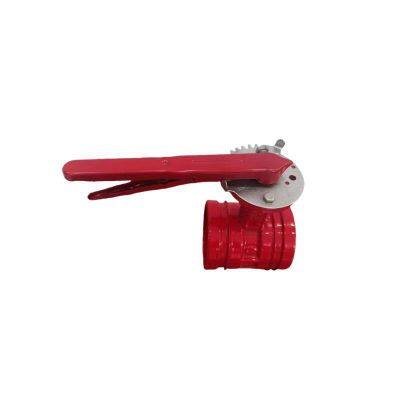
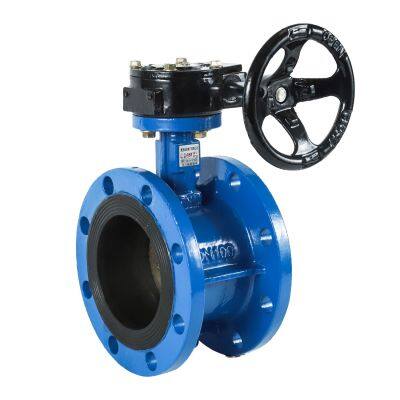
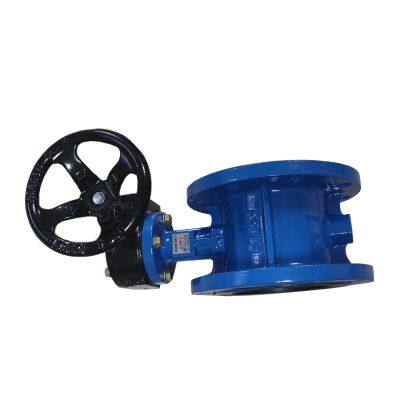
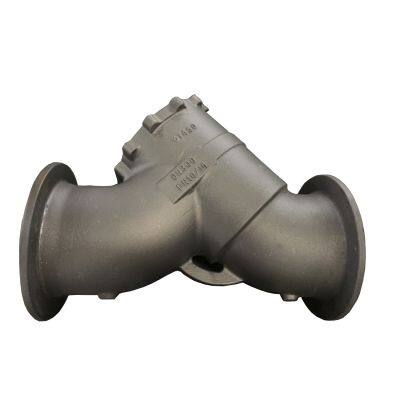
American standard valves are industrial valves that are designed, manufactured, and tested in accordance with American standards (API, ASME). The materials used meet ASTM standards, and these valves are primarily used in fluid control systems in the petroleum, chemical, energy, and other industries [1-2]. Their core functions include shutting off, regulating, directing flow, stabilizing pressure, and preventing backflow. The applicable media include steam, oils, corrosive liquids, and more.
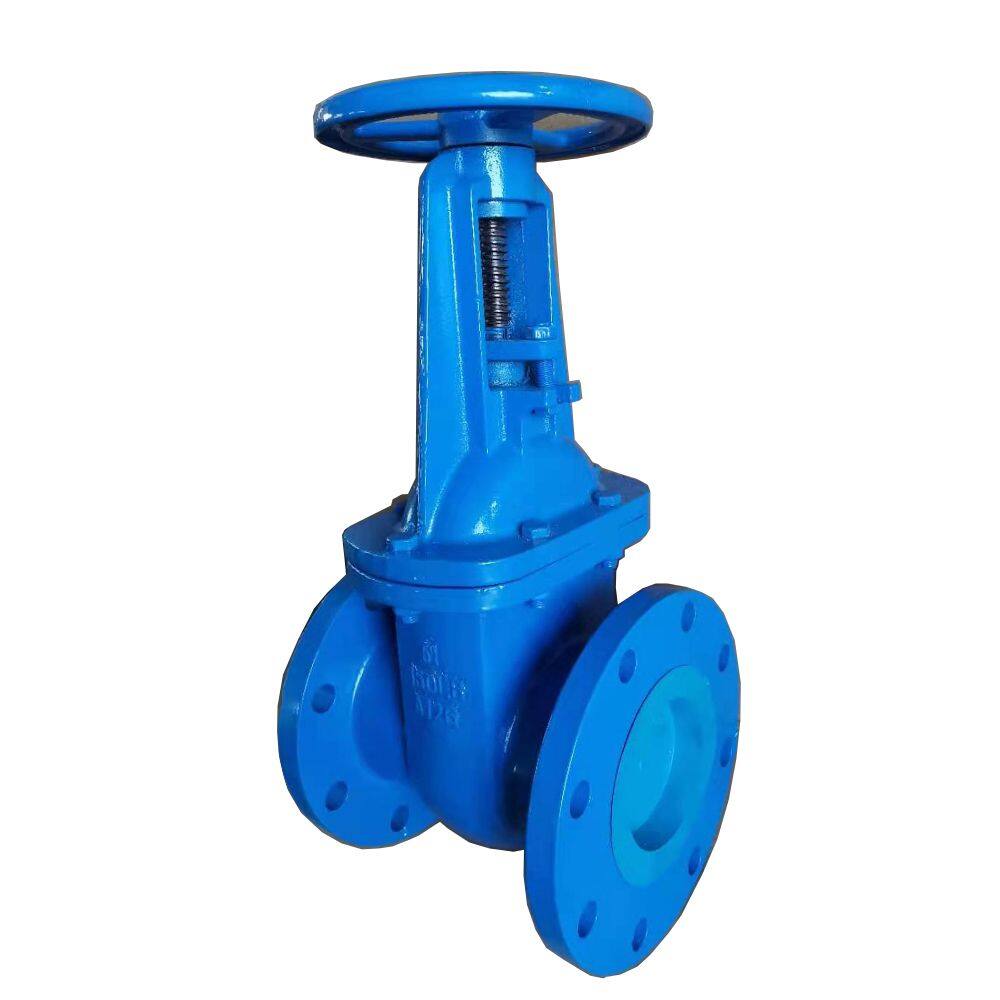
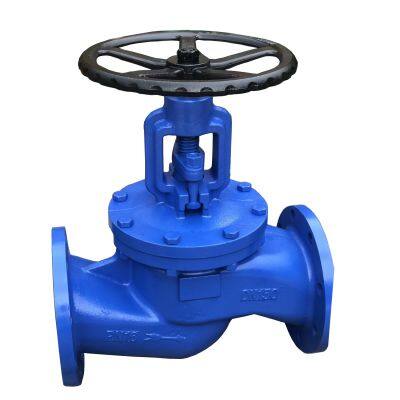
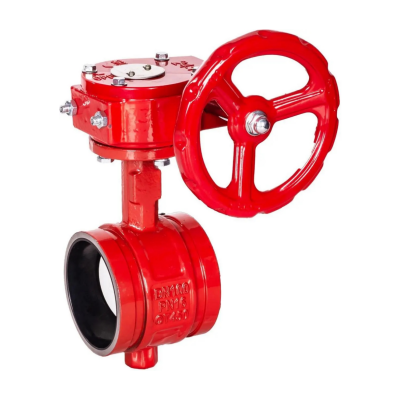
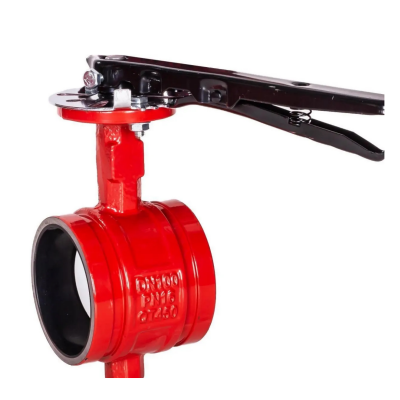
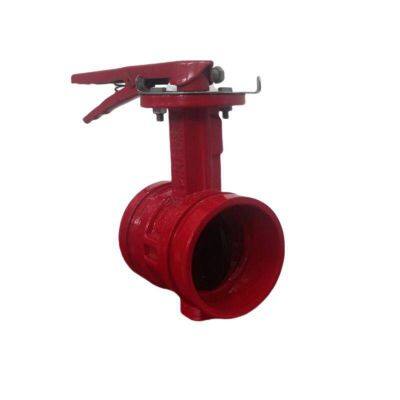
The types of American standard valves include gate valves, butterfly valves, globe valves, etc. Their structural design is suitable for high-temperature, high-pressure, and complex operating conditions. The pressure ratings range from 150 pounds to 2500 pounds, and the operating temperatures can reach up to 550°C. The production process complies with specifications such as API 600 and API 602. The flange connections are in accordance with ASME B16.5 standards, and the sealing performance is tested in accordance with API 598. The driving methods include manual, electric, and pneumatic operations. Some valves utilize cemented carbide sealing surfaces and nitrided valve stem technology to enhance their wear resistance and corrosion resistance.

Recently Posted
-
Installation of the range hood check valve
December 17, 2025Preparations before installing the range hood check valve: Tools and materials are essential for a successful installation and sho Read More
 -
Installation of the range hood check valve
December 17, 2025Preparations before installing the range hood check valve: Tools and materials are essential for a successful installation and sho Read More
 -
The function of the check valve in the range hood
December 17, 2025A check valve is a device installed in household exhaust ducts, primarily consisting of components such as the valve body, rocker,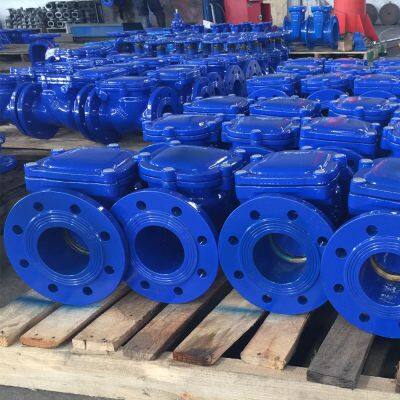 Read More
 -
Working principle of the knife gate valve
December 16, 2025The gate valve is a type of valve that controls the flow of fluids by moving a gate up and down. Its working principle involves us Read More

Contact Us
Recommended Products
-
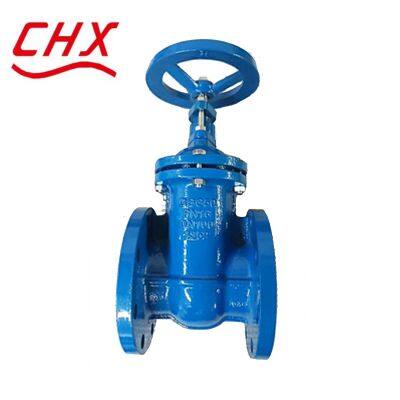
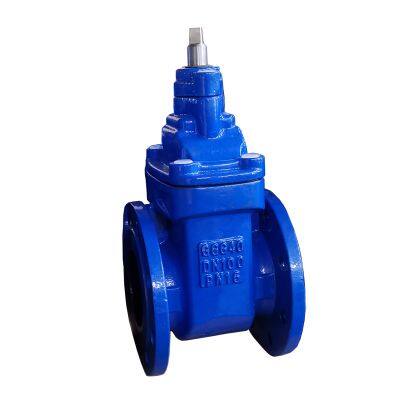
 DIN F4 Flange Gate Valve Cast Iron Body DN50-600 Material GGG40 GG25 GGG50 Resilient Seat for Water Control ApplicationsNegotiableMOQ: 100 Pieces
 -
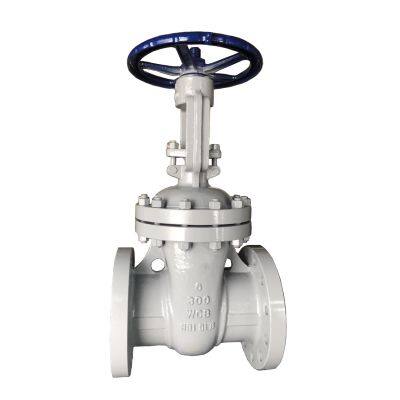
ANSI Rising Cast Steel WCB Flange High Pressure Gate ValveNegotiableMOQ: 100 Pieces
-
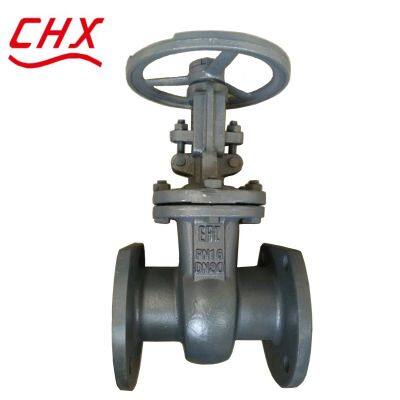
GOST Hard Seat Cast Iron Gate Valve, DN50-400 Size, PN10/PN16 Pressure, for Water Control ApplicationsNegotiableMOQ: 100 Pieces
-
DIN3352 Compliant F4 Flange Pump Gate Valve PN10/PN16 Cast Iron Body for High Sealing PerformanceNegotiableMOQ: 100 Pieces
-
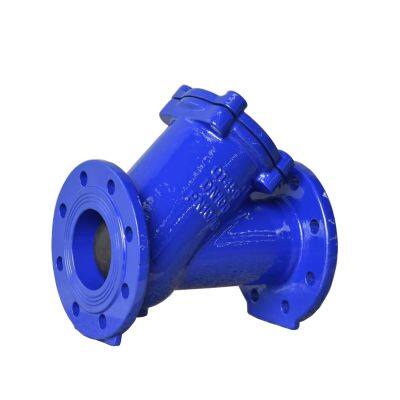
ANSI DN150 150LB Cast Iron Cast Steel WCB Strainer Flange Y-Type Strainer Stainless Steel Central Heating FilterNegotiableMOQ: 100 Pieces
-
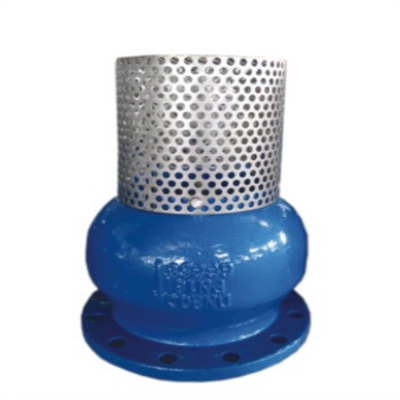
Wide Size Range ANSI Flanged Foot Valve, Ductile Iron, API 598 Tested, for High Sealing PerformanceNegotiableMOQ: 1 Piece
-
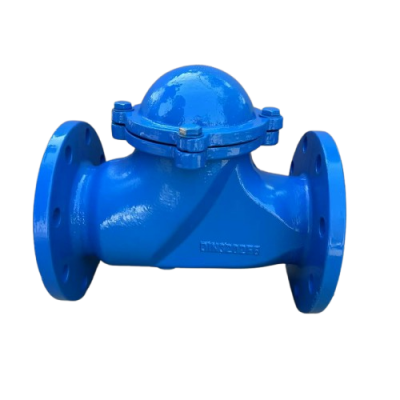
Float Valve DN100 PN25 High-Pressure Ball Type Non Return Valve Valvula Check Tipo WaferNegotiableMOQ: 100 Pieces
-
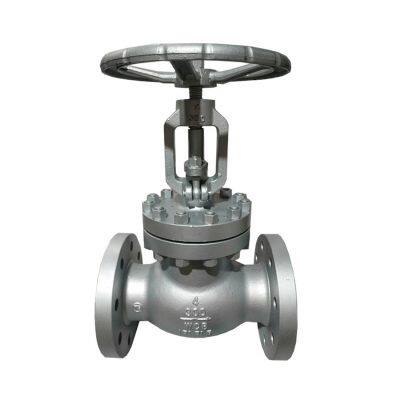
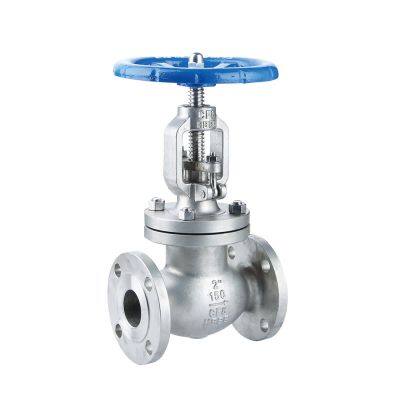
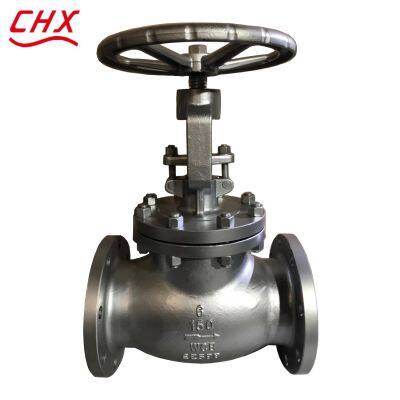
API 598 Certified Cast Steel Globe Valve for Oil/Gas Pipelines, Size 1/2" to 12" 300LB RatingNegotiableMOQ: 1 Piece
-
Industrial Globe Valve Shutoff Valves for ASME B16.5 Flanges Pressure Rated 150LB-300LBNegotiableMOQ: 1 Piece
-
API 6D Certified Globe Valve With ASTM A216 WCB Body and Corrosion-Resistant Stem OptionsNegotiableMOQ: 1 Piece
-
Reliable DIN Cast Iron Globe Valve With Brass Seat, PN16 Pressure Rating, DN50-250NegotiableMOQ: 1 Piece
-
DIN Standard Compliant Globe Valve for Flange Systems, Size Range DN50 to DN250NegotiableMOQ: 1 Piece
-
Durable Cast Iron ANSI Grooved Butterfly Valve, Manual/Worm/Electric Operation, NBR/EPDM Seat OptionsNegotiableMOQ: 1 Piece
-
ANSI Grooved End Butterfly Valve, AWWA C606 Flange Standard, Ideal for Water Treatment ApplicationsNegotiableMOQ: 1 Piece
-
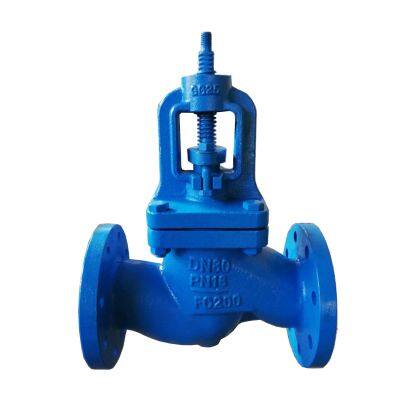
Manual Grooved End Cast Iron Butterfly Valve for Water Fire FightingNegotiableMOQ: 1 Piece
-
AWWA Butterfly Valve Grooved End Butterfly Valve for Industrial Use ANSI Full Lift Safety FlangNegotiableMOQ: 1 Piece
-
Multi-Drive BS 5155 Flange Butterfly Valve for General Industry Applications, DN50 to DN800 RangeNegotiableMOQ: 1 Piece
-
BS 5155 Butterfly Valve Meeting BS4504/EN1092-2 and API 598 StandardsNegotiableMOQ: 1 Piece
-
ANSI B16.1 Compatible Strainer Featuring Ductile Iron Body and Cast Iron Bonnet, Size 1/2"-24"NegotiableMOQ: 1 Piece
-
Industrial-Grade Cast Iron Strainer With SS304 Screen for Pipeline Filtration SystemsNegotiableMOQ: 1 Piece