
 Business License

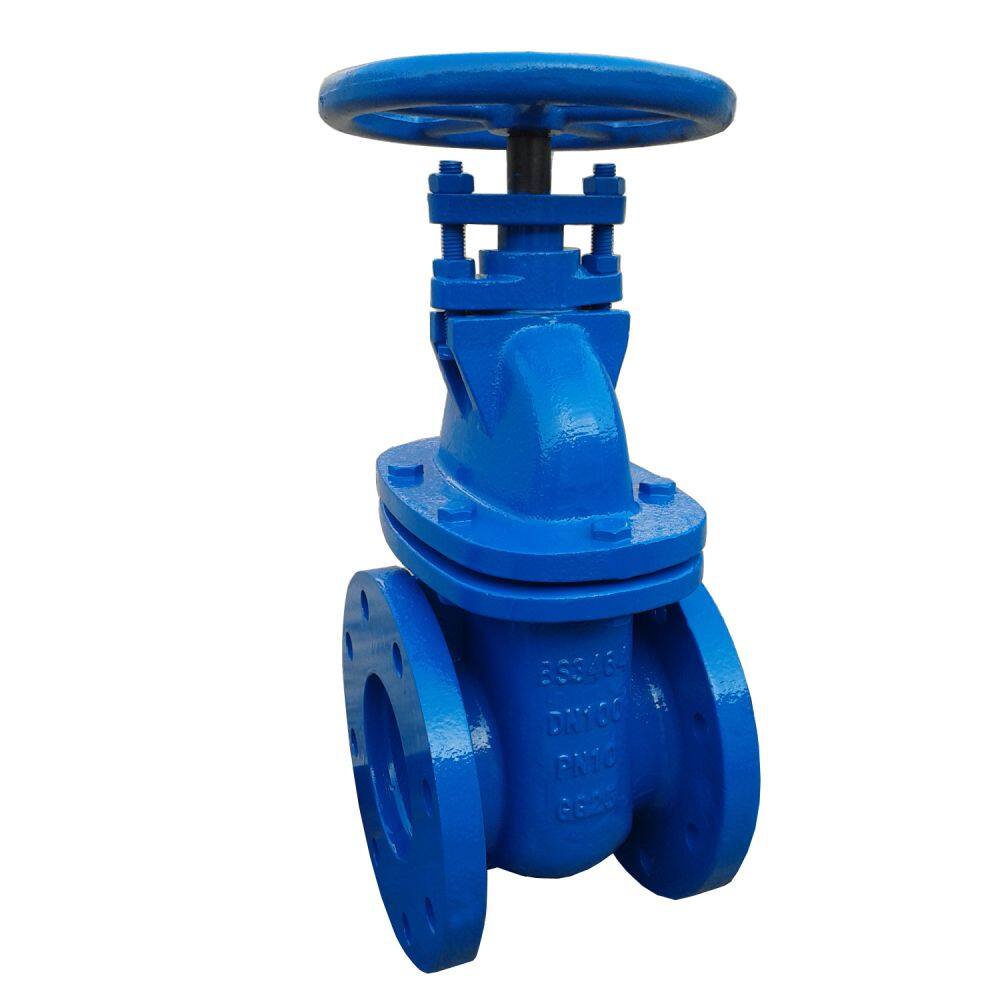
How to install a hard-sealed ductile iron valve?
The installation of hard-sealed ductile iron valves requires following a series of steps and precautions to ensure their sealing performance, operational flexibility, and long-term reliability.
Preparations before installing hard-sealed ductile iron valves:
- Check the valve and pipes: Before installation, carefully verify that the valve model, specifications, and orientation match the design requirements. Inspect whether the valve body, seals, and other components are in good condition, and clean the interior of the valve and the sealing surfaces to prevent impurities from affecting the sealing performance.
- Confirm the installation environment: Ensure that the installation location is clean and dry, with sufficient space for operation and maintenance. The valve should be installed in its intended operating position, with easy access for future maintenance.
Steps for installing hard-sealed ductile iron valves:
- Positioning and alignment: Place the valve in the designated location, ensuring that the inlet and outlet directions match the design of the piping system. For hard-sealed ball valves, the flow direction of the medium must correspond to the arrow indicated on the valve body to optimize sealing and flow performance.
- If the valve is equipped with a handwheel or actuator, pay attention to the direction of the handle (for example, the handle of a valve on insulated pipes should not face downward).
- Connecting the pipes:
- For flange connections, align the pipe flanges with the valve body flanges, insert the gasket (such as rubber or metal washers), and tighten them evenly using bolts. Apply force in a crosswise and step-by-step manner to prevent the gasket from shifting or being damaged.
- For socket or welding connections (such as with ductile iron pipes), clean the socket and spigot, correctly install the seal (such as a rubber ring), and use a lubricant to reduce friction. When welding, keep the valve slightly open to prevent thermal stress from damaging the sealing surface.
- Fixing and adjustment: Ensure that the valve is properly aligned with the pipes, avoiding forced bending or twisting. After installation, manually operate the valve to check that it moves smoothly without any obstruction. Adjust the valve opening to meet the design requirements.
Testing and maintenance after installing hard-sealed ductile iron valves:
- Pressure testing: After installation, conduct strength and tightness tests. The strength test pressure is generally 1.5 times the nominal pressure, and no leakage after 5 minutes indicates compliance. The tightness test pressure is 1.1 times the nominal pressure, and check that there is no leakage at the valve seat sealing surface.
- Lubrication and inspection: Regularly lubricate moving parts (such as the valve stem) and inspect the wear of the sealing surfaces. In cases of long-term storage or in high-temperature environments, take precautions to prevent bolt loosening due to thermal expansion or to apply rust prevention measures.
Precautions:
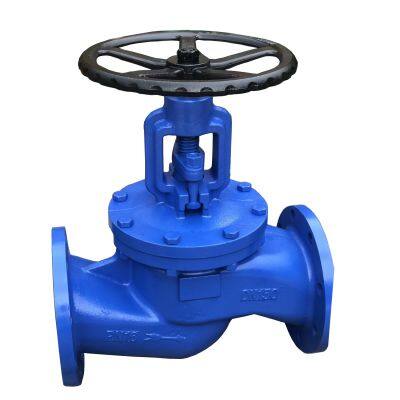
- Directionality: Ball valves usually do not have strict directional restrictions, but it is recommended to install them according to the flow direction of the medium for easier maintenance. Directional valves such as globe valves must be installed strictly in accordance with the arrow direction.
- Safe operation: Avoid subjecting the valve to additional stress, and use the designated lifting points when lifting it. Do not use levers during operation to prevent damage to the valve stem.
- Special environments: In low-temperature or high-temperature pipelines, consider the effects of thermal expansion and contraction, and perform cold or hot commissioning if necessary.
Recently Posted
-
Internal structure of the cast iron water pump gate valve
December 22, 2025The internal structure of a cast iron gate valve mainly consists of the following key components, which work together to enable th Read More
 -
The function of the cast iron water pump gate valve
December 22, 2025Cast iron water pump gate valves are primarily used in the pipelines of water pump systems, serving as shut-off valves to control Read More
 -
How to use a lift-type valve
December 19, 2025The method of using a lift-type valve varies depending on the specific application scenario and type. Preparations before use: Che Read More
 -
Principle of lift-type valves
December 19, 2025The lift-type valve is an automatic valve that relies on the flow of the medium to automatically open and close the valve disc, th Read More

Contact Us
Recommended Products
-
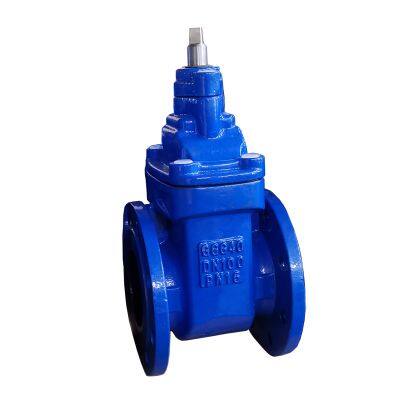
 DIN F4 Flange Gate Valve Cast Iron Body DN50-600 Material GGG40 GG25 GGG50 Resilient Seat for Water Control ApplicationsNegotiableMOQ: 100 Pieces
 -
ANSI Rising Cast Steel WCB Flange High Pressure Gate ValveNegotiableMOQ: 100 Pieces
-
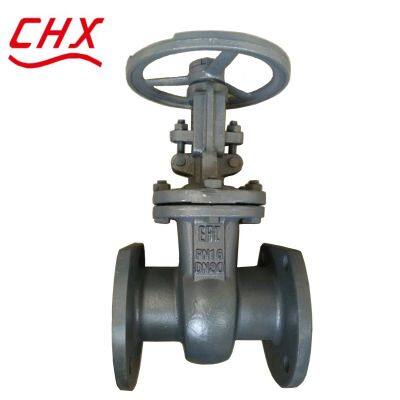
GOST Hard Seat Cast Iron Gate Valve, DN50-400 Size, PN10/PN16 Pressure, for Water Control ApplicationsNegotiableMOQ: 100 Pieces
-
DIN3352 Compliant F4 Flange Pump Gate Valve PN10/PN16 Cast Iron Body for High Sealing PerformanceNegotiableMOQ: 100 Pieces
-
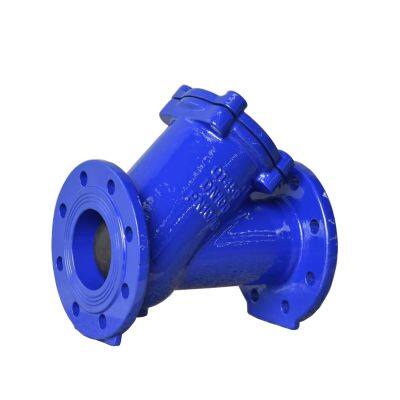
ANSI DN150 150LB Cast Iron Cast Steel WCB Strainer Flange Y-Type Strainer Stainless Steel Central Heating FilterNegotiableMOQ: 100 Pieces
-
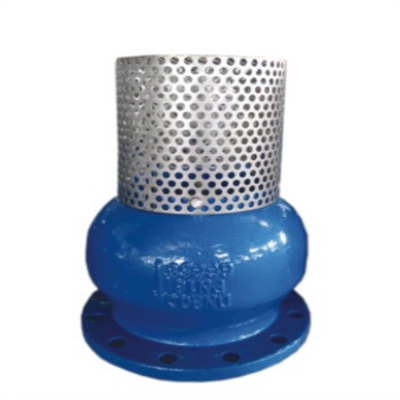
Wide Size Range ANSI Flanged Foot Valve, Ductile Iron, API 598 Tested, for High Sealing PerformanceNegotiableMOQ: 1 Piece
-
Float Valve DN100 PN25 High-Pressure Ball Type Non Return Valve Valvula Check Tipo WaferNegotiableMOQ: 100 Pieces
-
API 598 Certified Cast Steel Globe Valve for Oil/Gas Pipelines, Size 1/2" to 12" 300LB RatingNegotiableMOQ: 1 Piece
-
Industrial Globe Valve Shutoff Valves for ASME B16.5 Flanges Pressure Rated 150LB-300LBNegotiableMOQ: 1 Piece
-
API 6D Certified Globe Valve With ASTM A216 WCB Body and Corrosion-Resistant Stem OptionsNegotiableMOQ: 1 Piece
-
Reliable DIN Cast Iron Globe Valve With Brass Seat, PN16 Pressure Rating, DN50-250NegotiableMOQ: 1 Piece
-
DIN Standard Compliant Globe Valve for Flange Systems, Size Range DN50 to DN250NegotiableMOQ: 1 Piece
-
Durable Cast Iron ANSI Grooved Butterfly Valve, Manual/Worm/Electric Operation, NBR/EPDM Seat OptionsNegotiableMOQ: 1 Piece
-
ANSI Grooved End Butterfly Valve, AWWA C606 Flange Standard, Ideal for Water Treatment ApplicationsNegotiableMOQ: 1 Piece
-
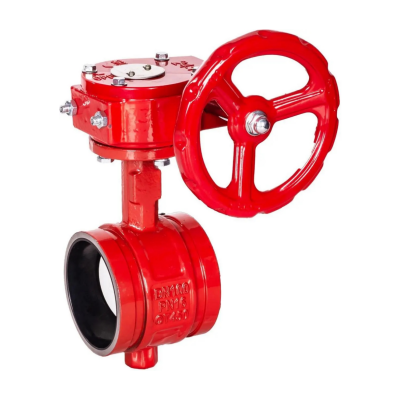
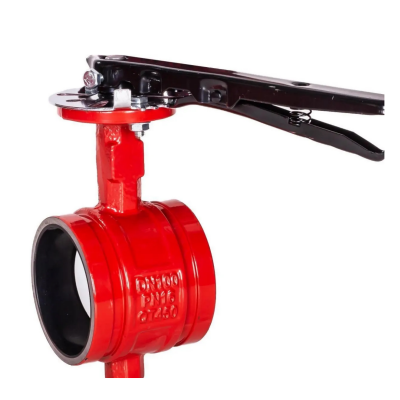
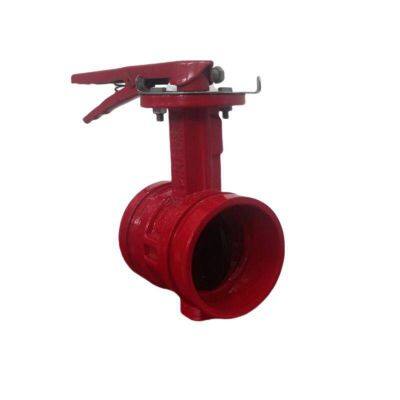
Manual Grooved End Cast Iron Butterfly Valve for Water Fire FightingNegotiableMOQ: 1 Piece
-
AWWA Butterfly Valve Grooved End Butterfly Valve for Industrial Use ANSI Full Lift Safety FlangNegotiableMOQ: 1 Piece
-
Multi-Drive BS 5155 Flange Butterfly Valve for General Industry Applications, DN50 to DN800 RangeNegotiableMOQ: 1 Piece
-
BS 5155 Butterfly Valve Meeting BS4504/EN1092-2 and API 598 StandardsNegotiableMOQ: 1 Piece
-
ANSI B16.1 Compatible Strainer Featuring Ductile Iron Body and Cast Iron Bonnet, Size 1/2"-24"NegotiableMOQ: 1 Piece
-
Industrial-Grade Cast Iron Strainer With SS304 Screen for Pipeline Filtration SystemsNegotiableMOQ: 1 Piece