
 Business License

Internal structure of the cast iron water pump gate valve
The internal structure of a cast iron gate valve mainly consists of the following key components, which work together to enable the valve to open, close, and maintain a seal:
**Valve body**: Serving as the main structure of the valve, the valve body is the essential component for installing the valve cover, accommodating the valve seat, and connecting to the pipelines. It is typically made of cast iron materials such as gray cast iron or ductile iron, which provide good strength and corrosion resistance.
**Valve cover**: Combined with the valve body, it forms a pressure-resistant cavity and contains the packing gland, which holds the packing to ensure a seal. The valve cover is also connected to the support bracket and the gland, providing structural support.
**Valve stem**: It connects the operating mechanism (such as a handwheel or an electric actuator) to the gate plate, transmitting the operating torque through rotational or linear motion to control the opening and closing of the gate plate. Valve stems can be divided into exposed stem and concealed stem types.
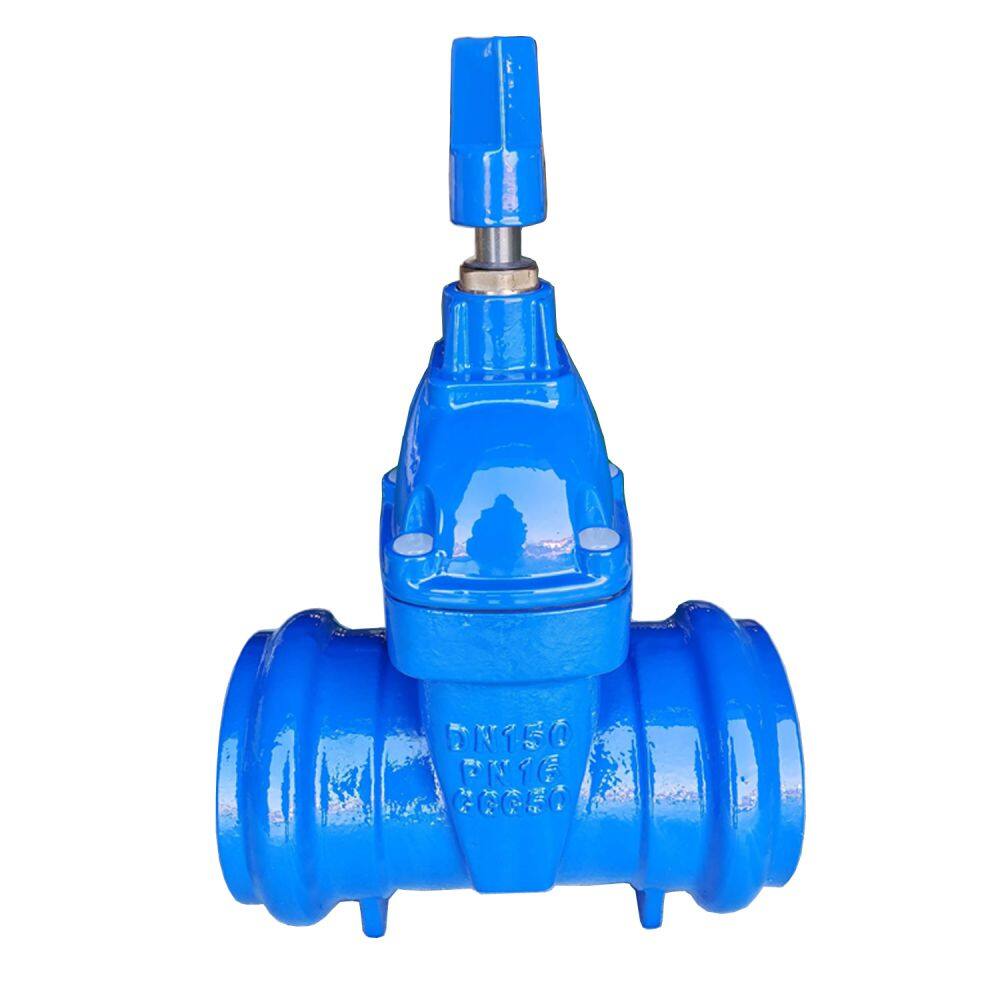
**Gate plate**: As the component that opens and closes the valve, the gate plate moves perpendicular to the flow direction to block or allow the passage of fluid. It can be designed in wedge-shaped configurations (such as single-gate, double-gate, or elastic gate plates) or parallel configurations (also with single or double gate plates) to suit various operating conditions.
**Valve seat**: Fixed on the valve body, it forms a sealing pair with the gate plate. Valve seats are usually made of stainless steel, cemented carbide, or elastic materials (such as rubber or PTFE) to enhance wear resistance and sealing reliability.
**Packing and packing gland**: The packing is installed inside the packing gland and compressed by the packing gland to seal the gap between the valve stem and the valve cover, preventing the leakage of the medium.
**Support bracket and valve stem nut**: The support bracket supports the valve stem and the operating mechanism, while the valve stem nut connects to the actuator, converting external power into the linear motion of the gate plate.
In addition, some modern cast iron gate valve designs also incorporate optimized features such as **integrated rubber-coated gate plates** (which enhance sealing performance and durability) and **flat-bottomed valve seats** (which reduce the accumulation of debris and improve fluid flow efficiency). These components collectively ensure the high efficiency and reliability of the gate valve in fluid control applications.
Recently Posted
-
The function of the cast iron water pump gate valve
December 22, 2025Cast iron water pump gate valves are primarily used in the pipelines of water pump systems, serving as shut-off valves to control Read More
 -
How to install a hard-sealed ductile iron valve?
December 22, 2025The installation of hard-sealed ductile iron valves requires following a series of steps and precautions to ensure their sealing p Read More
 -
How to use a lift-type valve
December 19, 2025The method of using a lift-type valve varies depending on the specific application scenario and type. Preparations before use: Che
Read More -
Principle of lift-type valves
December 19, 2025The lift-type valve is an automatic valve that relies on the flow of the medium to automatically open and close the valve disc, th Read More

Contact Us
Recommended Products
-
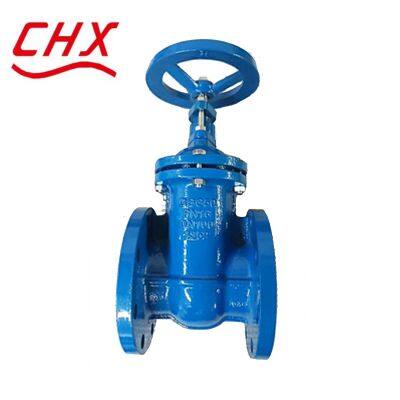
 DIN F4 Flange Gate Valve Cast Iron Body DN50-600 Material GGG40 GG25 GGG50 Resilient Seat for Water Control ApplicationsNegotiableMOQ: 100 Pieces
 -
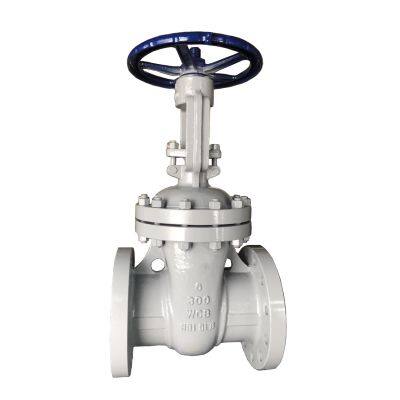
ANSI Rising Cast Steel WCB Flange High Pressure Gate ValveNegotiableMOQ: 100 Pieces
-
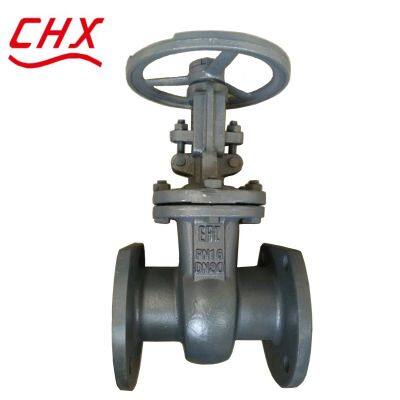
GOST Hard Seat Cast Iron Gate Valve, DN50-400 Size, PN10/PN16 Pressure, for Water Control ApplicationsNegotiableMOQ: 100 Pieces
-
DIN3352 Compliant F4 Flange Pump Gate Valve PN10/PN16 Cast Iron Body for High Sealing PerformanceNegotiableMOQ: 100 Pieces
-
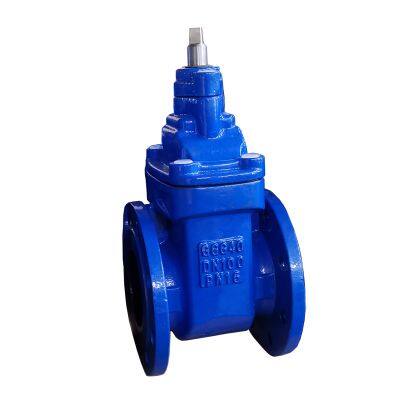
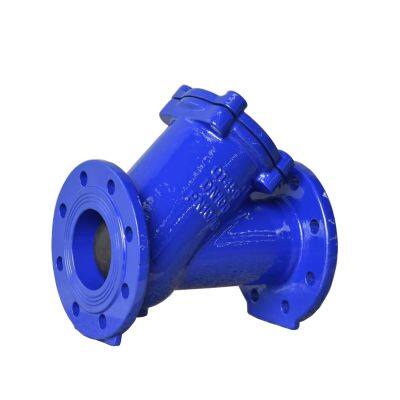
ANSI DN150 150LB Cast Iron Cast Steel WCB Strainer Flange Y-Type Strainer Stainless Steel Central Heating FilterNegotiableMOQ: 100 Pieces
-
Wide Size Range ANSI Flanged Foot Valve, Ductile Iron, API 598 Tested, for High Sealing PerformanceNegotiableMOQ: 1 Piece
-
Float Valve DN100 PN25 High-Pressure Ball Type Non Return Valve Valvula Check Tipo WaferNegotiableMOQ: 100 Pieces
-
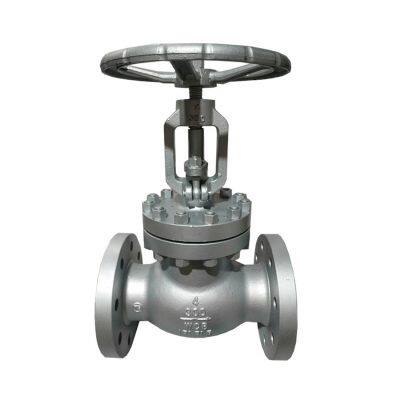
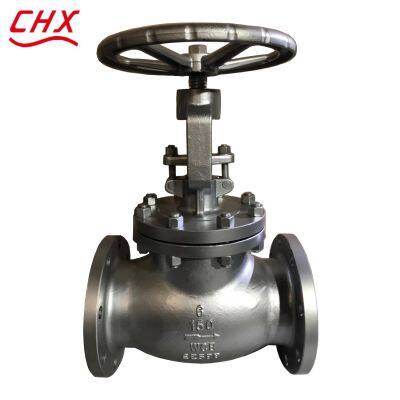
API 598 Certified Cast Steel Globe Valve for Oil/Gas Pipelines, Size 1/2" to 12" 300LB RatingNegotiableMOQ: 1 Piece
-
Industrial Globe Valve Shutoff Valves for ASME B16.5 Flanges Pressure Rated 150LB-300LBNegotiableMOQ: 1 Piece
-
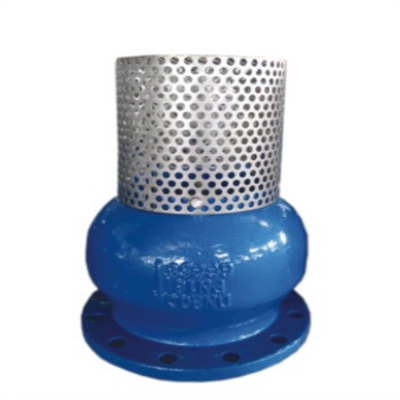
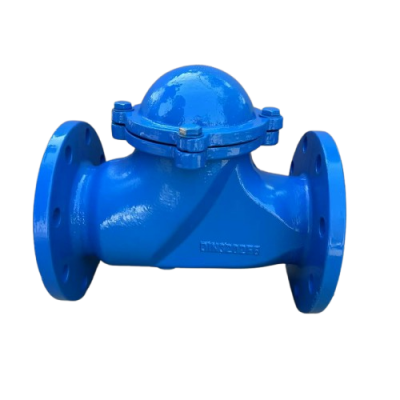
API 6D Certified Globe Valve With ASTM A216 WCB Body and Corrosion-Resistant Stem OptionsNegotiableMOQ: 1 Piece
-
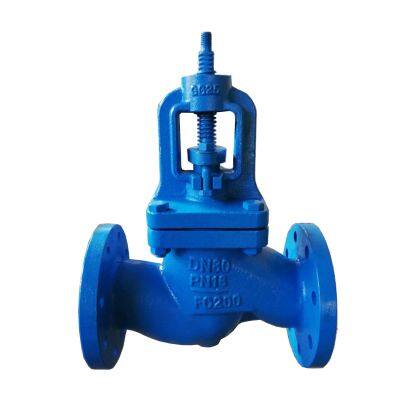
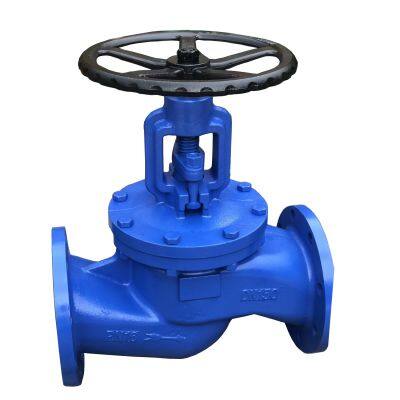
Reliable DIN Cast Iron Globe Valve With Brass Seat, PN16 Pressure Rating, DN50-250NegotiableMOQ: 1 Piece
-
DIN Standard Compliant Globe Valve for Flange Systems, Size Range DN50 to DN250NegotiableMOQ: 1 Piece
-
Durable Cast Iron ANSI Grooved Butterfly Valve, Manual/Worm/Electric Operation, NBR/EPDM Seat OptionsNegotiableMOQ: 1 Piece
-
ANSI Grooved End Butterfly Valve, AWWA C606 Flange Standard, Ideal for Water Treatment ApplicationsNegotiableMOQ: 1 Piece
-
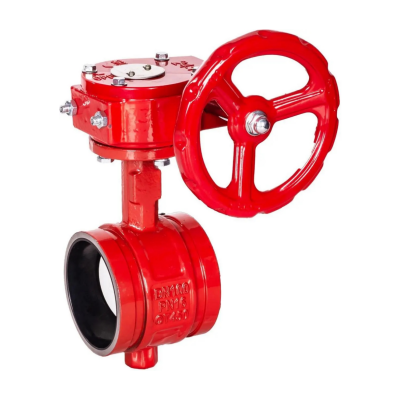
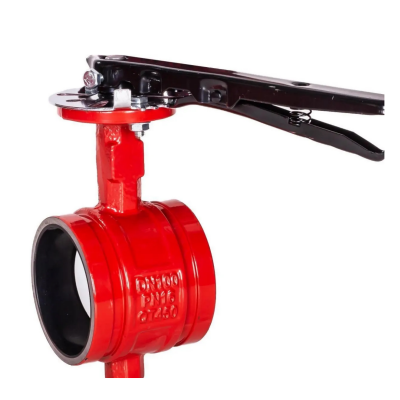
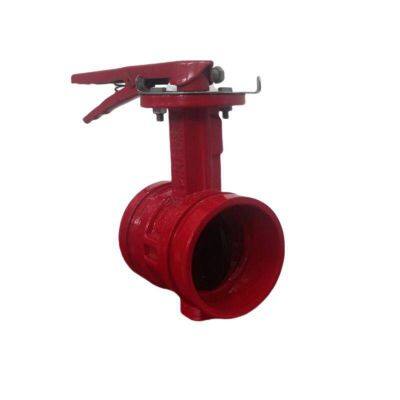
Manual Grooved End Cast Iron Butterfly Valve for Water Fire FightingNegotiableMOQ: 1 Piece
-
AWWA Butterfly Valve Grooved End Butterfly Valve for Industrial Use ANSI Full Lift Safety FlangNegotiableMOQ: 1 Piece
-
Multi-Drive BS 5155 Flange Butterfly Valve for General Industry Applications, DN50 to DN800 RangeNegotiableMOQ: 1 Piece
-
BS 5155 Butterfly Valve Meeting BS4504/EN1092-2 and API 598 StandardsNegotiableMOQ: 1 Piece
-
ANSI B16.1 Compatible Strainer Featuring Ductile Iron Body and Cast Iron Bonnet, Size 1/2"-24"NegotiableMOQ: 1 Piece
-
Industrial-Grade Cast Iron Strainer With SS304 Screen for Pipeline Filtration SystemsNegotiableMOQ: 1 Piece